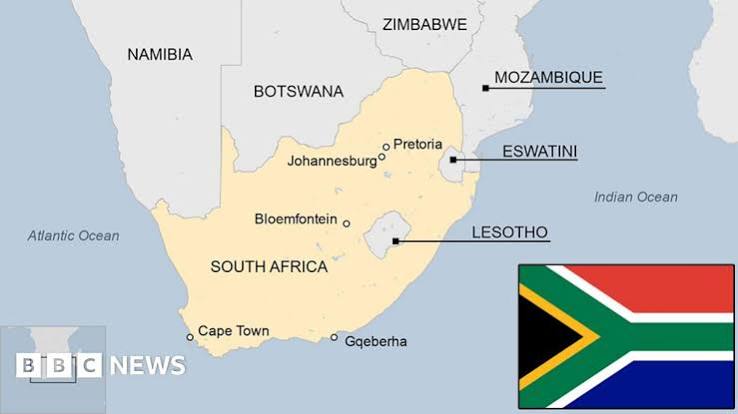
South Africa to Charge Nigeria, Others for Deportation Expenses
The South African government has announced plans to begin charging Nigeria and other foreign governments for the costs incurred in detaining and deporting their citizens who violate the country’s immigration laws.
The move is part of a broader strategy aimed at strengthening immigration enforcement, tightening border controls, and reducing the financial burden associated with managing undocumented migrants.
In a statement, South Africa’s Department of International Relations and Cooperation said the government would seek reimbursement from countries whose nationals are found to be living illegally in South Africa or are being held in detention facilities pending deportation after involvement in criminal activities.
According to the department, the country’s immigration system has come under increasing strain following the deportation of more than 100,000 undocumented migrants over the past two years.
Officials said the growing number of deportations has placed significant pressure on public resources, prompting the government to explore ways of recovering associated costs.
Under the proposed policy, foreign governments will be billed for expenses related to the detention, processing, and eventual repatriation of their citizens who are deported from South Africa.
The announcement comes as South African authorities continue large-scale immigration enforcement operations involving nationals from several African countries, including Nigeria and Ghana.
On Wednesday, 258 Nigerians arrived in Lagos following a Federal Government-coordinated repatriation exercise from South Africa.
Similarly, Ghanaian authorities recently facilitated the return of about 1,000 of their citizens amid ongoing efforts to address migration-related concerns.
South African authorities have defended the deportation exercises, describing them as lawful measures intended to uphold national sovereignty and enforce immigration regulations.
The government also stressed that deportations can only be carried out by duly authorized officials in accordance with the law.
The latest development is expected to spark discussions among African governments over migration management, diplomatic responsibilities, and the growing costs associated with irregular migration across the continent.
 politics
 Adebayo Challenges Tinubu: Where Is Subsidy Money? Come Out and Account for It
 politics
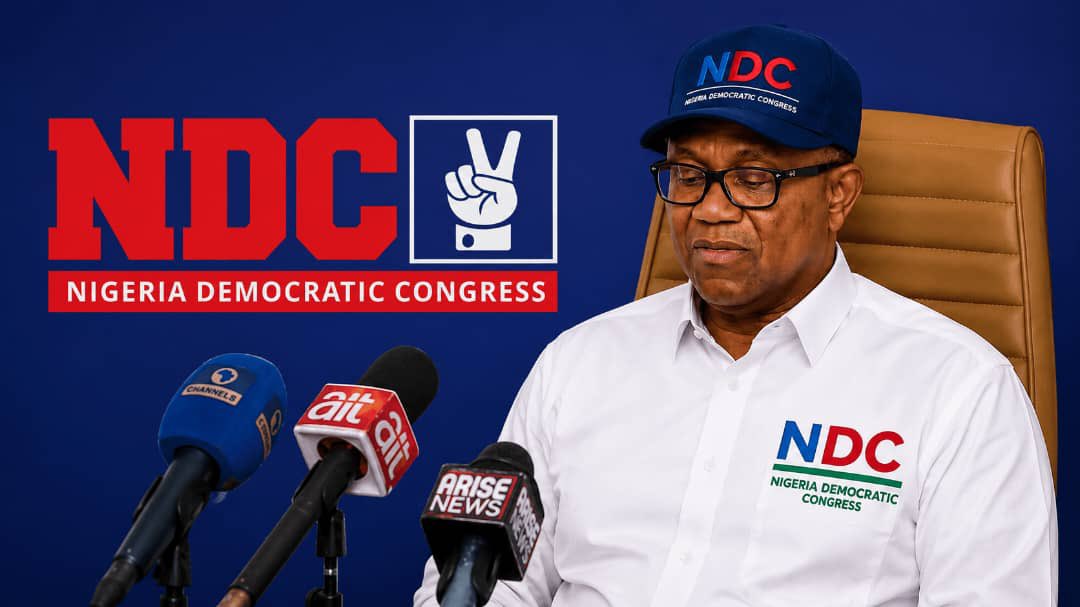
 NDC Wins Logo Battle as Abuja Court Orders INEC to Use Modified Design
 news
news Atiku Exposes Tinubu’s FAAC Scam: Bigger Naira, Poorer Nigerians
 news
news Police Arrest Hafsat Abubakar Over Fake Fintech Shutdown Document Circulated Online
 politics
 Sowore Declares Peter Obi Yelwata Blockade Government-Sponsored Political Attack
How do you feel about this news?
Community Additions
Have a news tip, correction, or extra context about this story? Post it below instantly. All submissions appear live on this screen immediately.