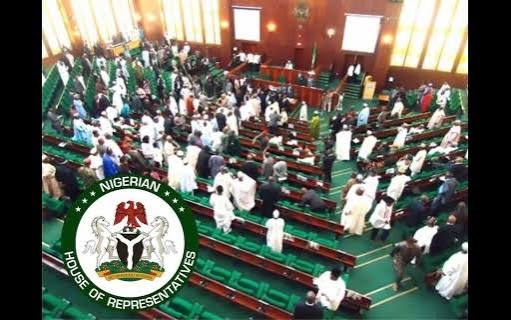
House of Reps Dissolves All Ad Hoc Committees After Missed Deadlines and Expired Extensions
Abuja, September 5, 2026 — The House of Representatives has dissolved all its ad hoc committees with immediate effect, citing their failure to conclude assignments and submit reports within the time limits set by the chamber’s Standing Orders.
The directive, contained in a circular signed by the Clerk of the House, Sidi Ibrahim, and issued on the authority of Speaker Abbas Tajudeen, took effect from Friday, August 28, 2026. Activities being carried out in the name of the dissolved committees are to cease forthwith.
Why the Committees Were Scrapped
Ad hoc committees are temporary bodies set up for specific tasks and are expected to report back within defined timelines.
According to the circular, the House leadership had earlier directed the panels to wrap up their work and file reports in line with established rules and practices.
Only two of the committees applied for and received two-week extensions under Order Eighteen, Rule 5 of the Standing Orders. Those extensions have also elapsed.
The Clerk cited Order Eighteen, Rule 11, Paragraph 5, which limits the lifespan of such committees. Having exceeded the allotted time, their continued existence was “no longer tenable.”
Chairmen of the affected committees have been instructed to forward all outstanding reports, working documents, records, and other materials to the Office of the Clerk for safekeeping.
High-Profile Probes Affected
Among the panels dissolved is the ad hoc committee investigating controversies surrounding the inclusion of the Presidential Foreign Intervention Promotion Council (PFIPC) in the 2026 Appropriation Act, chaired by Hon. Yusuf Gagdi.
Other notable committees that have now been wound up include those probing:
- Performance and benefits from concessionaire-operated ports (2006–2025)
- Security intervention funds disbursed under former President Muhammadu Buhari and President Bola Tinubu from 2020 to date
- Power sector reforms and expenditure from 2007 to 2024
- Pre-shipment inspection of exports and non-remittance of crude oil proceeds
- Federal Government abandoned landed properties and buildings.
- Rising insecurity and loss of lives in Abuja despite a $460 million Chinese-funded CCTV project
- Alleged mismanagement of oil spill clean-up funds in the Niger Delta
- Increase in drug trafficking, alcohol abuse, and related offenses
What Happens Next
The dissolution underscores the House’s insistence on time-bound legislative oversight. Ad hoc committees are designed to be temporary; once their mandate windows close without formal reports, the leadership has the authority to terminate them.
Lawmakers and observers will be watching whether key investigations—particularly those touching sensitive areas such as security funding, the power sector, and the controversial PFIPC—are reassigned to standing committees or reconstituted under new leadership with stricter timelines.
For now, the message from the House is clear: temporary panels that overstay their welcome will not be allowed to continue operating indefinitely.
 politics
 Adebayo Challenges Tinubu: Where Is Subsidy Money? Come Out and Account for It
 politics
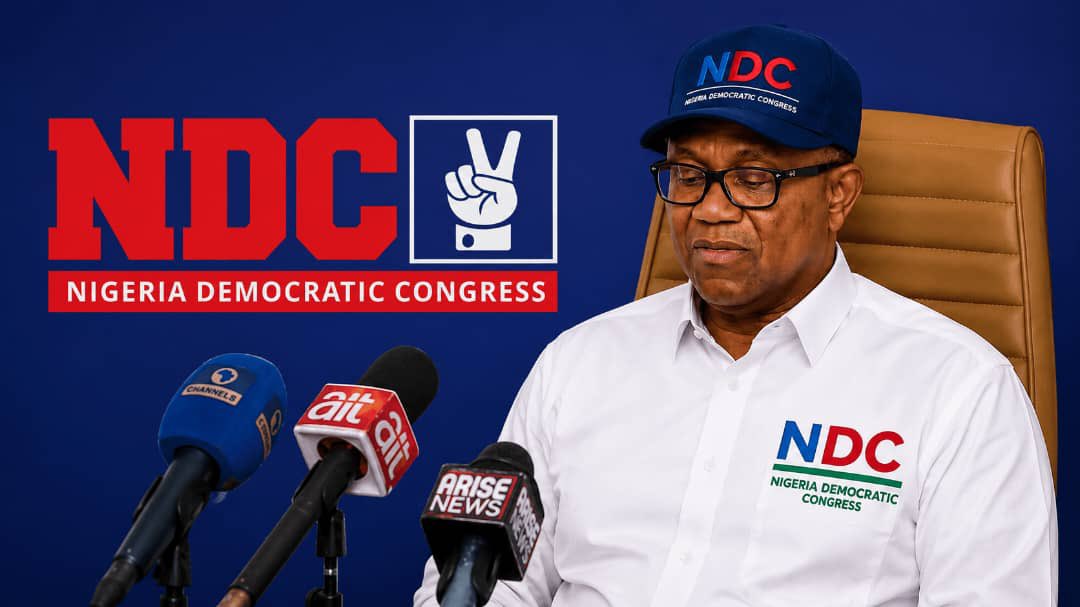
 NDC Wins Logo Battle as Abuja Court Orders INEC to Use Modified Design
 news
news Atiku Exposes Tinubu’s FAAC Scam: Bigger Naira, Poorer Nigerians
 news
news Police Arrest Hafsat Abubakar Over Fake Fintech Shutdown Document Circulated Online
 politics
 Sowore Declares Peter Obi Yelwata Blockade Government-Sponsored Political Attack
How do you feel about this news?
Community Additions
Have a news tip, correction, or extra context about this story? Post it below instantly. All submissions appear live on this screen immediately.