Iran Threatens Neighbors Over US Economic Pressure as Diplomat Weighs Escalation Risks
Washington / Tehran – August 23, 2026 — Iran has issued a sharp warning to its neighbors against joining a new wave of United States economic pressure, declaring that any country that participates will be treated as an enemy and could see its interests targeted, including vital oil export routes through the Persian Gulf.
The threat came from Mohsen Rezaei, secretary of Iran’s Supreme National Security Council, who spoke on state television Saturday.
“We tell all neighboring countries not to participate in the economic war with the US; otherwise, we will consider them an enemy,” Rezaei said.
He added that if regional states cooperate with Washington, “not a single drop of oil will leave the Persian Gulf or the Strait of Hormuz,” and that Iran could also strike alternative export routes.
Rezaei’s remarks respond directly to President Donald Trump’s recent announcement of what he described as the “most crushing economic operation” ever directed at Iran, coupled with warnings of “tremendous economic consequences” for any country offering Tehran a lifeline.
US Treasury Secretary Scott Bessent has echoed the hard line, saying the campaign aims to “collapse” the Iranian government and urging allies to choose sides, with further details expected early this week.
Expert Analysis on Al Jazeera
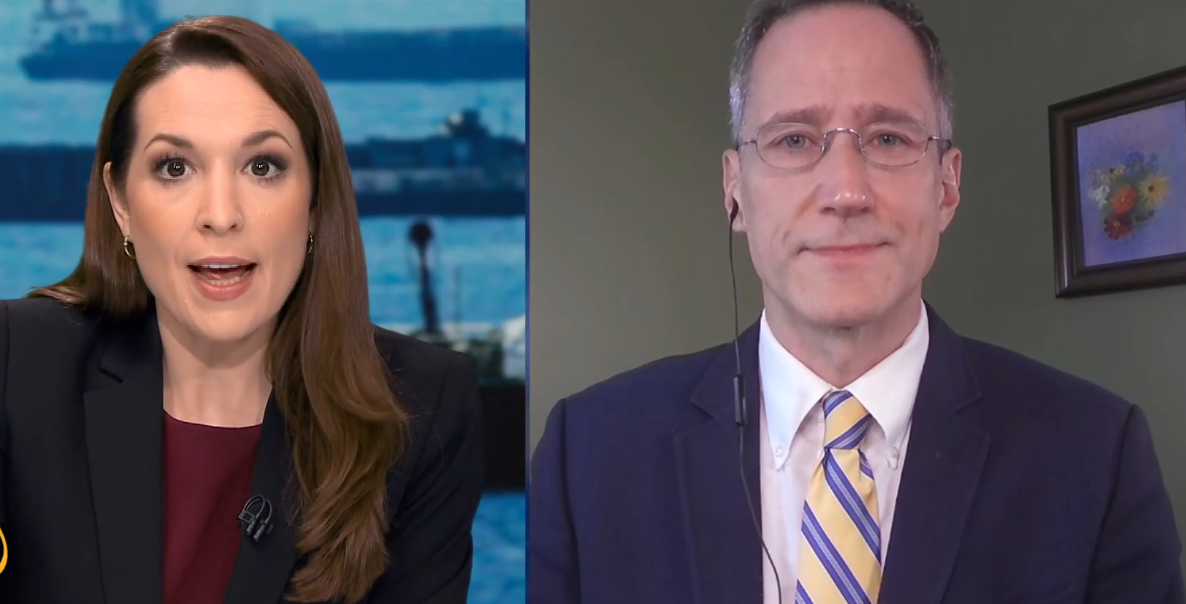
Against this backdrop, Joey Hood, former US ambassador to Tunisia and former acting director of the State Department’s Office of Iranian Affairs, joined Al Jazeera from Washington to assess the latest escalation.
Hood, a veteran Middle East diplomat, discussed the implications of Iran’s threat to target countries assisting US economic pressure and the broader risks of intensified sanctions amid the ongoing regional conflict.
The exchange comes nearly six months into a conflict that began with joint US-Israeli strikes on Iran.
Oil traffic through the Strait of Hormuz has already been heavily disrupted, and both sides continue to issue strong rhetoric even as large-scale kinetic exchanges have paused.
Broader Stakes for the Region and Global Energy
Iran’s warning is widely seen as an attempt to deter Gulf states and other trading partners from tightening the economic noose further.
China remains Iran’s largest oil customer, and secondary sanctions that target third-party trade could ripple across global energy markets.
Rezaei insisted Iran is “not seeking to expand the war” but left little doubt that Tehran views economic isolation as a form of aggression requiring a robust response.
Analysts note that Iran has long lived under heavy sanctions. The current US push, however, is being framed as unprecedented in scale.
Whether the threats succeed in keeping regional partners on the sidelines—or instead deepen the standoff—will become clearer once the full details of the new US measures are unveiled.
For now, the message from Tehran is unambiguous: cooperation with Washington’s economic campaign carries the risk of being labeled an enemy and facing direct consequences for national interests and energy infrastructure.
 politics
 Adebayo Challenges Tinubu: Where Is Subsidy Money? Come Out and Account for It
 politics
 NDC Wins Logo Battle as Abuja Court Orders INEC to Use Modified Design
 news
news Atiku Exposes Tinubu’s FAAC Scam: Bigger Naira, Poorer Nigerians
 news
news Police Arrest Hafsat Abubakar Over Fake Fintech Shutdown Document Circulated Online
 politics
 Sowore Declares Peter Obi Yelwata Blockade Government-Sponsored Political Attack
How do you feel about this news?
Community Additions
Have a news tip, correction, or extra context about this story? Post it below instantly. All submissions appear live on this screen immediately.