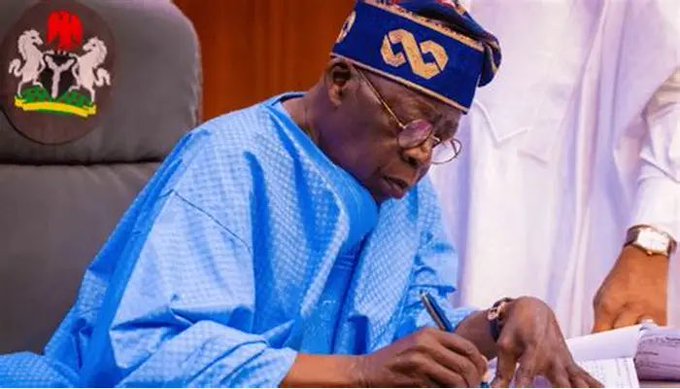
Critics Slam Tinubu Housing Scheme as Unaffordable for Average Nigerians Amid N90m Claims
Abuja / Abeokuta, August 19, 2026 — A civil society watchdog has reignited debate over Nigeria’s housing policy, accusing President Bola Tinubu’s administration of rolling out developments that remain far beyond the reach of ordinary citizens.
In a video released Wednesday, GST Hub declared that “Tinubu’s housing project is not for the people,” pointing to multi-storey housing complexes—some still incomplete—and claiming that certain units linked to the Renewed Hope programme or related estates cost as much as ₦90 million.
The group framed the situation as another “anti-people” policy of the ruling All Progressives Congress (APC).
The criticism landed just one day after First Lady Oluremi Tinubu commissioned the 108-unit Muhammadu Buhari Estate in Abeokuta, Ogun State.
The project, developed through a public-private partnership, features four-bedroom detached and semi-detached duplexes complete with roads, electricity, water supply, recreational facilities and security.
Ogun State officials presented it as a step toward closing the state’s housing gap.
Official Prices Tell a Different Story for Standard Estates
Federal authorities, however, draw a clear distinction between different categories of projects under the broader Renewed Hope umbrella.
For the budget-funded Renewed Hope Housing Estates, the Federal Ministry of Housing and Urban Development has set uniform nationwide prices:
- One-bedroom semi-detached bungalow: ₦8.5 million
- Two-bedroom semi-detached bungalow: ₦11.5 million
- Three-bedroom semi-detached bungalow: ₦12.5 million
Priority is given to low- and middle-income earners, civil servants, private-sector workers with verifiable income, and Nigerians in the diaspora.
Buyers can choose outright purchase, mortgage financing (including National Housing Fund loans at preferential rates), rent-to-own schemes or instalment plans.
Larger “Renewed Hope Cities” developed through public-private partnerships, as well as some state-level projects, carry higher price tags that reflect land costs, private financing, and enhanced amenities. These can range significantly higher depending on location and specifications.
A Persistent National Challenge
Nigeria continues to face a severe housing deficit estimated in the region of 15 million units. Rapid urbanization, high construction costs and limited access to affordable long-term finance have left millions of families struggling to secure decent shelter.
Successive governments have launched mass housing programmes with mixed results; the current administration’s Renewed Hope initiative aims to deliver tens of thousands of units nationwide through a mix of direct government funding and partnerships with private developers.
GST Hub argues that high-end or incomplete projects do little to ease the burden on low-income households. Government officials counter that the combination of subsidized estates, flexible payment options, and ongoing construction across multiple states demonstrates a genuine push for accessibility.
As the debate unfolds, the real test will be how many ordinary Nigerians—teachers, civil servants, traders and young professionals—actually move into completed, affordable homes under the Renewed Hope banner in the months and years ahead.
 politics
 Adebayo Challenges Tinubu: Where Is Subsidy Money? Come Out and Account for It
 politics
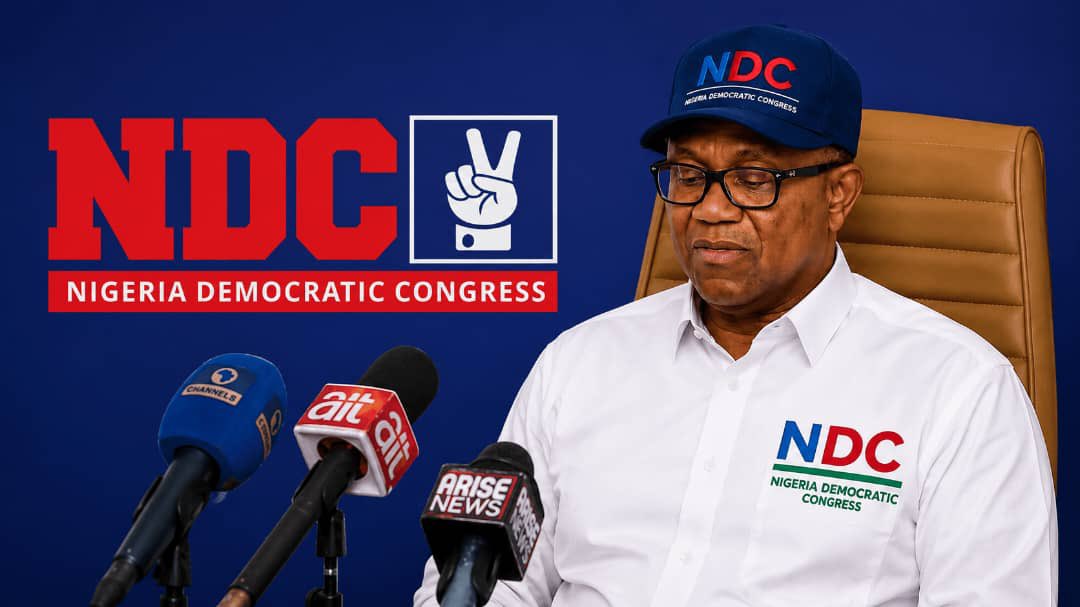
 NDC Wins Logo Battle as Abuja Court Orders INEC to Use Modified Design
 news
news Atiku Exposes Tinubu’s FAAC Scam: Bigger Naira, Poorer Nigerians
 news
news Police Arrest Hafsat Abubakar Over Fake Fintech Shutdown Document Circulated Online
 politics
 Sowore Declares Peter Obi Yelwata Blockade Government-Sponsored Political Attack
How do you feel about this news?
Community Additions
Have a news tip, correction, or extra context about this story? Post it below instantly. All submissions appear live on this screen immediately.