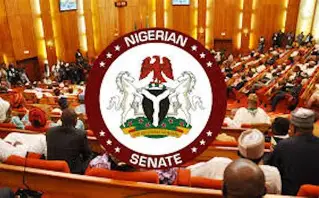
Peter Obi Blasts Akpabio Assembly Over Forgery Decriminalization to Shield Tinubu
Bauchi, Nigeria – August 12, 2026— Peter Obi, former Anambra State governor and presidential candidate of the Nigeria Democratic Congress (NDC) for 2027, has strongly criticized the Godswill Akpabio-led National Assembly for removing forgery as an electoral offence, describing the move as a deliberate weakening of democratic standards.
Speaking on Tuesday at the 2026 Goodluck Jonathan Foundation Democracy Dialogue in Bauchi State, Obi linked the legislative change to controversies surrounding President Bola Tinubu’s academic credentials, referring to the president as the “Forger-in-Chief.”
He argued that the amendment risks creating room for individuals with questionable credentials to seek or retain public office.
“Lawmakers have removed forgery as an offence in electoral matters, and Senior Advocates of Nigeria are defending forgery,” Obi declared.
He further accused religious leaders of praying for criminal politicians and claimed some judges had become politically aligned, singing “on your mandate we stand.”
Obi contrasted the current climate with his own experience after the 2003 Anambra governorship election, when judges he had never met ruled in his favour at the Court of Appeal. He said such impartiality is now almost impossible in Nigeria’s judiciary.
The former governor warned that normalizing the abandonment of basic verification standards could have far-reaching consequences.
“If we normalize the abandonment of basic verification today, tomorrow we may have professors who never attended a university, doctors who never studied medicine, and judges who never studied law,” he has previously argued in related comments.
He insisted that truth and accountability must not become matters of political convenience and called on institutions meant to protect democracy to resist practices that undermine public confidence in elections and governance.
The controversy stems from provisions in the Electoral Act 2026. Critics, including Obi and groups such as Afenifere, say the law removed certificate forgery as a ground for challenging election results at tribunals, limiting petitions mainly to issues of corrupt practices, non-compliance, or lack of majority votes.
Certificate-related questions are now treated largely as pre-election matters.
While forgery remains a criminal offence under Nigeria’s Criminal Code and Penal Code, opponents argue the procedural shift reduces the practical ability to hold candidates accountable after elections, especially when combined with constitutional immunity for certain office holders.
Obi urged Nigerians to examine the direction of the country. “It is time for every Nigerian to sit down and ask ourselves – ‘where is Nigeria going?’” he said, describing the situation as a broader institutional crisis that must be reversed if the nation’s democratic future is to be protected.
As the 2027 general elections approach, Obi’s remarks have reignited debate over electoral integrity, credential verification, and the role of the National Assembly in safeguarding the standards of public office.
 politics
 Adebayo Challenges Tinubu: Where Is Subsidy Money? Come Out and Account for It
 politics
 NDC Wins Logo Battle as Abuja Court Orders INEC to Use Modified Design
 news
news Atiku Exposes Tinubu’s FAAC Scam: Bigger Naira, Poorer Nigerians
 news
news Police Arrest Hafsat Abubakar Over Fake Fintech Shutdown Document Circulated Online
 politics
 Sowore Declares Peter Obi Yelwata Blockade Government-Sponsored Political Attack
How do you feel about this news?
Community Additions
Have a news tip, correction, or extra context about this story? Post it below instantly. All submissions appear live on this screen immediately.