When True Anti-Corruption Begins, EFCC Itself Must Face Intense Investigation First — Activist Peter Akah
In a sharp and unapologetic intervention that has reignited debate about the integrity of Nigeria’s foremost anti-corruption body, political activist and social commentator Peter Akah has insisted that any serious national campaign against graft must start with a thorough, independent probe of the Economic and Financial Crimes Commission (EFCC) itself.
Posting on X on Friday, Akah declared: “When Nigeria actually begins to fight Corruption the first agency to be under intense Investigation is the EFCC… A Cesspool of CORRUPTION.”
His words, delivered with characteristic directness, have circulated widely among citizens frustrated by what they see as selective enforcement and institutional opacity.
Akah, also known as Peter for Nigeria, has long positioned himself as a relentless critic of successive administrations and the institutions meant to hold them accountable.
His latest broadside arrives against the backdrop of the EFCC’s recent move to freeze certain accounts linked to the Osun State Government.
The commission cited an ongoing investigation into the alleged diversion of approximately ₦11 billion in Ecology Funds, Intervention Funds, and Federation Account Allocation Committee (FAAC) disbursements.
Critics, including Akah, have questioned both the timing and the optics of the action, noting that it coincides with the run-up to the Osun governorship election.
They argue that such interventions risk being perceived as politically motivated rather than purely driven by evidence of financial misconduct.
The EFCC has maintained that its work is guided by petitions and forensic findings, not partisan considerations.
This is not Akah’s first direct encounter with the agency. In July, he and fellow activist Precious Oruche (popularly known as Mama Pee) were invited for questioning over allegations of naira abuse.
The invitations followed circulating videos in which cash appeared to be sprayed.
Both maintained that the notes shown were props used for entertainment purposes and not genuine currency.
After lengthy sessions at the EFCC headquarters in Abuja — described by their lawyer, Inibehe Effiong, as professional — they were released and later returned for further clarification. The activists emerged defiant, insisting they would not be silenced.
Akah’s call for the EFCC to be investigated reflects a deeper, long-standing public anxiety: that the very institutions charged with fighting corruption sometimes operate with insufficient transparency, internal accountability, or consistency.
Over the years, the commission has secured high-profile convictions and recovered substantial public funds.
Yet it has also faced repeated accusations of selective prosecution, procedural overreach, and vulnerability to political influence.
By placing the EFCC first on the list of institutions that should face intense scrutiny, Akah is essentially arguing that credibility is the foundation of any effective anti-corruption drive.
An agency that cannot demonstrably clean its own house, the logic goes, will struggle to command the moral authority required to police others.
The activist’s intervention comes at a moment when trust in public institutions remains fragile.
Many Nigerians continue to express the view that anti-graft efforts appear more vigorous when directed at opposition figures or state governments controlled by rival parties, while certain powerful interests seem insulated.
Whether or not one accepts Akah’s characterization of the EFCC as a “cesspool,” his demand for reciprocal accountability resonates with a broader desire for institutions that apply the same standards to themselves that they apply to everyone else.
As the conversation unfolds, the question Akah has forced into the open is straightforward yet profound: Can Nigeria claim to be fighting corruption in earnest if the primary agency tasked with that fight is itself shielded from rigorous, independent examination?
For a growing number of citizens, the answer will determine whether future anti-corruption campaigns are viewed as genuine reform or merely another instrument of political control.
 politics
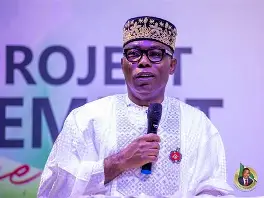
 Adebayo Challenges Tinubu: Where Is Subsidy Money? Come Out and Account for It
 politics
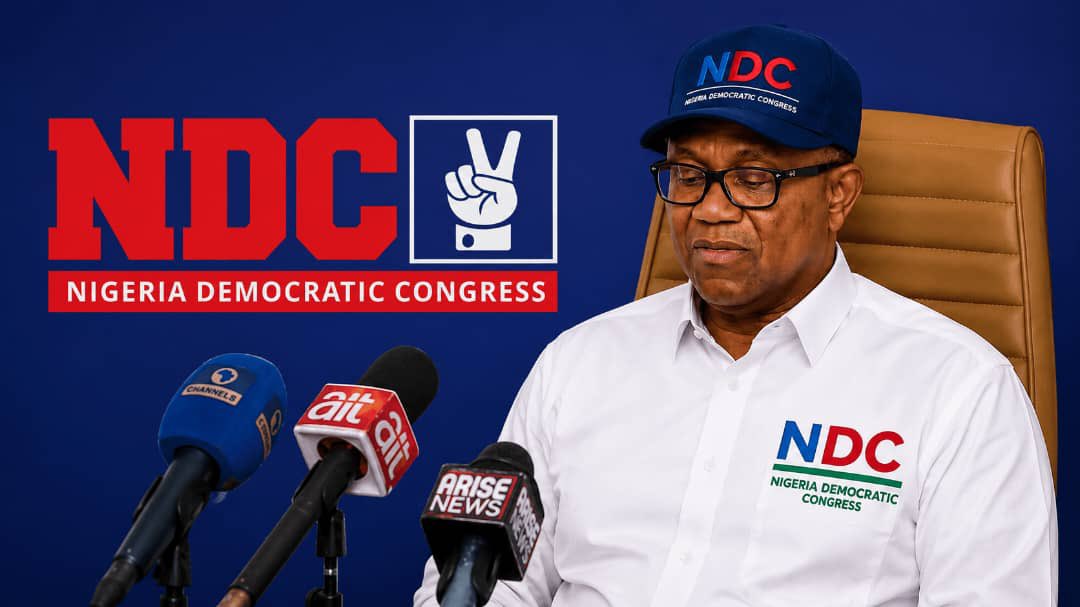
 NDC Wins Logo Battle as Abuja Court Orders INEC to Use Modified Design
 news
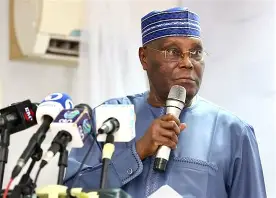
news Atiku Exposes Tinubu’s FAAC Scam: Bigger Naira, Poorer Nigerians
 news
news Police Arrest Hafsat Abubakar Over Fake Fintech Shutdown Document Circulated Online
 politics
 Sowore Declares Peter Obi Yelwata Blockade Government-Sponsored Political Attack
How do you feel about this news?
Community Additions
Have a news tip, correction, or extra context about this story? Post it below instantly. All submissions appear live on this screen immediately.