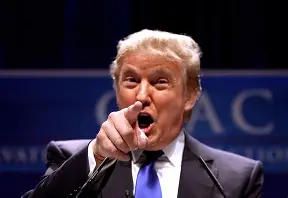
Trump's Stark Warning to Iran: One Ship Attack, One Iranian Bridge or Power Plant Destroyed
Washington | July 22, 2026 - In a bold escalation of rhetoric amid ongoing U.S.-Iran hostilities, President Donald J. Trump has issued a direct and uncompromising warning to the Islamic Republic: any attack on shipping in the critical Strait of Hormuz will trigger immediate American retaliation against Iranian infrastructure.
“From this point forward, any time the Islamic Republic of Iran shoots at a ship in the Strait of Hormuz, whether it be by Missile, Rocket, Drone, or any other device or weapon, the United States will bomb and destroy ONE BRIDGE OR POWER PLANT, including those located next to, or in, the Capital City of Tehran,” Trump posted, a message amplified by the official White House X account.
The statement comes as the U.S. has conducted strikes on Iran for the 11th consecutive night, part of a broader military campaign that has intensified in recent weeks.
It reflects the administration’s determination to safeguard one of the world’s most vital energy chokepoints, through which roughly one-fifth of global oil supplies pass.
The Strait of Hormuz has been a flashpoint in the conflict. Recent incidents include Iranian strikes on vessels, such as a drone attack on a cargo ship that disrupted efforts to restore safe passage and prompted pauses in international maritime evacuations.
Iran has asserted control over certain routes, while the U.S. and allies emphasize freedom of navigation.
Trump’s latest threat builds on prior warnings, including potential strikes on sensitive sites like Pickaxe Mountain, suspected of nuclear-related activity.
U.S. officials have framed these actions as necessary to prevent Iran from developing nuclear weapons and destabilizing the region. Iran, in turn, has vowed “eye for an eye” responses and threatened broader disruptions to oil flows if civilian infrastructure is hit.
Military analysts note that targeting bridges and power plants raises serious questions under international law, as attacks on civilian infrastructure can constitute war crimes if not strictly tied to military necessity.
The administration maintains such measures are proportionate responses to threats against commercial shipping and U.S. interests.
For global markets, the implications are immediate: any sustained disruption in the Strait could spike oil prices and rattle energy security.
Gulf allies, including Bahrain and Saudi Arabia, have faced spillover effects from Iranian actions, heightening regional anxieties.
Trump addressed the issue while en route to receive the bodies of fallen U.S. service members, underscoring the human cost of the conflict.
Polls cited by the President suggest domestic support for strong action against Iran’s nuclear ambitions, despite concerns over rising fuel costs.
This hardline posture aligns with the Trump administration’s “peace through strength” doctrine. Recent White House actions include trade deals, domestic policy wins like tax cuts, and efforts to bolster alliances.
On Iran, the focus remains on dismantling threats while leaving room for diplomacy—though officials stress Tehran must cease provocations.
As the situation evolves, diplomats and military leaders are closely monitoring responses from Tehran.
The coming days could prove pivotal in determining whether the conflict de-escalates or spirals further, with the Strait of Hormuz serving as both a literal and symbolic battleground for influence in the Middle East.
President Trump’s message was clear: America will not tolerate disruptions to global commerce or threats to its allies. The world watches as another chapter in this high-stakes confrontation unfolds.
 politics
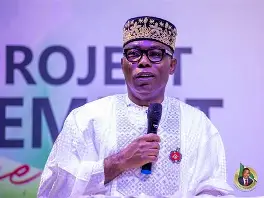
 Adebayo Challenges Tinubu: Where Is Subsidy Money? Come Out and Account for It
 politics
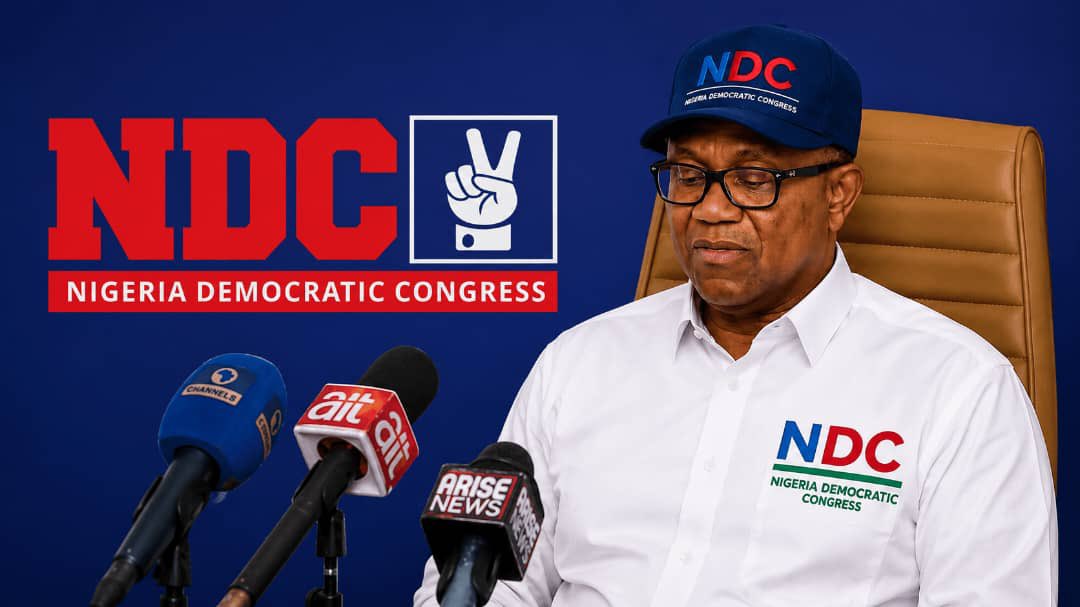
 NDC Wins Logo Battle as Abuja Court Orders INEC to Use Modified Design
 news
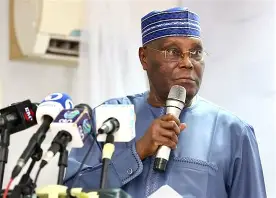
news Atiku Exposes Tinubu’s FAAC Scam: Bigger Naira, Poorer Nigerians
 news
news Police Arrest Hafsat Abubakar Over Fake Fintech Shutdown Document Circulated Online
 politics
 Sowore Declares Peter Obi Yelwata Blockade Government-Sponsored Political Attack
How do you feel about this news?
Community Additions
Have a news tip, correction, or extra context about this story? Post it below instantly. All submissions appear live on this screen immediately.