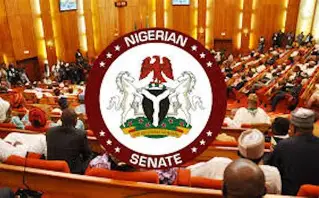
National Assembly Rejects Lawyer’s Fee Demand in Natasha Senate Suit
Abuja, Nigeria – July 23, 2026— In a sharp administrative rebuke, the National Assembly has firmly rejected a demand for professional legal fees from the law firm Ojukwu Chikaosolu & Co., insisting the firm was never formally engaged by the Office of the Clerk to represent the legislature in a contentious suit involving suspended Kogi Central Senator, Natasha Akpoti-Uduaghan.
The dispute, detailed in a pre-action response dated July 20, 2026, from the Directorate of Legal Services, highlights ongoing tensions over authorization, accountability, and financial responsibility within Nigeria’s apex legislative body.
According to the communication obtained by THISDAY, the Clerk’s Office emphasized that it neither engaged nor authorized the firm to act on behalf of the National Assembly.
Instead, the firm was reportedly instructed directly by the Office of the President of the Senate.
The legislature maintains that the Office of the Clerk serves as the recognized administrative channel for engaging external solicitors.
This distinction has become central to the refusal to settle the claimed professional fees related to Suit No. FHC/ABJ/CS/384/2025.
The case, which pitted Senator Akpoti-Uduaghan against the Clerk, the Senate, Senate President Godswill Akpabio, and others, stems from her dramatic suspension in early 2025 following a heated plenary confrontation over seating arrangements and alleged misconduct.
The legal battle has traversed multiple courts, generating significant public and political interest.
Senator Akpoti-Uduaghan’s suspension for six months in March 2025 followed a Senate Ethics Committee recommendation. She challenged it in court, arguing violations of fair hearing and Senate rules.
While lower courts issued mixed rulings—including declarations that the suspension was unconstitutional in some aspects—appeals affirmed the Senate’s disciplinary powers, though with nuances on duration and procedure.
The involvement of Ojukwu Chikaosolu & Co. in representing Senate interests has now triggered this latest administrative fallout, raising questions about internal coordination and fiscal prudence in handling high-stakes litigation.
Legal experts note that such disputes underscore broader challenges in Nigeria’s legislative-executive-judicial dynamics, particularly around privileges, accountability, and the use of public resources in political battles.
Public commentary on the development has been swift, with some observers viewing it as “buck-passing” to avoid payment, while others see it as a necessary assertion of proper administrative protocol.
The law firm, led by constitutional lawyer Chikaosolu Ojukwu, has a reputation for high-profile cases, but details of its response to the rejection remain undisclosed as of this report.
This episode comes amid ongoing scrutiny of National Assembly operations, including past controversies over allowances, procurements, and internal governance.
It serves as a reminder of the delicate balance required in managing institutional representation and taxpayer-funded legal expenditures.
As the dust settles on the Natasha saga, this fee dispute may prompt tighter guidelines on how the National Assembly engages and compensates external counsel in future matters of national importance.
 politics
 Adebayo Challenges Tinubu: Where Is Subsidy Money? Come Out and Account for It
 politics
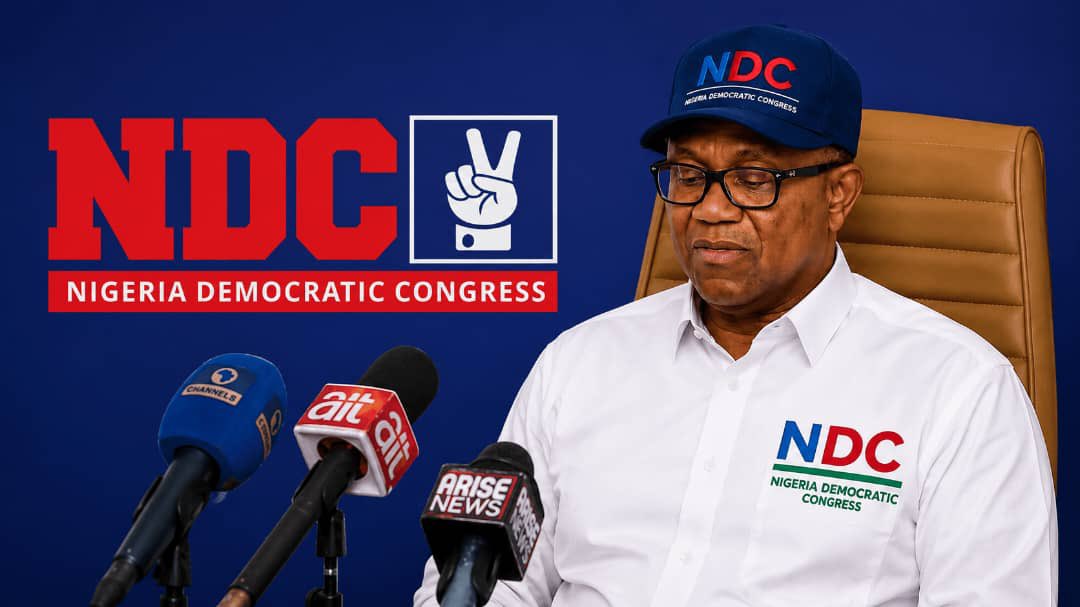
 NDC Wins Logo Battle as Abuja Court Orders INEC to Use Modified Design
 news
news Atiku Exposes Tinubu’s FAAC Scam: Bigger Naira, Poorer Nigerians
 news
news Police Arrest Hafsat Abubakar Over Fake Fintech Shutdown Document Circulated Online
 politics
 Sowore Declares Peter Obi Yelwata Blockade Government-Sponsored Political Attack
How do you feel about this news?
Community Additions
Have a news tip, correction, or extra context about this story? Post it below instantly. All submissions appear live on this screen immediately.