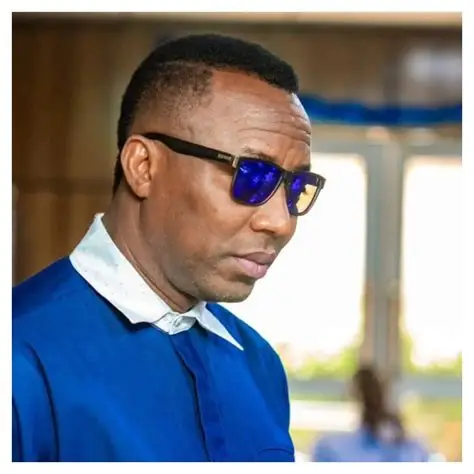
Sowore Declares Peter Obi Yelwata Blockade Government-Sponsored Political Attack
Abuja/Makurdi—September 9, 2026—Human rights activist and African Action Congress (AAC) presidential candidate Omoyele Sowore has described the blockade that prevented Nigeria Democratic Congress (NDC) presidential candidate Peter Obi from entering the Yelwata community in Benue State as a clear case of government-sponsored political intimidation.
Speaking on Arise Television’s Prime Time on Tuesday night, Sowore left little room for doubt. “You need no one to tell you Peter Obi blocked in Yelwata was government-sponsored,” he said.
“It was written all over the crowd, the way they conducted themselves, and the body language of the security agencies hanging around.”
What Happened in Benue
Peter Obi arrived in Makurdi around 9 a.m. on Tuesday with a simple humanitarian goal: to visit families still grieving the June 2025 massacre in Yelwata, Guma Local Government Area, where more than 270 people were killed. He intended to offer condolences, listen to survivors, and show solidarity.
His convoy never made it. Near the Nigerian Air Force Base on the Makurdi-Gboko Road, a group of youths and suspected thugs blocked the road, chanting “Peter Obi, go back.”
Some carried sticks. Stones were reportedly thrown. Security personnel present did not clear the path. Obi and his team eventually turned back to the airport.
Obi’s media team alleged the group was led by an aide to Benue Governor Rev. Fr. Hyacinth Alia and was armed.
Obi himself later called the obstruction “ridiculous and very, very worrisome,” asking whether Nigeria still allowed free movement.
He stressed the visit was not political but a gesture of compassion toward victims of violence.
Sowore’s Strong Condemnation
Sowore, who has long criticized both the Tinubu administration and other political actors, did not hold back. He pointed to the absence of any official police statement clarifying their role as further evidence of complicity.
“The fact that, since the activity took place, we have not heard officially from the police force that they were part of the plan to prevent him from entering Yelwata… it’s a shame,” he said.
He insisted that no Nigerian — candidate or ordinary citizen — should be barred from any part of the country. “Every Nigerian must be equally granted the opportunity to go wherever they want to campaign. Even when they don’t want to campaign, you have the right to go anywhere in Nigeria.”
Conflicting Accounts
The Benue State Government has firmly denied any involvement. Governor Alia’s spokesman, Tersoo Kula, said the administration was not informed of Obi’s visit and accused the former Anambra governor of trying to manufacture controversy.
Police Commissioner Cletus Nwadiogbu confirmed the command was aware of Obi’s planned movement and deployed officers.
He said the reason the youths blocked the road remained under investigation and that officers worked to prevent the situation from escalating.
Obi’s party, the NDC, described the incident as “shameful” and demanded a thorough probe and prosecution of those responsible.
Several civil society voices and opposition figures have also condemned the blockade as a dangerous sign of rising political intolerance ahead of the 2027 elections.
A Larger Question of Freedom
The episode has reignited debate about the shrinking space for opposition politicians to move freely and engage communities, especially in states controlled by the ruling party.
Yelwata itself remains a painful reminder of Nigeria’s unresolved insecurity crisis. Survivors continue to live with the trauma of one of the deadliest attacks in recent years.
After the Benue setback, Obi proceeded to Plateau State, where he visited displaced persons in Mangu and called on the federal government to secure terror-hit communities and return citizens to their homes with dignity.
Sowore’s intervention adds weight to growing concerns that political competition is increasingly being fought with street-level obstruction rather than ideas.
As 2027 approaches, the right of every Nigerian to travel, campaign, and show solidarity without fear of hired crowds will remain a critical test of the country’s democratic health.
 politics
 Adebayo Challenges Tinubu: Where Is Subsidy Money? Come Out and Account for It
 politics
 NDC Wins Logo Battle as Abuja Court Orders INEC to Use Modified Design
 news
news Atiku Exposes Tinubu’s FAAC Scam: Bigger Naira, Poorer Nigerians
 news
news Police Arrest Hafsat Abubakar Over Fake Fintech Shutdown Document Circulated Online
 news
news Ortom Accuses Benue Government of Lawlessness Over Peter Obi Convoy Blockade
How do you feel about this news?
Community Additions
Have a news tip, correction, or extra context about this story? Post it below instantly. All submissions appear live on this screen immediately.