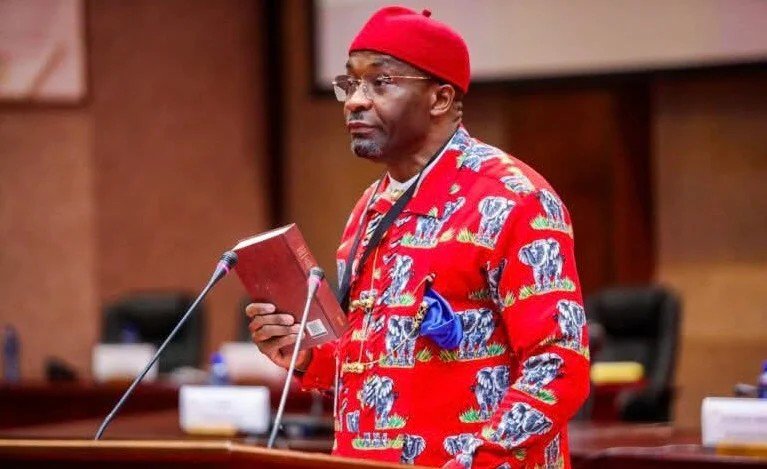
Kalu Fires Back: It's ₦780m — Not ₦1bn — for Church Musical Instruments in Controversial 2026 Budget
In a fresh flashpoint in Nigeria’s perennial budget scrutiny, Deputy Speaker of the House of Representatives, Rt. Hon. Benjamin Okezie Kalu, has come under intense public criticism following reports of a substantial allocation in the 2026 federal budget for musical instruments and public address systems targeted at churches in his Bende Federal Constituency, Abia State.
Kalu’s office moved swiftly to address the backlash on Wednesday, July 22, 2026, clarifying through his Chief Press Secretary, Levinus Nwabughiogu, that the provision is not ₦1 billion as widely reported, but ₦780 million after VAT and other statutory deductions.
The funds, according to the statement, form part of a Youth Re-orientation and Social Support Programme to be implemented through faith-based organisations.
The allocation aims to equip churches with “evangelical instruments” and PA systems to amplify campaigns against drug abuse, sexual offences, violent crimes, and other vices among young people.
It seeks to promote discipline, moral values, peace, and character development in Bende communities, which span 13 electoral wards and over 200 churches.
The first phase targets about 130 churches (roughly 10 per ward), with each receiving support valued at ₦5–6 million.
Kalu’s team framed the initiative as a strategic partnership with religious institutions — seen as influential community anchors — to tackle pressing social challenges where formal institutions may fall short.
The revelation has ignited fierce debate online and across media platforms. Critics question why public funds are prioritised for church musical equipment when pressing needs in education, healthcare, roads, and youth employment remain acute in Abia and nationwide.
Many Nigerians expressed dismay with comments such as “Not a school or hospital but churches?” and accusations of misplaced priorities amid a ballooning national budget deficit.
This controversy emerges against the backdrop of wider scrutiny of the 2026 Appropriation Act, which includes significant religious infrastructure provisions across states (estimated in some analyses at over ₦8 billion for churches and mosques).
It also coincides with ongoing questions about constituency project execution, transparency, and value for money in Nigeria’s budgeting process.
As a veteran journalist who has reported on Nigerian public finance for decades, this episode reflects a familiar tension: lawmakers’ use of constituency projects to address perceived community gaps versus public expectations for direct investment in core infrastructure and human capital development.
Faith-based interventions can yield social impact, but in an era of economic hardship, citizens demand rigorous justification when taxpayer money flows toward religious assets.
Kalu, a key figure in the current National Assembly and APC stalwart from the Southeast, has built a reputation for constituency engagement, including education material distributions and empowerment programmes.
His office maintains that attracting such projects is a core legislative duty, with implementation resting on executive agencies.
Whether this explanation calms the storm or fuels further demands for probes remains to be seen.
In a democracy grappling with poverty, inequality, and governance trust deficits, budget items like this will continue to test the delicate balance between innovative social programming and fiscal prudence.
 politics
 Adebayo Challenges Tinubu: Where Is Subsidy Money? Come Out and Account for It
 politics
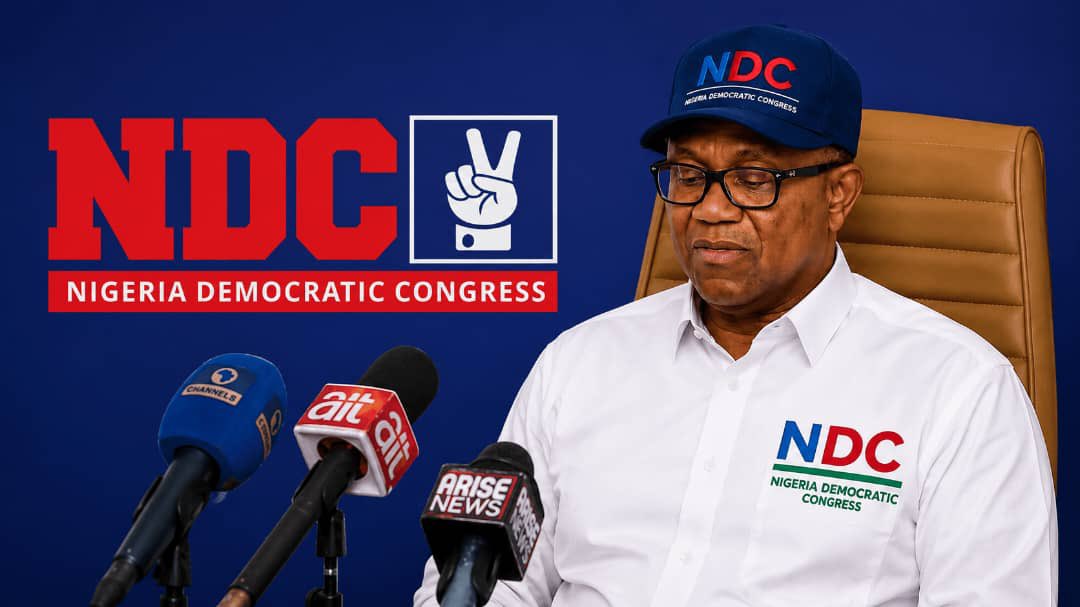
 NDC Wins Logo Battle as Abuja Court Orders INEC to Use Modified Design
 news
news Atiku Exposes Tinubu’s FAAC Scam: Bigger Naira, Poorer Nigerians
 news
news Police Arrest Hafsat Abubakar Over Fake Fintech Shutdown Document Circulated Online
 politics
 Sowore Declares Peter Obi Yelwata Blockade Government-Sponsored Political Attack
How do you feel about this news?
Community Additions
Have a news tip, correction, or extra context about this story? Post it below instantly. All submissions appear live on this screen immediately.