From Polite Handover to Political Optics? Freed Captive Exposes Staged Rescue as Netizens Rip Apart Government’s Heroic Oyo Abduction Story
Ibadan, Oyo State- In the wake of the dramatic release of school pupils and teachers abducted from Oyo State communities in May, fresh testimony from a freed educator has ignited fierce online debate, with many Nigerians alleging the entire incident may have been staged or heavily manipulated for political optics.
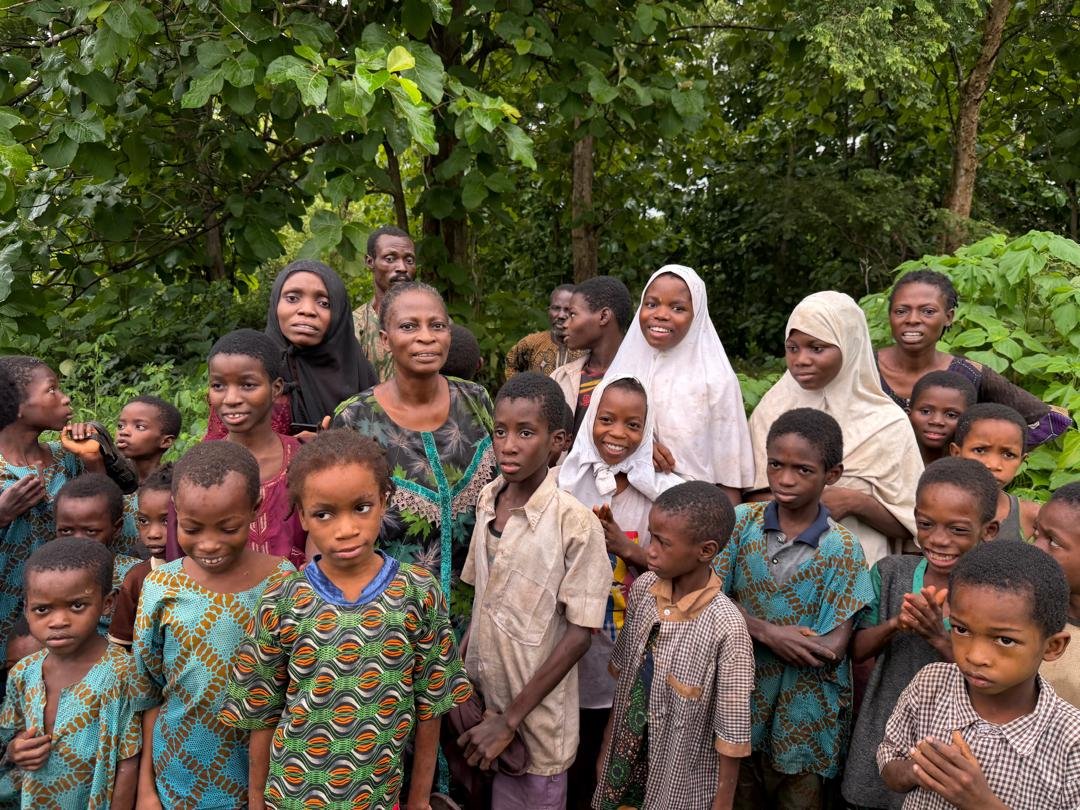
The abduction occurred on May 15, 2026, when armed men stormed multiple schools—including Baptist Nursery and Primary School in Yawota, Community Grammar School, and L.A. Primary School in Ahoro-Esiele, Oriire Local Government Area.
Dozens of pupils (some as young as toddlers) and teachers were taken into the Old Oyo National Park, where they endured 56 days in captivity.
One mathematics teacher, Michael Oyedokun, was reportedly killed and beheaded during the ordeal, according to circulating videos.
Security forces announced a successful rescue around July 10, with President Bola Tinubu’s administration highlighting the operation’s success, including arrests of some perpetrators.
However, a recent video interview with a released teacher has cast doubt on that narrative, fueling skepticism and conspiracy theories across social media.
Teacher’s Account Challenges Official Story
In the widely shared interview, the freed teacher asserted there was no gun battle during their release, no military personnel killed, and that the terrorists simply released the captives and escorted them to a rendezvous point where government representatives were already waiting.
This directly contradicts earlier reports of a heroic confrontation by Nigerian security forces.
Adding to the intrigue, another survivor revealed that during captivity, the abductors occasionally washed the hostages’ clothes after complaints about hygiene and odor — a detail many found oddly civil for hardened terrorists operating in a forest hideout.
Netizens have seized on these inconsistencies. Social media reactions range from vindication (“We have been vindicated!”) to outright accusations of deception.
Some point to the government’s reported rejection of a UN probe requested by Oyo Governor Seyi Makinde, while others highlight unusual elements like children in matching Ankara attire upon release (questioned as potential school uniforms or prepared clothing).
Comments like “When ransom is paid, security stages a rescue for optics” reflect deep public distrust.
Broader Context of Insecurity and Misinformation
This episode unfolds against Nigeria’s persistent kidnapping crisis, particularly affecting schools in vulnerable regions.
The Oyo incident prompted curfews in multiple local government areas, nationwide protests by teachers and civil society, and intense media scrutiny.
While authorities have debunked numerous fake videos and recycled images (often from Mali or unrelated events), the survivors’ firsthand accounts have proven harder to dismiss.
Governor Makinde and federal agencies emphasized ongoing intelligence-led efforts, arrests, and the safe return of victims without confirming ransom details publicly.
Critics, however, see the teacher’s testimony as evidence of a possible “image-saving” exercise after ransom negotiations, a pattern alleged in similar past cases.
Fact-checkers and officials maintain the abduction was genuine, with real trauma for families and one confirmed death.
Yet the swirling doubts underscore a crisis of confidence in Nigeria’s security apparatus and government transparency.
As one netizen poignantly noted: “In the North they cover up… In the South everybody go talk.”
The Oyo case has become a flashpoint for broader frustrations over insecurity, accountability, and perceived disparities in how high-profile versus ordinary cases are handled.
Authorities have urged caution against misinformation that could undermine public trust or compromise operations.
For the freed hostages and their families, the ordeal’s end brings relief mixed with lingering questions that may take time — and perhaps independent inquiries — to fully resolve.
This story continues to evolve, reflecting the complex interplay of security challenges, media narratives, and public skepticism in contemporary Nigeria.
 politics
 Adebayo Challenges Tinubu: Where Is Subsidy Money? Come Out and Account for It
 politics
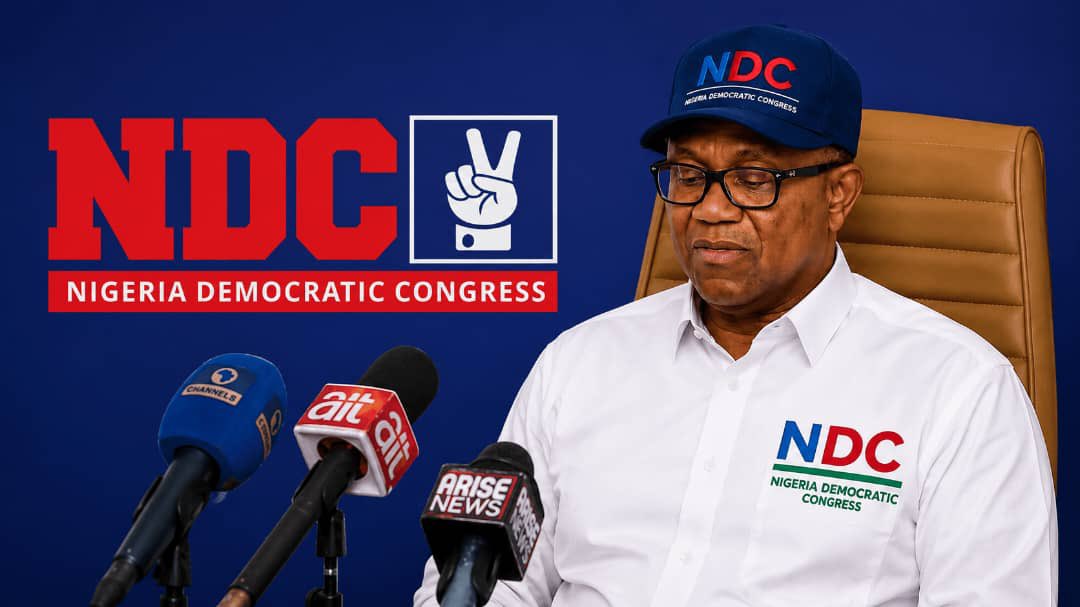
 NDC Wins Logo Battle as Abuja Court Orders INEC to Use Modified Design
 news
news Atiku Exposes Tinubu’s FAAC Scam: Bigger Naira, Poorer Nigerians
 news
news Police Arrest Hafsat Abubakar Over Fake Fintech Shutdown Document Circulated Online
 politics
 Sowore Declares Peter Obi Yelwata Blockade Government-Sponsored Political Attack
How do you feel about this news?
Community Additions
Have a news tip, correction, or extra context about this story? Post it below instantly. All submissions appear live on this screen immediately.