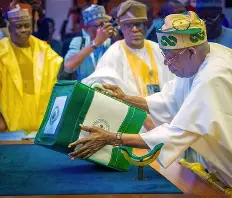
₦210 Billion Duplicates Exposed in Tinubu’s 2026 Budget Scandal
July 18, 2026- A detailed examination of Nigeria’s 2026 Appropriation Act has uncovered over ₦210 billion in potentially duplicated allocations spread across various government ministries, departments, agencies (MDAs), and programmes.
The findings, reported by investigative platform Parallel Facts, have ignited renewed scrutiny over fiscal transparency and accountability in President Bola Tinubu’s administration as the country grapples with economic hardships and mounting public debt.
While duplication does not automatically prove corruption, the scale and lack of clear justifications have prompted calls for independent probes by oversight bodies, including the National Assembly, the Auditor-General, and anti-corruption agencies.
Critics argue these overlaps could mask inefficiencies, padding, or worse — at a time when ordinary Nigerians face soaring inflation, fuel costs, and insecurity.
Investigators highlighted several concerning examples:
- Office of the Special Adviser to the President on Policy and Coordination**: Allocated ₦1 billion under one Service Wide Vote line and an additional ₦2.73 billion under another, totaling ₦3.73 billion. The budget provides no explanation for the separate appropriations or distinct purposes.
- National Poverty Reduction with Growth Strategy**: Received ₦100 billion via Service Wide Vote, with another substantial allocation appearing under the Federal Ministry of Budget and Economic Planning.
Combined figures approach ₦200 billion, but distinctions between the funding streams remain unclear.
- Federal Road Safety Corps (FRSC) Mass-Transit Bus Programme**: Split into five separate allocations of around ₦1.3 billion each (totaling ~₦6.5 billion).
While descriptions vary slightly, all relate to bus procurement and deployment, with minimal details on locations, beneficiaries, or implementation.
Additional issues include separate funding for Lagos liaison offices run by the State House and the Office of the Secretary to the Government of the Federation, potentially inflating administrative costs through parallel structures.
Budget experts note that segmenting programmes across lines can be legitimate for complex initiatives, but vague project descriptions hinder verification and accountability.
Without detailed procurement records, contract awards, and implementation reports, distinguishing genuine needs from wasteful repetition remains challenging.
This revelation comes against a backdrop of ongoing fiscal scrutiny.
The 2026 budget, signed into law earlier this year after adjustments pushing it to around ₦68 trillion, has faced criticism for unrealistic revenue projections, off-mandate spending by MDAs, and questions over transparency.
Analyses by groups like BudgIT and media outlets have previously flagged billions in constituency-style projects routed through unrelated agencies.
Related issues include allegations of fake agencies receiving allocations (such as the disputed Presidential Foreign Intervention Promotion Council) and IMF observations about unreported expenditures distorting fiscal reporting.
The government has pushed back on some claims, denying “shadow budgets” and emphasizing adherence to constitutional processes, while President Tinubu has directed investigations into specific irregularities.
Opposition voices, civil society, and analysts have amplified calls for reforms, including better oversight, reduced padding, and a shift toward unified, realistic budgeting to tackle Nigeria’s debt burden and deliver tangible development.
Enquiries sent to relevant ministries and agencies for comment had not been answered at the time of the initial report. A full audit and transparent response from authorities will be essential to restore public confidence.
As Nigerians continue to endure economic pressures, this latest exposé underscores the urgent need for robust mechanisms to ensure public funds serve their intended purposes — without duplication, opacity, or misuse.
The coming weeks of oversight and potential probes could prove pivotal for the administration’s fiscal credibility.
 politics
 Adebayo Challenges Tinubu: Where Is Subsidy Money? Come Out and Account for It
 politics
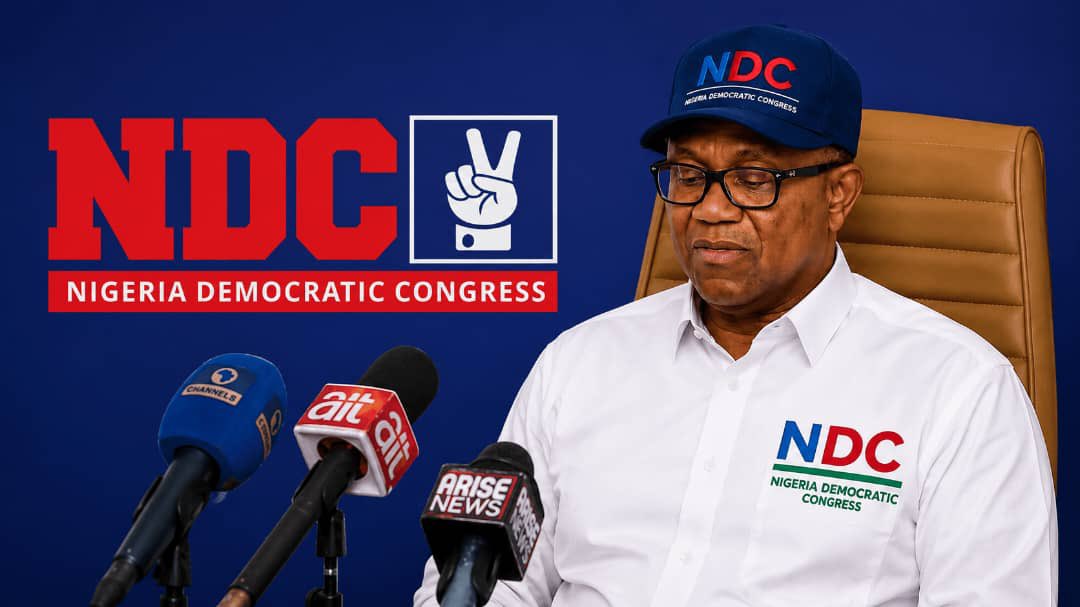
 NDC Wins Logo Battle as Abuja Court Orders INEC to Use Modified Design
 news
news Atiku Exposes Tinubu’s FAAC Scam: Bigger Naira, Poorer Nigerians
 news
news Police Arrest Hafsat Abubakar Over Fake Fintech Shutdown Document Circulated Online
 politics
 Sowore Declares Peter Obi Yelwata Blockade Government-Sponsored Political Attack
How do you feel about this news?
Community Additions
Have a news tip, correction, or extra context about this story? Post it below instantly. All submissions appear live on this screen immediately.