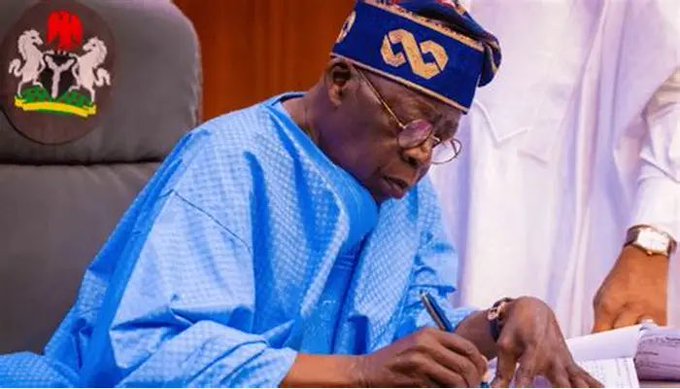
Tinubu’s $11.4 Billion World Bank Loans in Three Years Ignite Debate Over Nigeria’s Rising Debt Burden
LAGOS, NIGERIA — President Bola Ahmed Tinubu’s administration has secured approximately $11.4 billion in World Bank loan approvals in just three years, a rapid borrowing pace that has intensified concerns about Nigeria’s escalating debt profile, fiscal sustainability, and the tangible benefits reaching ordinary citizens.
The approvals, granted between June 2023 and June 2026, represent nearly 78% of the total $14.59 billion in World Bank financing obtained during the entire eight-year tenure of former President Muhammadu Buhari.
While the Federal Government maintains that these concessional loans are critical for funding economic reforms, infrastructure projects, and social programmes, critics argue that the aggressive borrowing has not translated into visible improvements amid persistent inflation, high food prices, unemployment, and declining living standards.
According to World Bank records, only about $2.32 billion of the approved facilities has been disbursed so far.
More than $8 billion remains undisbursed, linked to project implementation milestones and policy conditions.
Major approvals include:
- A $2.25 billion Economic Stabilisation and Reform Programme in 2024.
- A further $1.25 billion package in 2026 targeting job creation, energy reforms, agricultural productivity, and economic resilience.
Government officials emphasise that the loans are highly concessional, with low interest rates and long repayment periods, making them more favourable than commercial borrowing. The funds are reportedly directed at key sectors including:
- Electricity and energy reforms
- Healthcare and education
- Agriculture and food security
- Digital infrastructure
- Social protection programmes
Despite repeated announcements of international support, many Nigerians report little improvement in daily life.
In Kano, market trader Aisha Ibrahim expressed widespread sentiment:
“We keep hearing about billions of dollars coming into the country, yet life is becoming more difficult. Food prices keep rising, electricity is unreliable, and businesses are struggling to survive.”
Similar frustrations echo across the country as citizens contend with the impacts of fuel subsidy removal, exchange rate unification, and sustained high inflation.
Development economist Dr. Aliyu Ilias noted that borrowing is not inherently negative if properly managed.
“Loans become a problem only when citizens cannot see the impact. If borrowed funds create jobs, improve infrastructure, increase productivity and expand opportunities, then they become investments rather than liabilities. Accountability is therefore critical.”
Nigeria has emerged as one of the World Bank’s largest borrowers under the International Development Association (IDA), with total exposure now exceeding **$18 billion**.
Debt servicing continues to consume a substantial share of government revenue, constraining spending on essential services such as healthcare, education, and security.
Analysts observe that the Tinubu administration’s annual World Bank borrowing rate significantly outpaces that of the Buhari era.
Supporters view this as a necessary aggressive strategy to stabilise Africa’s largest economy during a period of declining revenues and structural challenges.
Critics, however, warn that rapid debt accumulation without accelerated project delivery risks burdening future generations while delivering limited immediate relief.
Fiscal policy experts are calling for:
- Strengthened project monitoring and evaluation mechanisms
- Greater transparency in loan utilisation
- Regular public reporting on implementation progress
- Enhanced domestic revenue generation
- Reduction in wasteful government expenditure
- Tying future borrowings strictly to projects with clear economic return.
As Nigeria navigates its economic reform agenda, the ultimate success of the Tinubu administration’s borrowing strategy will be measured not by the volume of loans secured, but by concrete outcomes: reliable electricity, affordable food, quality healthcare, improved infrastructure, sustainable employment, and rising living standards for millions of Nigerians.
With public debt continuing to climb and economic hardships persisting, the debate over the government’s borrowing approach is set to dominate national discourse in the coming months.
 politics
 Adebayo Challenges Tinubu: Where Is Subsidy Money? Come Out and Account for It
 politics
 NDC Wins Logo Battle as Abuja Court Orders INEC to Use Modified Design
 news
news Atiku Exposes Tinubu’s FAAC Scam: Bigger Naira, Poorer Nigerians
 news
news Police Arrest Hafsat Abubakar Over Fake Fintech Shutdown Document Circulated Online
 politics
 Sowore Declares Peter Obi Yelwata Blockade Government-Sponsored Political Attack
How do you feel about this news?
Community Additions
Have a news tip, correction, or extra context about this story? Post it below instantly. All submissions appear live on this screen immediately.