
No Big Money Needed: Just Start Frying Akara, Kulikuli Says Remi Tinubu
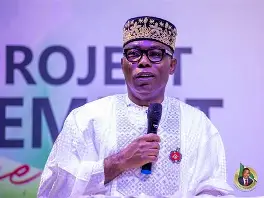
Abuja, Nigeria - In a remark that has dominated conversations across Nigeria, First Lady Senator Oluremi Tinubu suggested that starting small businesses like frying akara (bean cakes), roasting corn, or making kuli kuli “doesn’t take much money” as a pathway to hope amid ongoing economic hardship.
Delivered during a Renewed Hope Initiative event with wives of state governors at the State House in Abuja, her comments — intended to highlight government grants to women — have instead unleashed a storm of outrage, mockery, and sharp criticism on social media. “We’re trying to give hope,” the First Lady said. “To start akara business doesn’t take a lot of money. To start roasting corn, or somebody even said kuli kuli doesn’t take much.”
She emphasized that the initiative provides grants (not loans) to help women recapitalize businesses, and referenced personal philanthropic efforts, including billions given toward health initiatives like TB, breast cancer, and malnutrition.
Context of Renewed Hope Grants The statement came as part of the Renewed Hope Initiative’s second-quarter meeting, where the First Lady and state governors’ wives discussed empowerment programs.
Mrs. Tinubu stressed that these micro-grants aim to support existing small businesses and encourage resilience.
Supporters argue the advice promotes self-reliance and practical entrepreneurship in a challenging environment, noting that akara vending has historically been a low-barrier entry point for many Nigerian women.
However, the timing and framing struck a nerve. Nigeria continues to grapple with soaring food inflation (often exceeding 40% for staples like beans, oil, and grains), high living costs, fuel prices around ₦1,300 per liter, and widespread unemployment.
Many view the suggestion as tone-deaf, especially coming from the highest office in the land.
Public Backlash: A Nation’s Raw Emotions Social media erupted with a mix of anger, sarcasm, and despair.
The clip, amplified by outlets like ARISE NEWS, quickly went viral, prompting thousands of reactions that reveal deep-seated frustrations. x.com @INEMAniefiok01 captured widespread disillusionment: “Either through the ballot or revolution, Nigeria will receive a reset come 2027!” x.com @MercyAgera questioned the First Lady’s empathy: “She is not a good woman. Was it akara and kuli kuli that was sold to train Seyi?” x.com @ChinenyeIk64148 offered a constructive yet critical perspective: “With respect, telling women to sell akara isn’t an economic policy. Why not create factories that process beans into flour… Women need sustainable jobs, not more survival strategies.” x.com Others highlighted perceived hypocrisy. @skood009 recalled a real-life akara seller who barely sustained her family, while @COkarefe accused the political class of promoting “crumbs” while enjoying luxury: “They obviously don’t rate Nigerians… God is in heaven.” x.com Sarcasm flowed freely, with users joking about supplying akara to Aso Rock or comparing it to past “agbado” memes. Many asked pointed questions about the source of the grants (“Is it taxpayers’ money?”) and why broader industrial or policy solutions aren’t prioritized. x.com Media personalities joined the fray. Arise TV anchor Ayo Mario-Ese reportedly called the advice insulting to Nigerian women in 2026.
Nuances and Broader Implications
Not all reactions were negative. Some defended the First Lady, arguing akara businesses can indeed be profitable with low startup costs in certain contexts and that dismissing them overlooks grassroots realities.
One user noted profit margins over 50% for such ventures. Yet even defenders often acknowledged the larger economic picture: high input costs (beans, oil, etc.) make profitability far harder today than in previous decades.
This episode taps into larger themes defining the Tinubu administration’s third year: the gap between official narratives of “renewed hope” and the lived experiences of millions facing eroded purchasing power.
It echoes past controversies where elite suggestions for coping mechanisms clashed with public suffering. Critics see it as symptomatic of disconnect — a First Lady promoting petty trading while the presidency touts massive infrastructure and defense budgets.
Supporters frame it as pragmatic encouragement for women to leverage available opportunities rather than waiting for systemic fixes.
As Nigeria navigates overlapping budgets, insecurity, and fiscal challenges, Mrs. Tinubu’s words have become a lightning rod.
They force uncomfortable conversations about dignity of labor, policy effectiveness, class divides, and what “hope” truly means in 2026. Whether this sparks genuine policy reflection or fades as another viral moment remains to be seen. For now, it has given voice to a nation’s collective exhaustion — one akara at a time. Nigerians continue to debate: Is this empowering advice or a painful reminder of unfulfilled promises? The answer may define public sentiment heading into future elections.
 politics
 Adebayo Challenges Tinubu: Where Is Subsidy Money? Come Out and Account for It
 politics
 NDC Wins Logo Battle as Abuja Court Orders INEC to Use Modified Design
 news
news Atiku Exposes Tinubu’s FAAC Scam: Bigger Naira, Poorer Nigerians
 news
news Police Arrest Hafsat Abubakar Over Fake Fintech Shutdown Document Circulated Online
 politics
 Sowore Declares Peter Obi Yelwata Blockade Government-Sponsored Political Attack
How do you feel about this news?
Community Additions
Have a news tip, correction, or extra context about this story? Post it below instantly. All submissions appear live on this screen immediately.