Onanuga's Hunger Denial Ignites Fury as Obidients Slam Tinubu's "Renewed Denial"
Lagos, Nigeria – June 24, 2026 - In a country where millions grapple daily with soaring food prices, business collapses, and persistent violence, a senior presidential aide’s blunt dismissal of widespread hunger has unleashed a storm of criticism, highlighting the deepening chasm between official narratives and the lived realities of ordinary Nigerians.
Dr. Yunusa Tanko, coordinator of the Obidient Movement, and his team fired back sharply today, accusing the Bola Tinubu administration of shifting from its “Renewed Hope” campaign slogan to outright “Renewed Denial.”
The movement’s strongly worded statement, released Wednesday, directly targets President Tinubu and his Special Adviser on Information and Strategy, Bayo Onanuga, for what it calls an insensitive refusal to acknowledge the scale of economic hardship and insecurity plaguing the nation.
The Spark: Onanuga’s TV Remarks
The controversy erupted after Onanuga appeared on Arise TV, where he stated he personally “does not see the level of hunger Nigerians are complaining about.”
Citing conversations with his own staff and government initiatives—like the more than 100% increase in the minimum wage to ₦70,000, student loans through NELFUND, and infrastructure projects such as improved highways—he suggested the narrative of severe hardship is exaggerated.
He also pushed back against media portrayals of insecurity, arguing Nigeria is not “under siege.”
These comments, made amid reports of persistent inflation (recently around 15-33% depending on metrics), skyrocketing costs of staples like yam and other foodstuffs, and widespread business struggles, struck many as profoundly out of touch.
Obidient Movement’s Rebuttal: “You Cannot Wish Away Hunger”
In their statement, the Obidient Movement painted a stark picture: basic necessities far more affordable before the APC came to power in 2015; crippling inflation, volatile exchange rates, high energy costs, and multiple taxation squeezing households and enterprises; communities ravaged by terrorism, banditry, and kidnapping; and increased government revenues from fuel subsidy removal failing to deliver meaningful gains in roads, healthcare, or education.
“No government can wish away hunger and hardship through public statements,” the group asserted.
They accused the administration of a dangerous disconnect from citizens’ struggles, calling on leaders to face realities rather than deny them.
The movement urged immediate action to stabilize the economy, tackle insecurity, and restore public trust.
Broader Context: A Nation Under Strain Nigeria’s challenges under the Tinubu administration, now in its third year, are well-documented across independent reports and citizen testimonies.
Fuel subsidy removal in 2023 triggered sharp price spikes that rippled through the economy.
While the government highlights reforms, long-term gains, minimum wage adjustments, and projects like the Lagos-Calabar highway, critics point to immediate pain: families skipping meals, businesses shuttering, youth unemployment, and displaced communities fleeing violence in regions from the Northeast to the Northwest and beyond.
Peter Obi, the Labour Party figure closely associated with the Obidient Movement, has repeatedly voiced similar concerns, urging the president to address hunger, insecurity, and economic hardship without excuses. Onanuga has previously dismissed some of Obi’s interventions as “childish.”
Public reaction on social media and in everyday conversations reflects raw frustration. Many shared personal stories of doubled food costs, unaffordable transportation, and eroded purchasing power, contrasting sharply with official optimism.
Nuances and Implications
This is not merely a war of words. It underscores a classic tension in governance: the gap between macroeconomic reforms and micro-level suffering.
Supporters of the administration argue short-term pain is necessary for long-term stability—citing infrastructure progress and policy shifts aimed at diversification.
Critics, including the Obidients, counter that empathy, transparent communication, and faster relief measures are essential to maintain legitimacy.
Denials of visible struggles risk alienating citizens further, potentially fueling protests or deepening political polarization ahead of future elections.
Conversely, relentless focus on problems without acknowledging incremental wins can undermine investor confidence and reform momentum.
As a veteran journalist who has covered Nigerian politics through multiple administrations, one truth endures: governments that listen and adapt endure; those that appear aloof invite stronger backlash.
The Tinubu team now faces a critical test—not just in policy delivery, but in bridging the perceptual divide with a weary populace.
The Obidient Movement’s message is clear: “Your government cannot deny hunger [and] insecurity facing Nigerians.”
Whether this sparks genuine policy recalibration or further entrenchment remains to be seen.
For millions of Nigerians, the stakes are not abstract—they are measured in empty plates, sleepless nights over safety, and fading hope for better days.
 politics
 Adebayo Challenges Tinubu: Where Is Subsidy Money? Come Out and Account for It
 politics
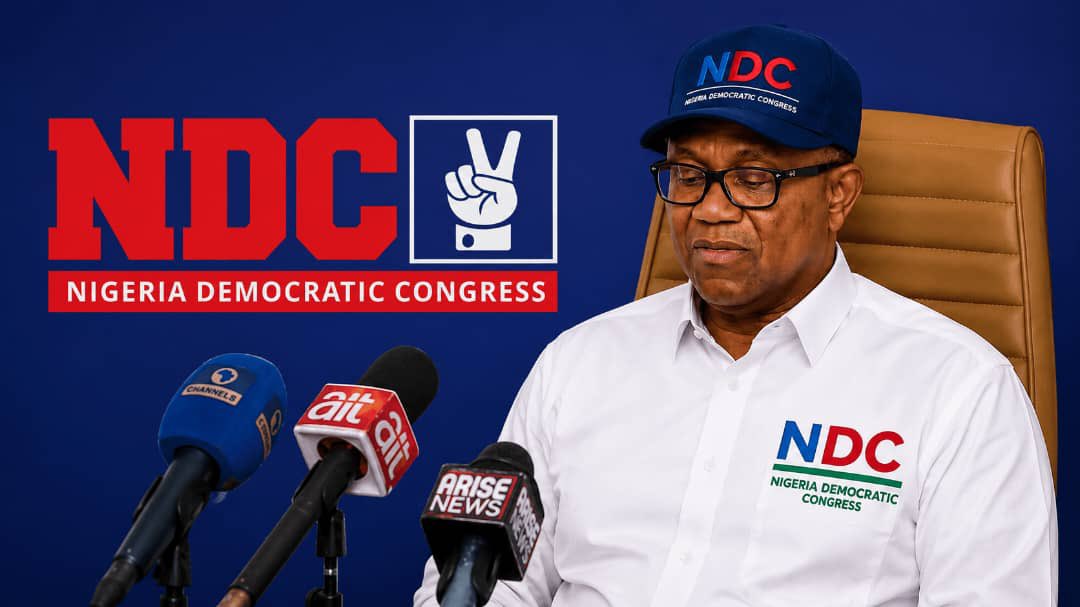
 NDC Wins Logo Battle as Abuja Court Orders INEC to Use Modified Design
 news
news Atiku Exposes Tinubu’s FAAC Scam: Bigger Naira, Poorer Nigerians
 news
news Police Arrest Hafsat Abubakar Over Fake Fintech Shutdown Document Circulated Online
 politics
 Sowore Declares Peter Obi Yelwata Blockade Government-Sponsored Political Attack
How do you feel about this news?
Community Additions
Have a news tip, correction, or extra context about this story? Post it below instantly. All submissions appear live on this screen immediately.