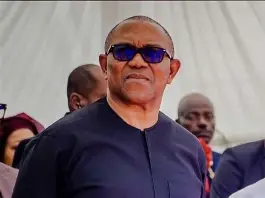
Nigeria Bleeding: Obi Demands Tinubu Resign Amid Mass Hardship
Lagos, Nigeria – June 23, 2026 – In a pointed challenge to Nigeria’s leadership amid deepening national crises, Peter Obi, the Nigeria Democratic Congress (NDC) presidential candidate for 2027 and former Anambra State governor, has urged President Bola Tinubu to resign, framing the call as a matter of democratic accountability rather than partisan politics.
Speaking through a detailed statement from his media office, Obi drew inspiration from British Prime Minister Keir Starmer’s announcement of his planned resignation in July, citing Starmer’s acknowledgment of insufficient progress in improving citizens’ lives.
Obi argued that Nigerian leaders should similarly own up to governance failures and step aside when outcomes fall short of promises and public expectations.
Central to Obi’s critique is the sharp rise in poverty. He highlighted that the number of Nigerians living below the poverty line has surged from approximately 87 million at the start of Tinubu’s administration to around 140 million today.
This escalation, he said, reflects broader “monumental governance failure,” marked by soaring inflation, widespread business closures, rampant unemployment, and a crushing cost of living that has left ordinary citizens struggling.
Obi also spotlighted persistent insecurity—kidnappings, banditry, and violent attacks now spanning rural and urban areas—as a symptom of leadership shortcomings. He dismissed government emphasis on macroeconomic indicators like GDP growth, stock market performance, or revenue figures as “self-congratulatory statistics” that fail to capture the daily hardships faced by millions.
True progress, he insisted, must be measured by improved living standards, access to basic services, and tangible reductions in poverty and fear.
“We are in the worst possible condition,” Obi stated, joining “Nigerians of goodwill” in calling for the President’s resignation to foster a culture where public office is seen as a sacred responsibility, not an entitlement, and where failure carries real consequences.
The Presidency swiftly rejected Obi’s appeal, describing it as “childish,” “hollow,” and an “unwarranted distraction.” In a strongly worded statement, officials noted that Nigeria operates under a presidential system with fixed terms, making mid-term resignation calls misplaced.
They pointed to recent electoral successes by the ruling party and highlighted achievements such as foreign reserves reaching $50 billion, oil production approaching 1.8 million barrels per day, and Q1 2026 GDP growth of 3.89%.
Critics of Obi, including some analysts and ruling party voices, suggest his intervention stems from political positioning ahead of 2027 rather than purely constructive critique, accusing him of residing in an “echo chamber” and overlooking incremental reforms in security and infrastructure.
This exchange revives familiar debates in Nigerian politics. Notably, President Tinubu himself once called for former President Goodluck Jonathan’s resignation during an earlier era of insecurity and economic strain—a point opposition supporters have seized upon to question the consistency of the current administration’s stance.
Obi’s media team pushed back firmly, insisting the call was “neither personal nor partisan” but a necessary reflection on leadership standards. They emphasized that genuine national progress requires leaders who prioritize citizen welfare over political survival.
As the country grapples with intertwined challenges of economic hardship, insecurity, and public disillusionment, Obi’s intervention underscores a deeper tension: how best to hold leaders accountable in a young democracy with strong institutional guardrails against frequent leadership changes.
While some view the call as bold advocacy for better governance, others see it as premature political theater just months into a four-year term.
Veteran observers note that such public spats often galvanize base support but rarely shift entrenched power structures without broader institutional or electoral momentum.
With 2027 elections on the horizon, the debate over poverty metrics, security outcomes, and leadership responsibility is likely to intensify, testing whether Nigeria can translate criticism into constructive national dialogue.
For now, President Tinubu’s administration remains firmly in place, defending its reform agenda against calls for resignation.
Obi, meanwhile, positions himself as a voice for the beleaguered masses, urging a leadership culture rooted in humility, results, and responsiveness to the people’s pain.
This unfolding story reflects the raw pulse of Nigerian democracy—where ambition, accountability, and the harsh realities of governance collide in the public square.
 politics
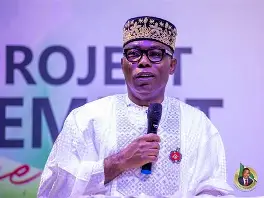
 Adebayo Challenges Tinubu: Where Is Subsidy Money? Come Out and Account for It
 politics
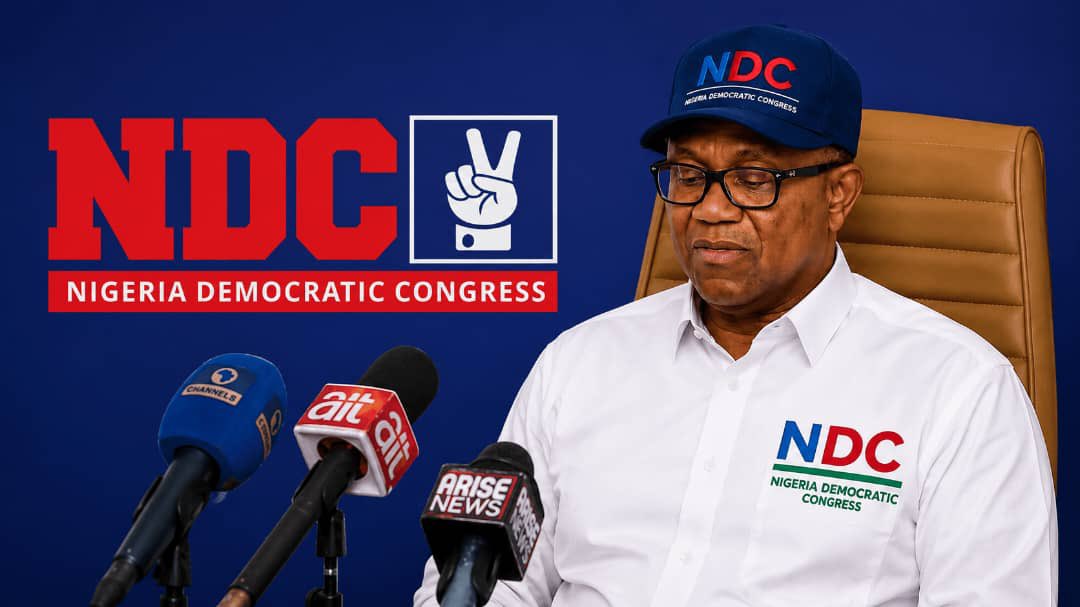
 NDC Wins Logo Battle as Abuja Court Orders INEC to Use Modified Design
 news
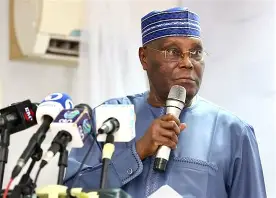
news Atiku Exposes Tinubu’s FAAC Scam: Bigger Naira, Poorer Nigerians
 news
news Police Arrest Hafsat Abubakar Over Fake Fintech Shutdown Document Circulated Online
 politics
 Sowore Declares Peter Obi Yelwata Blockade Government-Sponsored Political Attack
How do you feel about this news?
Community Additions
Have a news tip, correction, or extra context about this story? Post it below instantly. All submissions appear live on this screen immediately.