
Mambilla $6 Billion Scandal: Key Witness Bolsters EFCC Case Against Ex-Minister
Abuja, Nigeria — In a pivotal development in one of Nigeria’s most high-profile corruption trials, a prosecution witness has firmly affirmed the authenticity of key evidence presented by the Economic and Financial Crimes Commission (EFCC) against former Minister of Power and Steel, Dr. Olu Agunloye, in the alleged fraudulent award of the $6 billion Mambilla Hydroelectric Power Project contract.
The trial resumed on Thursday, June 18, 2026, before Justice Jude Onwuegbuzie at the Federal Capital Territory High Court in Apo, Abuja.
The sixth prosecution witness (PW6), Iliya John Iyakwari—a former Assistant Director of Legal Services in the Federal Ministry of Justice and now serving as Assistant Legal Adviser in the Federal Ministry of Power—stood firm under rigorous cross-examination.
Iyakwari denied the existence of any alternative extract from the Federal Executive Council (FEC) meeting of May 21, 2003, different from the one he personally certified and which the EFCC tendered as Exhibit EFCC 3K.
Defence counsel Adeola Adedipe, SAN, pressed the witness on potential discrepancies, but Iyakwari maintained his position.
The proceedings highlighted ongoing tensions over documentary evidence. When the defence sought to introduce or reference Exhibit EFCC 3D, prosecution counsel Abba Mohammed, SAN, objected strongly, citing Supreme Court precedents such as Buhari v. INEC and Palladium Mining Ltd & Gekpan Nigeria Limited (2003).
The objection argued that the witness, not being the maker of the document, could not be cross-examined on it.
Justice Onwuegbuzie concluded the cross-examination of PW6 and adjourned the matter to July 2, 2026, for further hearing.
Agunloye faces an amended seven-count charge bordering on official corruption and the alleged fraudulent award of the massive Mambilla contract to Sunrise Power Transmission Company Limited (SPTCL).
The EFCC alleges irregularities, including the absence of proper budgetary provisions, presidential approval, or cash backing at the time of the award, alongside claims of forged documents and gratification.
This case forms part of broader scrutiny of the long-troubled Mambilla project, conceived in the early 1970s–1980s as a flagship hydroelectric initiative on the Dongo River in Taraba State.
With a planned capacity of 3,050 MW, it was envisioned as a transformative solution to Nigeria’s chronic power shortages.
However, decades of delays, political shifts, administrative bottlenecks, and legal disputes have left it largely unrealized, symbolizing both the nation’s energy ambitions and the pitfalls of grand infrastructure projects.
Previous witnesses have testified to issues such as alleged unilateral reductions in the Federal Government’s equity stake, forged contract documents, and deviations from directives.
The trial has drawn significant attention due to its scale and implications for accountability in high-level public contracting.
Dr. Olu Agunloye, a physicist by training with a PhD from the University of Ibadan, has had a distinguished career spanning academia, public service (including as pioneer head of the Federal Road Safety Corps), and politics.
He previously served as Minister of State for Defence (Navy) before his tenure as Minister of Power and Steel.
Agunloye has consistently maintained his innocence. He was re-arraigned in 2025 after earlier interactions with the EFCC, and the case continues to unfold with meticulous examination of historical government records from the Obasanjo era.
The Mambilla saga extends beyond one individual. It underscores systemic challenges in Nigeria’s power sector: how elite-level decisions, inter-agency coordination failures, and alleged graft can derail projects critical to national development.
Success or setbacks here could influence public trust in anti-corruption efforts, investor confidence in infrastructure, and ongoing arbitration disputes involving international partners.
As the trial progresses, Nigerians watch closely. The EFCC’s persistence in presenting certified exhibits and witnesses reflects a commitment to evidentiary rigor in complex financial crime cases.
For a country grappling with energy deficits, the outcome may carry lessons on safeguarding public funds in mega-projects.
The next hearing on July 2 promises further revelations as the defence continues its challenge and the prosecution builds its narrative.
In the corridors of justice, every certified document and every witness statement inches the case toward resolution—with ramifications that could resonate far beyond the courtroom.
 politics
 Adebayo Challenges Tinubu: Where Is Subsidy Money? Come Out and Account for It
 politics
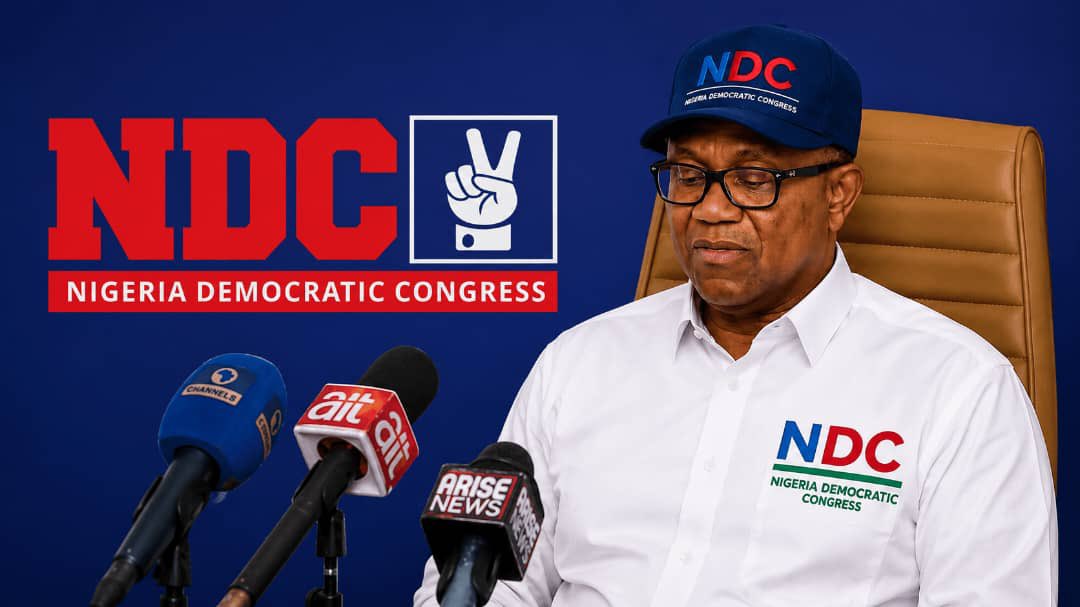
 NDC Wins Logo Battle as Abuja Court Orders INEC to Use Modified Design
 news
news Atiku Exposes Tinubu’s FAAC Scam: Bigger Naira, Poorer Nigerians
 news
news Police Arrest Hafsat Abubakar Over Fake Fintech Shutdown Document Circulated Online
 politics
 Sowore Declares Peter Obi Yelwata Blockade Government-Sponsored Political Attack
How do you feel about this news?
Community Additions
Have a news tip, correction, or extra context about this story? Post it below instantly. All submissions appear live on this screen immediately.