NEC Allocates N83.2 Billion to Shield Nigeria from Floods, Climate Crises
Abuja, Nigeria – In a decisive move toward proactive disaster management, Nigeria’s National Economic Council (NEC) has approved N83.2 billion for anticipatory interventions to mitigate the devastating impacts of flooding and other climate-related emergencies sweeping across the country.
The funding, unveiled during the 158th NEC meeting on Thursday, June 18, 2026, will support the Anticipatory Action Task Force (AATF) in shifting from reactive responses to preemptive measures ahead of the peak rainy season.
Vice President Kashim Shettima, who chairs the Council, emphasized that this allocation reflects the Tinubu administration’s commitment to delivering tangible results from its reform agenda, particularly for vulnerable farmers, manufacturers, and ordinary citizens.
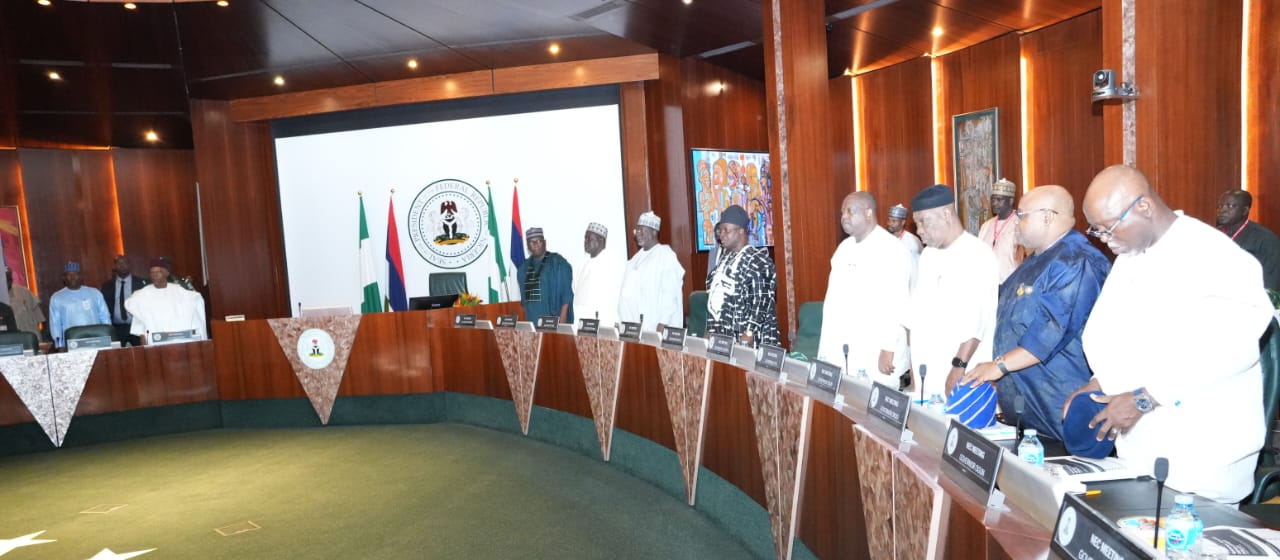
Images from the high-level meeting at the Presidential Villa captured key figures, including governors, ministers, and senior officials, gathered in the Council chamber—underscoring the federal-state collaboration essential for success.
The approval followed a detailed presentation by the Minister of State for Budget and Economic Planning, Dr. Doris Uzoka-Anite.
It highlights growing recognition that Nigeria can no longer afford solely post-disaster responses. Flooding has long plagued the nation, destroying homes, farmlands, infrastructure, and lives—particularly in riverine and low-lying areas. This year, warnings have highlighted risks to 33 states and the Federal Capital Territory.
The AATF framework builds on earlier initiatives, including a broader National Anticipatory Action Framework backed by significant prior commitments (such as N166 billion earmarked for data-driven preparedness).
Officials stressed the need for early interventions in high-risk zones like parts of Borno, Bauchi, and Adamawa states.
Vice President Shettima framed the decision within a broader vision of national progress. “A federation does not earn its prosperity by leaving its most vulnerable behind,” he stated, positioning the funds as part of converting “national conscience into a durable system that protects citizens and strengthens human capital.”
Beyond disaster preparedness, Shettima used the platform to press for deeper structural changes. He urged states to collaborate with the Federal Government in dismantling logistical and compliance barriers that hinder Nigerian farm produce from reaching international markets.
Nigeria, he noted, must move beyond exporting raw materials and importing “finished prosperity.” A complete value chain—linking farms to factories, standards, ports, and markets—is essential. “A nation that cannot move its goods has imprisoned its own farmers,” Shettima declared, calling for improved port processes and adherence to global standards as the pathway to rewarding labor and expanding trade.
He invoked a powerful metaphor for the economy: “A workshop… judged by what comes off the bench.” The Council’s work, he said, must translate plans into systems, systems into institutions, and ultimately visible improvements in the lives of farmers, manufacturers, youth, and future generations.
Nigeria’s vulnerability to climate change is well-documented. Annual floods displace millions, erode agricultural output, and strain government resources.
By funding anticipatory actions—such as early warnings, pre-positioned relief, infrastructure reinforcements, and community resilience programs—the NEC aims to reduce human and economic losses.
This development occurs amid the Tinubu administration’s “Renewed Hope” agenda, which seeks to stabilize the economy, boost production, and foster inclusive growth.
Critics may question implementation effectiveness given past funding shortfalls, but proponents see it as a pragmatic step toward resilience in a federation where states hold significant on-ground responsibility.
Cross River State Governor Prince Bassey Otu, who briefed correspondents, noted the sum represents 50% of the requested amount, signaling a phased yet determined approach.
As rains intensify, the effectiveness of this N83.2 billion investment will hinge on swift execution, intergovernmental coordination, and transparency. For Nigeria’s millions of smallholder farmers and flood-prone communities, it offers hope of fewer tragedies and more stable livelihoods.
For the broader economy, it pairs disaster risk reduction with an urgent push for export competitiveness—two sides of the same coin in building a more resilient and prosperous nation.
The Council’s deliberations underscore a maturing policy mindset: addressing today’s crises while laying foundations for tomorrow’s opportunities.
Whether this translates into “work taking shape” on the ground, as Shettima challenged, will define its true impact in the months and years ahead.
 politics
 Adebayo Challenges Tinubu: Where Is Subsidy Money? Come Out and Account for It
 politics
 NDC Wins Logo Battle as Abuja Court Orders INEC to Use Modified Design
 news
news Atiku Exposes Tinubu’s FAAC Scam: Bigger Naira, Poorer Nigerians
 news
news Police Arrest Hafsat Abubakar Over Fake Fintech Shutdown Document Circulated Online
 politics
 Sowore Declares Peter Obi Yelwata Blockade Government-Sponsored Political Attack
How do you feel about this news?
Community Additions
Have a news tip, correction, or extra context about this story? Post it below instantly. All submissions appear live on this screen immediately.