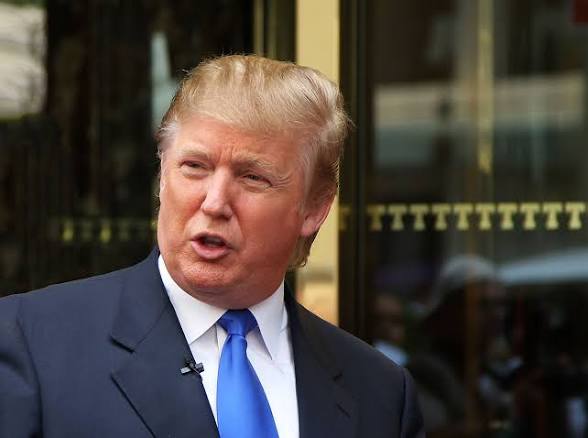
Trump Claims US-Iran Deal Signed Sunday Hormuz Reopens
Washington / Tehran, June 14, 2026 — US President Donald Trump announced on Saturday that a deal with Iran is scheduled to be signed on Sunday, June 14, and that the strategically vital Strait of Hormuz will reopen to all shipping immediately afterward.
In a post on his Truth Social platform, Trump stated: “The Deal is scheduled to get signed tomorrow, and immediately after it is signed, the Hormuz Strait is OPEN TO ALL.”
He described the agreement as a “wall to no nuclear weapon,” emphasizing that no money would change hands and that the US would eventually remove and destroy Iran’s enriched uranium stockpile.
The announcement comes amid a months-long conflict between the United States, Israel, and Iran that began with large-scale US and Israeli strikes on Iranian targets in February 2026.
A key feature of the conflict has been a US naval blockade of the Strait of Hormuz — a narrow waterway through which roughly 20% of global oil and liquefied natural gas shipments pass.
The blockade severely disrupted international energy markets and shipping.
Earlier attempts at de-escalation included a temporary ceasefire mediated by Pakistan.
The latest development centers on a proposed memorandum of understanding (MOU) that would extend the current ceasefire by 60 days, immediately reopen the Strait of Hormuz without tolls, restore pre-war shipping patterns, and launch formal negotiations on Iran’s nuclear program.
According to reports, the framework includes Iran halting pursuit of nuclear weapons in exchange for the lifting of certain US sanctions and the end of the naval blockade.
Trump has repeatedly contrasted the prospective deal favorably with the 2015 JCPOA nuclear agreement he withdrew from in 2018.
Iranian officials have responded more cautiously. Foreign Ministry spokesperson Esmaeil Baghaei described Washington’s statements about an imminent Sunday signing as “speculation,” stating that nothing has been finalized and that Iran has “not yet reached a final conclusion about the agreement.”
Tehran has indicated that any signing would occur “in the coming days” rather than necessarily on Sunday.
Pakistan, the key mediator, has confirmed that a final text has been agreed upon, with only logistical “next steps” remaining. Some reports suggest a possible virtual signing or ceremony involving US Vice President JD Vance and Iranian officials.
Israeli officials have expressed reservations. While Israel would not be a signatory and would retain the right to self-defense (with coordination required with the US), some senior figures have privately criticized the emerging terms as insufficiently protective of Israeli interests and potentially temporary.
If implemented, the reopening of the Strait of Hormuz would represent a major relief for global energy supplies and could lead to lower oil prices and stabilized shipping routes.
The deal is framed as an initial step rather than a comprehensive peace treaty, leaving complex issues — including the full scope of Iran’s nuclear activities and long-term sanctions relief — for follow-on negotiations.
Nuances remain significant. Past optimistic statements from the Trump administration about imminent breakthroughs have not always materialized quickly.
Iran’s measured tone reflects domestic political considerations and a desire to avoid appearing to concede under pressure.
Questions persist about final approval from Iran’s Supreme Leader and the enforceability of any commitments.
Markets and analysts are watching closely. A successful Sunday development could boost global confidence and ease tensions in the Middle East.
However, any delay or breakdown risks renewed volatility in energy markets and further escalation.
As of early Sunday morning (WAT), no confirmation of the signing had been issued by either side, and the situation remains fluid.
Both Washington and Tehran have signaled that an agreement is close, but the precise timeline and final details continue to be clarified through diplomatic channels.
This latest chapter underscores the high stakes of diplomacy in one of the world’s most critical chokepoints and the complex interplay of military, economic, and nuclear considerations shaping the region.
 politics
 Adebayo Challenges Tinubu: Where Is Subsidy Money? Come Out and Account for It
 politics
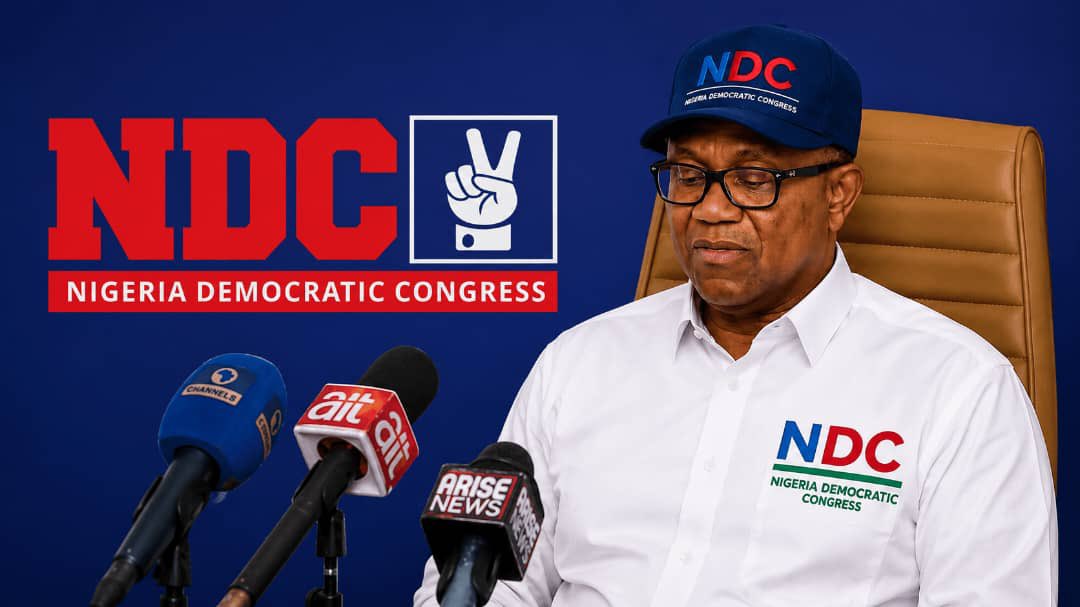
 NDC Wins Logo Battle as Abuja Court Orders INEC to Use Modified Design
 news
news Atiku Exposes Tinubu’s FAAC Scam: Bigger Naira, Poorer Nigerians
 news
news Police Arrest Hafsat Abubakar Over Fake Fintech Shutdown Document Circulated Online
 politics
 Sowore Declares Peter Obi Yelwata Blockade Government-Sponsored Political Attack
How do you feel about this news?
Community Additions
Have a news tip, correction, or extra context about this story? Post it below instantly. All submissions appear live on this screen immediately.