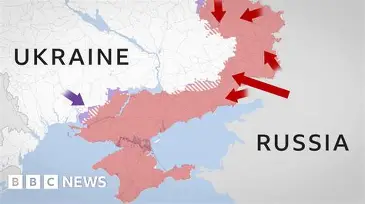
Ukraine Unleashes Massive Drone Swarm on Moscow in Bold Escalation
Moscow, Russia – June 19, 2026 – In one of the most audacious strikes of the four-year conflict, Ukrainian forces launched a sweeping overnight drone offensive targeting the heart of Russia’s capital region, igniting fires at a critical oil refinery, damaging residential structures, and disrupting air travel at the country’s busiest airports.
Russian officials described it as the largest such assault on Moscow since the full-scale invasion began, with air defenses scrambling to intercept nearly 200 drones approaching the city alone as part of a broader barrage across multiple regions.
Eyewitness videos circulating on social media and verified by international outlets captured dramatic scenes: towering plumes of black smoke billowing from the Kapotnya oil refinery southeast of central Moscow, orange flames licking industrial structures, and thick clouds drifting over residential high-rises and infrastructure.
Debris from intercepted drones reportedly rained down in populated areas, while one strike visibly impacted an apartment building.
Residents described chaotic scenes, with some filming from balconies as explosions lit up the pre-dawn sky and emergency vehicles raced below.
The attack forced temporary halts or evacuations at major Moscow airports, including Vnukovo, Russia’s largest by passenger traffic, with hundreds of flights delayed or canceled—disrupting travel for thousands on an ordinary weekday.
Moscow Mayor Sergei Sobyanin confirmed the scale of the defensive effort, while regional authorities reported fires and damage in surrounding areas. Black oily residue even fell on parts of the city, prompting resident complaints of “black rain.”
Ukrainian officials framed the operation as a necessary demonstration of resolve and long-range capability, responding to ongoing Russian strikes on civilian and energy infrastructure in Ukraine, including a recent attack on a historic monastery.
Kyiv has increasingly relied on domestically produced drones to strike deep into Russian territory, aiming to degrade Moscow’s war economy—particularly its oil refining capacity, which funds the military effort.
This strike follows a similar hit on the same refinery earlier in the week, underscoring Ukraine’s growing precision and reach, with some drones reportedly traveling over 500 km.
From a broader perspective, the assault highlights the evolving dynamics of this attritional war.
Russia has conducted relentless missile and drone campaigns against Ukrainian cities, power grids, and civilians for years, often prompting accusations of war crimes from Kyiv and its allies.
Ukraine’s strategy of hitting back at symbolic and strategic targets in Russia—bringing the war “home” to Muscovites—carries significant risks and implications.
It may bolster Ukrainian morale and negotiating leverage amid stalled peace talks, but it also risks provoking a harsher Russian retaliation, potentially including escalated strikes on Ukrainian infrastructure or even shifts in military doctrine.
Human Impact and Nuances: While Russian reports emphasize successful interceptions and minimal casualties, videos and local accounts reveal the terror for ordinary residents—families in high-rises awakened by explosions, commuters facing travel chaos, and concerns over air quality from refinery fires.
On the Ukrainian side, such operations come at a cost: resources diverted from the front lines, potential civilian risks in dual-use targeting debates, and the grim reality that modern drone warfare blurs lines between military and civilian spheres on both sides.
Critics on social media noted the double standards in outrage over “civilian infrastructure” strikes, a recurring theme in polarized coverage of the conflict.
Geopolitically, the timing—amid G7 discussions and reported U.S. involvement in diplomacy—adds layers.
It signals Ukraine’s determination not to concede under pressure, even as global attention shifts. Russian Foreign Minister Sergey Lavrov quickly vowed regular massive retaliatory strikes, raising the specter of further escalation.
This event is not isolated but part of a tit-for-tat pattern where both sides increasingly target energy and rear-area assets.
Ukraine’s demonstrated ability to penetrate sophisticated Russian air defenses near the capital marks a tactical milestone, yet the human and economic toll mounts daily for millions.
As fires smolder and investigations continue, one thing is clear: the war’s shadow now looms directly over Moscow’s skyline, a stark reminder that in prolonged conflicts, no rear area remains truly safe.
Veteran observers warn that without renewed diplomatic momentum, such dramatic strikes risk becoming the new normal—prolonging suffering while testing the limits of international tolerance and resources on all sides.
The coming days will reveal whether this bold move opens paths to de-escalation or entrenches a deeper cycle of retaliation.
 politics
 Adebayo Challenges Tinubu: Where Is Subsidy Money? Come Out and Account for It
 politics
 NDC Wins Logo Battle as Abuja Court Orders INEC to Use Modified Design
 news
news Atiku Exposes Tinubu’s FAAC Scam: Bigger Naira, Poorer Nigerians
 news
news Police Arrest Hafsat Abubakar Over Fake Fintech Shutdown Document Circulated Online
 politics
 Sowore Declares Peter Obi Yelwata Blockade Government-Sponsored Political Attack
How do you feel about this news?
Community Additions
Have a news tip, correction, or extra context about this story? Post it below instantly. All submissions appear live on this screen immediately.