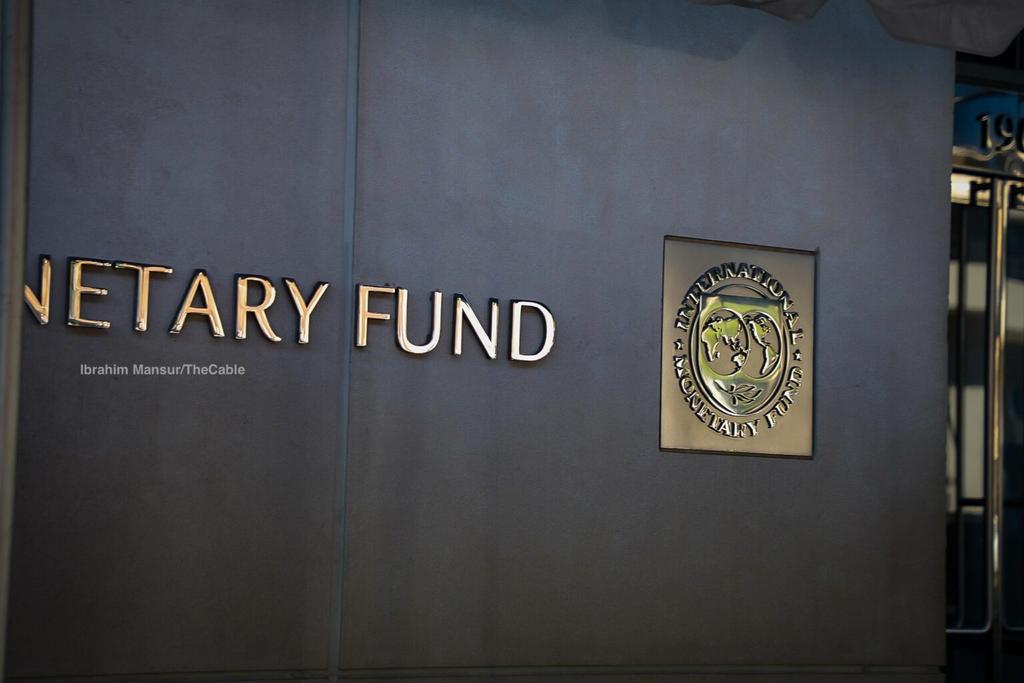
IMF Warns Nigeria Over Risky $5bn UAE Deal
Abuja/Lagos, June 10, 2026 — The International Monetary Fund (IMF) has cautioned Nigeria against proceeding with a proposed $5 billion financing arrangement structured as a complex derivatives deal with First Abu Dhabi Bank of the United Arab Emirates, describing such instruments as opaque and carrying significant hidden risks.
Speaking to journalists on Tuesday in Lagos, IMF Resident Representative in Nigeria, Christian Ebeke, warned that transactions of this nature are often difficult to fully understand and assess.
“Our view is that the transaction in these types of structures carry risks. Usually they are opaque so the terms are not always very transparent,” Ebeke stated, according to Reuters.
The warning centres on a Total Return Swap financing structure — not a conventional loan — which the Nigerian Senate recently approved as part of the Federal Government’s external borrowing plan.
The facility, expected to be disbursed in tranches, is intended to support budget implementation, fund infrastructure projects, and refinance existing debts.
Why the IMF Is Raising Concerns
IMF officials noted that while Nigeria has gained improved access to international capital markets following bold reforms — including the removal of fuel subsidies and the unification of foreign exchange rates — the proposed swap deal introduces complexities that could expose the country to unforeseen costs and refinancing risks.
Such instruments have been used by other African nations like Senegal and Angola, but they often involve margin calls and other contingent liabilities, particularly if the naira experiences sharp depreciation.
Ebeke emphasised that more transparent conventional financing options, such as Eurobonds, remain available and may present lower risks for Nigeria at this stage.
Broader Context
The caution comes during the IMF’s ongoing engagement with Nigeria under its 2026 Article IV consultation.
The Fund has praised the Tinubu administration’s reform efforts, which have helped boost foreign reserves to around $50 billion and stabilised parts of the economy.
However, it has consistently highlighted that these gains have yet to translate into significant relief for ordinary Nigerians still grappling with high inflation and poverty.
Public debt levels and debt servicing costs — which already consume a large portion of government revenue — remain a key area of concern.
The IMF’s intervention underscores the need for careful evaluation of non-traditional financing structures amid Nigeria’s push for alternative funding sources.
Government Position and Next Steps
The Federal Government has not yet issued a detailed public response to the specific IMF warning, though Finance Minister Wale Edun has previously welcomed the Fund’s overall positive assessment of Nigeria’s reform trajectory and pledged continued transparency in debt management.
Finance experts and analysts note that while the $5 billion facility could provide much-needed fiscal space, the lack of full transparency in the terms of the swap agreement has raised legitimate questions about long-term sustainability and accountability.
The IMF has advised Nigerian authorities to prioritise instruments that offer clearer terms and lower hidden risks as the country navigates its external financing needs.
This development adds a layer of scrutiny to Nigeria’s aggressive external borrowing strategy at a time when global lenders and multilateral institutions are closely watching emerging market debt dynamics.
 politics
 Adebayo Challenges Tinubu: Where Is Subsidy Money? Come Out and Account for It
 politics
 NDC Wins Logo Battle as Abuja Court Orders INEC to Use Modified Design
 news
news Atiku Exposes Tinubu’s FAAC Scam: Bigger Naira, Poorer Nigerians
 news
news Police Arrest Hafsat Abubakar Over Fake Fintech Shutdown Document Circulated Online
 politics
 Sowore Declares Peter Obi Yelwata Blockade Government-Sponsored Political Attack
How do you feel about this news?
Community Additions
Have a news tip, correction, or extra context about this story? Post it below instantly. All submissions appear live on this screen immediately.