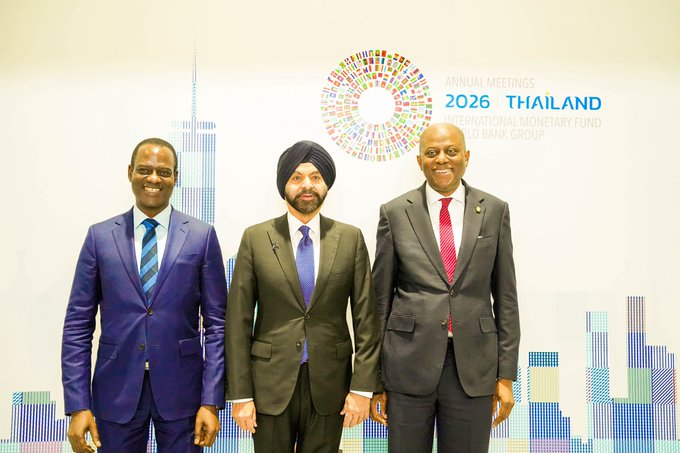
Nigeria’s Economic Shift Wins World Bank Nod as Oyedele Meets Banga
Nigeria’s progress in moving from macroeconomic stabilization to sustained economic growth has drawn recognition from the World Bank, following a high-level meeting on the sidelines of the 2026 IMF/World Bank Annual Meetings in Bangkok.
Honorable Minister of Finance and Coordinating Minister of the Economy, Taiwo Oyedele, and Central Bank of Nigeria (CBN) Governor Olayemi Cardoso met with World Bank Group President Ajay Banga to review the country’s reform gains and discuss strategies for unlocking greater investment, creating jobs, and delivering inclusive growth.
According to the Federal Ministry of Finance, private capital inflows into Nigeria have risen sharply—from about $300 million in 2023 to nearly $6 billion in 2026.
Officials said the focus has now shifted to converting improved macroeconomic stability into productive investment and employment opportunities for citizens.
Oyedele highlighted progress in revenue mobilization, noting that Nigeria’s tax-to-GDP ratio had improved from around 7 percent to 12.5 percent.
He said the increase had strengthened the government’s ability to fund public investment without relying on deficit monetization.
The meeting also explored the use of World Bank guarantee instruments to de-risk infrastructure projects and attract additional private capital.
Power infrastructure and human capital development were identified as priority areas where sustained investment could improve competitiveness, productivity and job creation.
The engagement comes as Nigeria participates in the Annual Meetings running from 12 to 18 October 2026 in Bangkok.
Oyedele is leading the country’s delegation, which includes representatives from financial institutions, the private sector, and civil society.
Nigerian authorities have repeatedly stated that the difficult phase of stabilisation reforms is largely behind the economy. The current priority, they say, is to translate those gains into faster growth, more jobs and better living standards for ordinary Nigerians.
The World Bank Group has separately highlighted efforts to mobilize private financing for Nigeria, including initiatives targeting digital infrastructure, agriculture, and small businesses.
Officials on both sides described the Bangkok discussions as constructive and aligned with the shared goal of supporting private sector-led, job-rich growth.
As global economic leaders gather in Thailand, Nigeria’s message remains clear: the country has moved beyond crisis management and is now focused on unlocking investment, expanding opportunity, and delivering tangible benefits from its reform programme.
 news
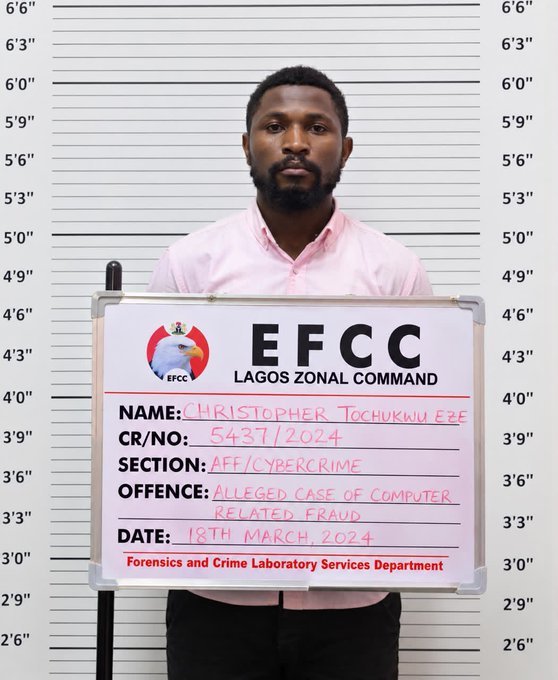
Court Jails Former Banker 39 Years Over N2.7bn Fraud Case
 news
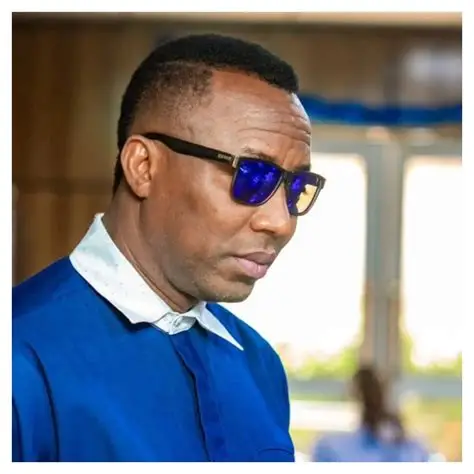
Sowore Accuses ARISE TV of False Report on Court Hearing with DSS
 news
Sowore Accuses ARISE TV of False Report on Court Hearing with DSS
 sport
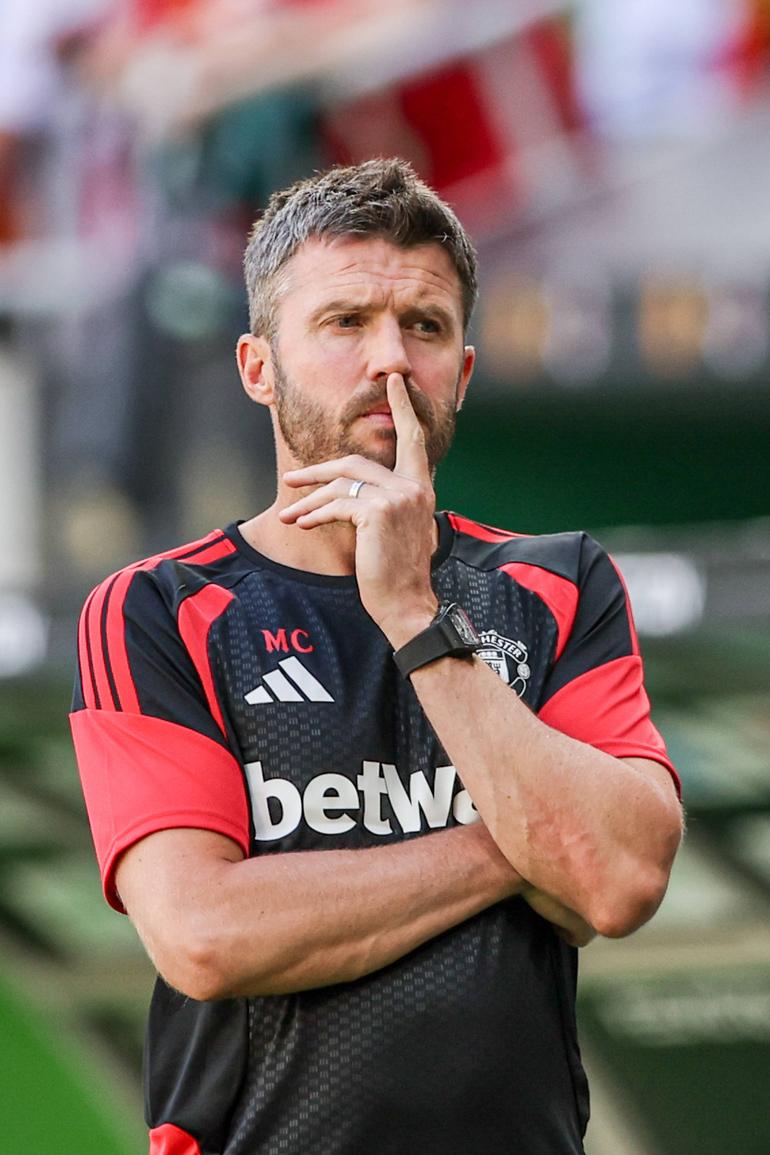
Manchester United Back Carrick with More Time Despite Mounting Pressure, Poor Form
 technology
MTN Insists “We’re Not Stealing Your Data” as Furious Customers Cry Foul Over Sudden Vanish
How do you feel about this news?
Community Additions
Have a news tip, correction, or extra context about this story? Post it below instantly. All submissions appear live on this screen immediately.