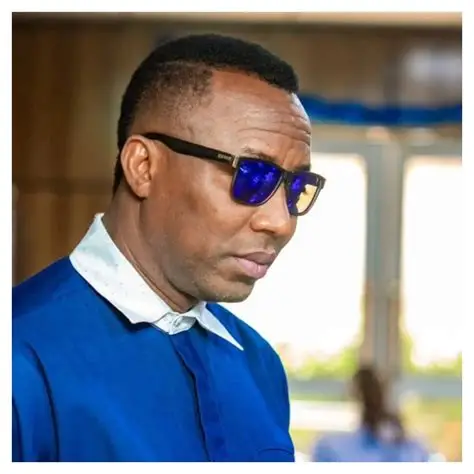
Sowore Stopped by Military Roadblock During Visit to Deadly NAF Plane Crash Site in Ondo
Igbokoda, Ondo State—October 9, 2026—Presidential hopeful Omoyele Sowore on Friday visited the site of the Nigerian Air Force ATR-42 aircraft crash in Igbokoda, Ilaje Local Government Area of Ondo State, only to be turned back by military personnel manning a roadblock at the entrance to the cordoned-off area.
In a video shared on his X account, the African Action Congress (AAC) candidate described the encounter:
“Today, I visited the crash site of the Nigerian Air Force military aircraft in Ondo State. At the entrance to the crash site, we encountered military personnel who had mounted a roadblock and cordoned off the area.
We exchanged greetings with the officers, acknowledged their presence and duties, and subsequently departed from the location.”
Sowore later posted another video showing him approaching the scene by Marine Police boat in an effort to personally assess the situation in the swampy, riverine terrain near the Naval Base.
The Crash That Shocked the Nation
The tragedy occurred on Monday, October 5, 2026, when the NAF ATR-42 aircraft (registration NAF 931 / NGR 931) crashed while on a routine mission from Benin City, Edo State, to Lagos. Air traffic controllers lost contact with the plane at approximately 9:13 a.m.
The wreckage was later located in a difficult mangrove swamp opposite the Naval Base in Igbokoda.
The Nigerian Air Force confirmed that all 25 people on board — five crew members and 20 passengers — perished.
There were no survivors. President Bola Tinubu declared three days of national mourning and ordered a thorough investigation.
The NAF released the names of the victims on October 6. The crew included Squadron Leader M.I. Aburime (Flight Captain), Squadron Leader A.P. Man-Ugwueje, and Flight Lieutenant I.S. Bako (co-pilots), along with two aircraft technicians. The passengers comprised serving Air Force personnel and a small number of civilians.
Recovery Challenges and Official Response
Recovery operations have proven extremely difficult due to the swampy terrain. Teams involving the Nigerian Navy,
Air Force, emergency responders, and specialized swamp buggies have been working to retrieve wreckage and remains. Large sections of the aircraft have gradually been brought ashore.
Chief of the Air Staff, Air Marshal Sunday Kelvin Aneke, visited the site on Thursday and ordered a high-level investigation involving both military and civilian aviation safety experts, including the Nigerian Safety Investigation Bureau.
He appealed for patience and warned against speculation while evidence is still being gathered.
Sowore’s Persistent Concerns
This was not Sowore’s first public intervention on the crash. On the day of the accident, he expressed deep sorrow and raised pointed questions about Nigeria’s emergency preparedness.
He highlighted the challenges of reaching difficult terrain quickly with the right equipment and called for dual investigations—one into the cause of the crash and another into the speed and effectiveness of the emergency response.
His visit on Friday appears to be a follow-up effort to see the recovery site for himself. While the military presence preventing free access is standard procedure at active crash investigation scenes, the episode has drawn attention to the tight security around the location four days after the disaster.
The crash ranks among Nigeria’s deadliest military aviation accidents in recent years. It has reignited national conversations about aircraft maintenance, emergency response capacity in challenging environments, and the need for transparent investigations that restore public confidence.
As recovery work continues and the formal probe gets underway, families of the 25 victims await answers, and the nation watches for lessons that can prevent future tragedies.
 news
Court Jails Former Banker 39 Years Over N2.7bn Fraud Case
 news
Sowore Accuses ARISE TV of False Report on Court Hearing with DSS
news Sowore Accuses ARISE TV of False Report on Court Hearing with DSS
 sport
Manchester United Back Carrick with More Time Despite Mounting Pressure, Poor Form
 technology
MTN Insists “We’re Not Stealing Your Data” as Furious Customers Cry Foul Over Sudden Vanish
How do you feel about this news?
Community Additions
Have a news tip, correction, or extra context about this story? Post it below instantly. All submissions appear live on this screen immediately.