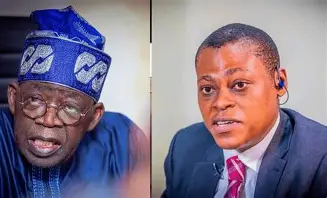
Oseni Rufai Knocks Tinubu for Shielding 1990s US Drug Records Ahead of 2027
Abuja, Nigeria—September 6, 2026—Popular broadcast journalist Oseni Rufai has publicly criticised President Bola Tinubu over ongoing legal moves in the United States to prevent the full release of historical law-enforcement records linked to a 1990s drug-trafficking investigation, framing the issue as a question of transparency ahead of the 2027 general elections.
In a widely circulated post on X, Rufai drew a sharp contrast between the two leading political figures. “A man sued for his records to be released. Another is suing for his record to be protected.
“Who should be honored!” he wrote, a statement widely interpreted as referring to Peter Obi and Tinubu respectively.
The Records at the Centre of the Controversy
The documents in question stem from a Freedom of Information Act (FOIA) lawsuit filed by American transparency activist Aaron Greenspan.
They relate to FBI and DEA files connected to a Chicago-based heroin-trafficking and money-laundering investigation in the early 1990s.
In 1993, a U.S. District Court ordered the civil forfeiture of $460,000 held in an account linked to Tinubu, with authorities alleging the funds were proceeds of narcotics trafficking or involved in money-laundering transactions.
Importantly, Tinubu was never arrested, indicted, or convicted of any criminal offence in connection with the matter.
His legal team and the Presidency have consistently maintained that the proceedings were purely civil and that he has no criminal record in the United States.
A 2003 letter from the U.S. Consulate in Lagos to Nigerian authorities confirmed no outstanding arrest records, warrants, or wants against him at the time.
Recent court filings, including a sworn FBI declaration submitted in late August 2026, have acknowledged that Tinubu was a subject of the investigation.
A U.S. District Judge had earlier ruled that agencies could no longer issue “Glomar” responses refusing to confirm or deny the existence of the records.
Tinubu’s lawyers have intervened in the proceedings, citing privacy protections under FOIA to keep portions of the files redacted.
Rufai’s Call for Transparency
Rufai, co-host on Arise Television, has previously argued that while privacy concerns are legitimate, Tinubu—as president—should consider waiving those rights in the interest of public accountability.
He has suggested that lingering questions will persist if the records remain heavily redacted.
Supporters of the president counter that the renewed focus is politically motivated, particularly with the 2027 elections approaching.
They note that opposition figures, including former Vice President Atiku Abubakar, have engaged U.S.-based lobbyists to push for fuller disclosure of the same files.
The Presidency has dismissed the campaign as an attempt to manufacture controversy from a decades-old civil matter.
Broader Political Implications
The exchange has reignited long-standing debates about the pasts of Nigeria’s leading politicians. Rufai’s framing positions transparency itself as a test of leadership character.
While Peter Obi’s camp has not issued a formal response to the latest post, the comparison has fuelled online discussions about which approach—aggressive protection of records or proactive disclosure—best serves democratic accountability.
As the FOIA case continues in Washington and Nigeria’s political temperature rises, the issue of historical records is likely to remain a flashpoint.
Whether fuller details eventually emerge, and how voters interpret them, could shape narratives well into the 2027 campaign season.
 politics
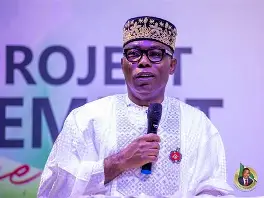
 Adebayo Challenges Tinubu: Where Is Subsidy Money? Come Out and Account for It
 politics
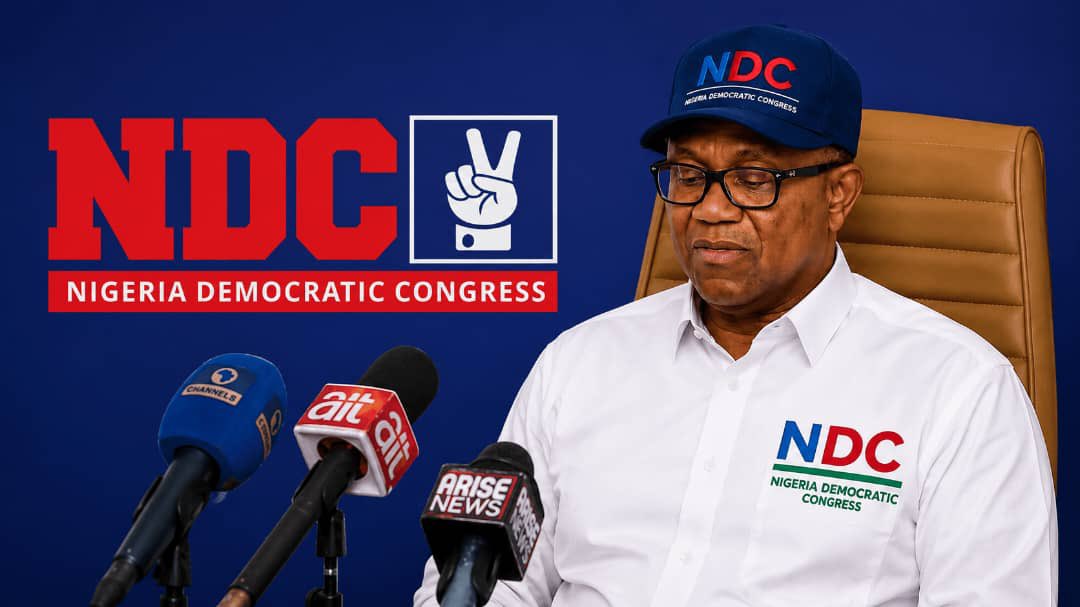
 NDC Wins Logo Battle as Abuja Court Orders INEC to Use Modified Design
 news
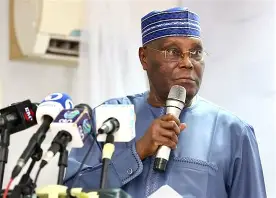
news Atiku Exposes Tinubu’s FAAC Scam: Bigger Naira, Poorer Nigerians
 news
news Police Arrest Hafsat Abubakar Over Fake Fintech Shutdown Document Circulated Online
 politics
 Sowore Declares Peter Obi Yelwata Blockade Government-Sponsored Political Attack
How do you feel about this news?
Community Additions
Have a news tip, correction, or extra context about this story? Post it below instantly. All submissions appear live on this screen immediately.