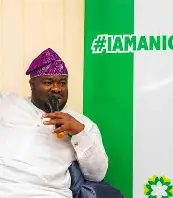
Nigerian Youth Prioritize Livelihood Over Governance, YPP Leader Owoyombo
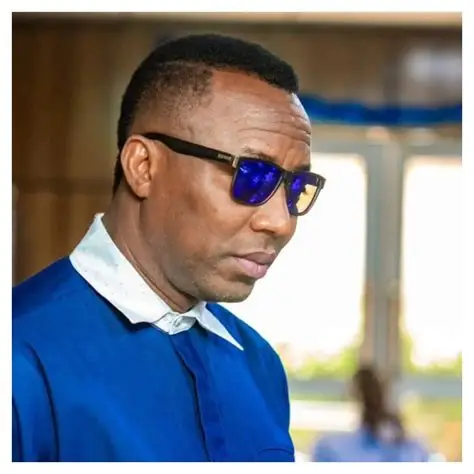
Lagos, September 5, 2026—Nigerian young people are far more preoccupied with daily survival and livelihood than abstract questions of governance, according to Gbenga Owoyombo, National Youth Leader of the Young Progressives Party (YPP).
Speaking on an ARISE News panel discussion titled “Setting Youth Agenda Ahead of 2027 Election,” Owoyombo painted a picture of a generation whose priorities have been shaped by hardship.
“The main things that should be in place are not there, and it now looks like the government is falling short,” he said. “The government must ensure that the people who vote for them also have the rights and opportunities they need by empowering them.”
He struck a measured tone, acknowledging effort while insisting more is required. “I feel the government is trying its best, but there is always room for improvement.”
A Generation Focused on Survival
Owoyombo’s comments land at a time when many Nigerian youth face persistent challenges around jobs, rising living costs and limited economic openings.
Surveys and reports over recent years have consistently shown that employment and the cost of living rank among the top concerns for young people, often ranking higher than political participation or institutional reform.
In the studio discussion, the YPP youth leader argued that when basic needs remain unmet, civic engagement and interest in governance naturally take a back seat.
Empowerment, in his view, means creating tangible pathways — jobs, skills, access to opportunities—that give young citizens a genuine stake in the system.
Context Ahead of 2027
The conversation forms part of broader national discussions about the role of youth in the lead-up to the 2027 general elections.
With Nigeria’s population heavily skewed toward the young, parties and commentators continue to debate how to move beyond rhetoric and deliver policies that address everyday realities.
Owoyombo, who has held youth leadership roles within the YPP, represents a smaller progressive party that positions itself as an alternative voice.
His remarks underline a recurring theme in Nigerian political discourse: that sustainable youth participation depends less on slogans and more on measurable improvements in living conditions.
Room for Improvement
While careful not to dismiss government efforts, Owoyombo’s assessment leaves little doubt about the gap that still exists.
For many young Nigerians navigating unemployment, inflation, and limited prospects, the daily struggle for livelihood remains the most urgent priority.
As the country moves closer to the next election cycle, voices like his highlight the challenge facing political leaders: translating promises into the kind of economic and social empowerment that can turn survival-focused youth into active, hopeful stakeholders in governance.
The panel conversation on ARISE News adds to an ongoing national conversation about how Nigeria’s large youth population can be better included—not only as voters, but as citizens whose basic needs and aspirations shape the country’s future.
 politics
 Adebayo Challenges Tinubu: Where Is Subsidy Money? Come Out and Account for It
 politics
 NDC Wins Logo Battle as Abuja Court Orders INEC to Use Modified Design
 news
news Atiku Exposes Tinubu’s FAAC Scam: Bigger Naira, Poorer Nigerians
 news
news Police Arrest Hafsat Abubakar Over Fake Fintech Shutdown Document Circulated Online
 politics
 Sowore Declares Peter Obi Yelwata Blockade Government-Sponsored Political Attack
How do you feel about this news?
Community Additions
Have a news tip, correction, or extra context about this story? Post it below instantly. All submissions appear live on this screen immediately.