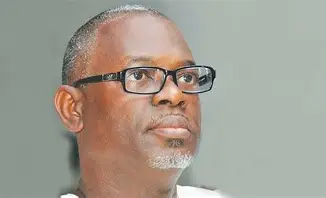
Osuntokun Faults Wike’s Aide for Snubbing Rufai Oseni, Calls It Bad Precedent
Lagos, September 4, 2026 — ARISE News Political Director Akin Osuntokun has criticized the manner in which Lere Olayinka, Senior Special Assistant on Public Communications and Social Media to FCT Minister Nyesom Wike, handled a heated exchange with journalist Rufai Oseni during a live interview on Friday.
Osuntokun, speaking on ARISE, said Olayinka was under no compulsion to appear or answer questions. Whether the invitation came from the station or the aide sought the platform himself, he remained free to choose what to say.
However, the way he conducted himself “was unfortunate and did little to strengthen his position.”
“The manner in which he spoke was unfortunate and did little to strengthen his position,” Osuntokun stated, warning that the approach sets a bad precedent for the aide himself.
How the On-Air Clash Unfolded
The confrontation erupted earlier on Friday during The Morning Show, co-anchored by Dr Reuben Abati, Rufai Oseni and Ayo Mairo-Ese.
Oseni asked Olayinka about the inclusion of former Humanitarian Affairs Minister Betta Edu in President Bola Tinubu’s 2027 campaign council despite lingering corruption allegations.
Instead of responding, Olayinka declared he would not take any questions from Oseni. He said he wanted the conversation limited to “reasonable human beings” and objected to Oseni’s previous use of the Yoruba term “gbewudani” to describe certain people.
Co-anchor Ayo Mairo-Ese immediately took exception, reminding Olayinka that guests on the programme are expected to engage all three anchors.
When he maintained his refusal, she ended the interview, thanking him for his time and noting that he would be welcome back only when ready to speak to the full panel.
Political Reactions and Broader Context
Special Adviser to President Tinubu on Policy Communication, Daniel Bwala, later defended Olayinka. He accused Oseni and Mairo-Ese of lacking objectivity and pushing the narrative of opposition figure Peter Obi, praising the Wike aide for “holding them to account.”
The episode has fuelled debate about media-politician relations, journalistic standards and the boundaries of live television interviews in Nigeria’s charged political climate ahead of 2027.
Osuntokun’s measured critique stands out for focusing less on the substance of the questions and more on the optics and long-term consequences of how public officials choose to engage—or refuse to engage—the press.
By framing Olayinka’s conduct as a self-inflicted setback, the political director underscored a simple reality of public communication: refusing a question may feel like control in the moment, but it often leaves the audience with more questions than answers.
As video clips of the exchange continue to circulate, both media practitioners and political aides are watching closely. In an era when every live appearance is instantly dissected online, the precedent Osuntokun warned about may already be taking shape.
 politics
 Adebayo Challenges Tinubu: Where Is Subsidy Money? Come Out and Account for It
 politics
 NDC Wins Logo Battle as Abuja Court Orders INEC to Use Modified Design
 news
news Atiku Exposes Tinubu’s FAAC Scam: Bigger Naira, Poorer Nigerians
 news
news Police Arrest Hafsat Abubakar Over Fake Fintech Shutdown Document Circulated Online
 politics
 Sowore Declares Peter Obi Yelwata Blockade Government-Sponsored Political Attack
How do you feel about this news?
Community Additions
Have a news tip, correction, or extra context about this story? Post it below instantly. All submissions appear live on this screen immediately.