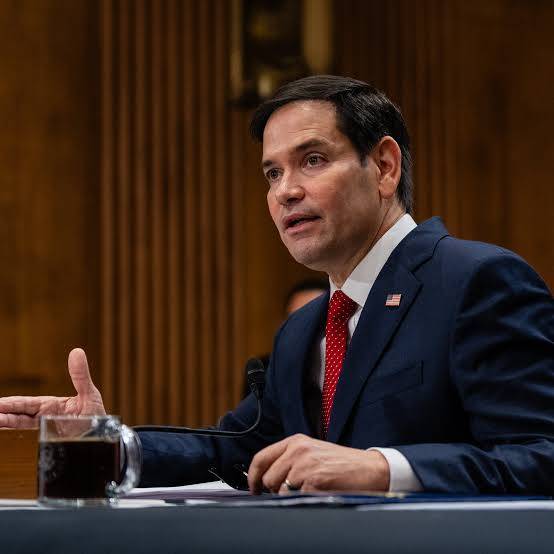
Rubio Tells Allies: No New Iran Strikes for Now as US Shifts to Economic Pressure
Washington, August 26, 2026 — U.S. Secretary of State Marco Rubio has informed several allied foreign ministers that the United States is not currently planning new military strikes against Iran, signaling a deliberate shift by the Trump administration toward intensified economic and maritime pressure.
According to sources familiar with the discussions who spoke to Axios, Rubio told counterparts that “for the time being” Washington’s focus is moving away from major combat operations.
Instead, the administration is emphasizing a naval blockade, newly announced sanctions, and efforts to keep oil flowing through the strategic Strait of Hormuz.
A Strategic Pause After Months of Conflict
The message comes nearly six months into a conflict that began with joint U.S.-Israeli strikes on Iran in late February 2026 under what Washington called Operation Epic Fury.
That campaign targeted Iran’s military infrastructure, missile capabilities, and related assets. Fragile ceasefires later collapsed, and tensions flared again in the summer.
U.S. officials say the recent clearance of mines from large parts of the Strait of Hormuz has reduced one of Iran’s key sources of leverage.
Oil tanker traffic through the waterway has increased, and the administration is working to push even more Iranian oil into global markets while tightening the economic squeeze.
This week the Treasury Department expanded sanctions targeting countries and entities that continue doing business with Iran. Treasury Secretary Scott Bessent has warned of “economic asphyxiation” for those who fail to fall in line.
Military Option Not Fully Closed
While Rubio made clear that a return to sustained large-scale strikes is not on the table at present, officials stressed that the United States has not ruled out military action if Iran attacks first.
One source indicated the current approach is expected to hold at least until after the November midterm elections, after which a renewed military campaign could again be considered.
The shift appears to reflect growing fatigue with the conflict at the highest levels of the administration and a preference for tools that avoid the costs and risks of further direct combat while still applying pressure on Tehran.
Broader Implications
Allies are watching closely. The combination of a naval blockade, secondary sanctions, and efforts to normalize shipping through the Strait of Hormuz aims to isolate Iran economically without immediately escalating the fighting.
At the same time, the explicit retention of a military response option serves as a deterrent against any Iranian first strike.
For global energy markets and regional partners, the coming weeks will test whether this calibrated approach can force meaningful concessions from Tehran or whether the fragile calm will once again give way to renewed confrontation.
 politics
 Adebayo Challenges Tinubu: Where Is Subsidy Money? Come Out and Account for It
 politics
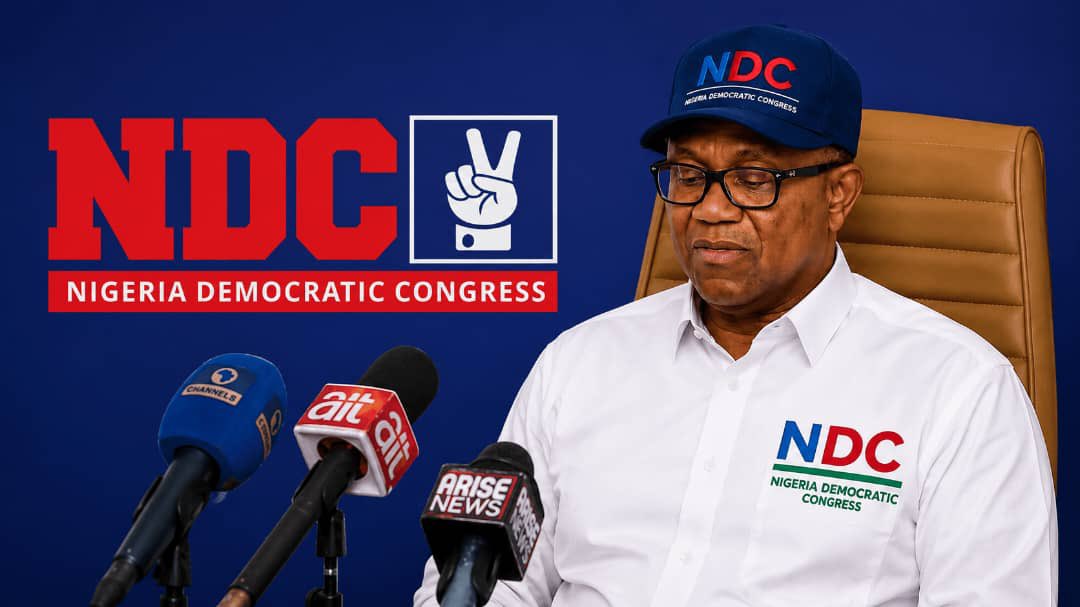
 NDC Wins Logo Battle as Abuja Court Orders INEC to Use Modified Design
 news
news Atiku Exposes Tinubu’s FAAC Scam: Bigger Naira, Poorer Nigerians
 news
news Police Arrest Hafsat Abubakar Over Fake Fintech Shutdown Document Circulated Online
 politics
 Sowore Declares Peter Obi Yelwata Blockade Government-Sponsored Political Attack
How do you feel about this news?
Community Additions
Have a news tip, correction, or extra context about this story? Post it below instantly. All submissions appear live on this screen immediately.