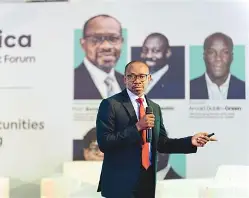
Poverty Remains Core Crisis Driving Nigeria’s Fuel Subsidy Debate, Says Economist
Lagos, August 24, 2026—Professor of Economics at the Lagos Business School, Bongo Adi, has described widespread poverty as the fundamental problem at the heart of Nigeria’s heated fuel subsidy debate, warning that the country has become the poverty capital of the world.
Speaking on ARISE News, Adi noted that whether measured by income or multidimensional indicators, the scale of deprivation remains deeply troubling.
“Everyone is preoccupied with the high rate of poverty,” he said. “About 165 million Nigerians are living below the poverty line, and that is a major cause for concern.”
His comments come amid renewed national discussion over the impact of the 2023 fuel subsidy removal and its lasting effects on household welfare.
Recent data from international institutions place Nigeria’s poverty rate at around 63 percent in 2026, with tens of millions of citizens struggling with rising costs of food, transport and energy.
Adi, a frequent commentator on economic policy, has previously argued that fuel subsidies historically benefited richer Nigerians and middle-class consumers more than the poorest.
Yet he has also stressed that the sharp rise in living costs following the subsidy removal has intensified hardship for ordinary families, calling at times for demand-side measures that put more money in people’s pockets or reduce the cost of energy and transport.
The professor’s latest intervention underscores a broader reality: while government officials point to fiscal savings and increased allocations to states since the subsidy was scrapped, many households continue to feel the pinch through higher prices for almost every essential item.
Critics argue that the gains from reform have not yet translated into meaningful relief for the majority of citizens living on the margins.
As Nigeria grapples with these competing narratives—fiscal discipline versus immediate welfare needs—Adi’s message is clear.
The debate over fuel subsidy cannot be separated from the deeper challenge of mass poverty that continues to define daily life for a large share of the population.
Policymakers, he suggests, must keep this human cost at the centre of any future decisions on energy pricing and social protection.
 politics
 Adebayo Challenges Tinubu: Where Is Subsidy Money? Come Out and Account for It
 politics
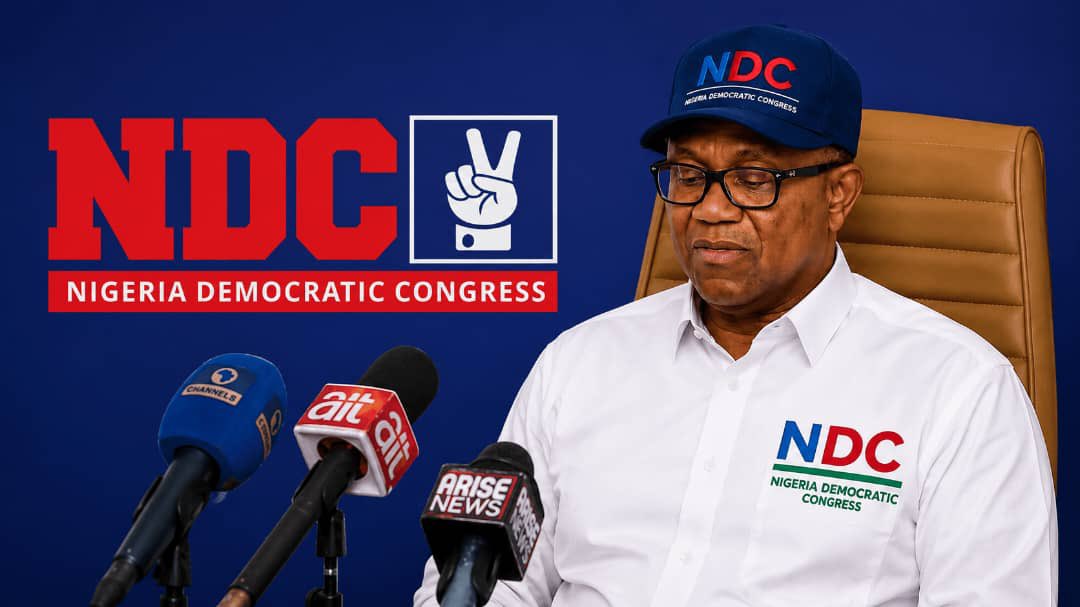
 NDC Wins Logo Battle as Abuja Court Orders INEC to Use Modified Design
 news
news Atiku Exposes Tinubu’s FAAC Scam: Bigger Naira, Poorer Nigerians
 news
news Police Arrest Hafsat Abubakar Over Fake Fintech Shutdown Document Circulated Online
 politics
 Sowore Declares Peter Obi Yelwata Blockade Government-Sponsored Political Attack
How do you feel about this news?
Community Additions
Have a news tip, correction, or extra context about this story? Post it below instantly. All submissions appear live on this screen immediately.