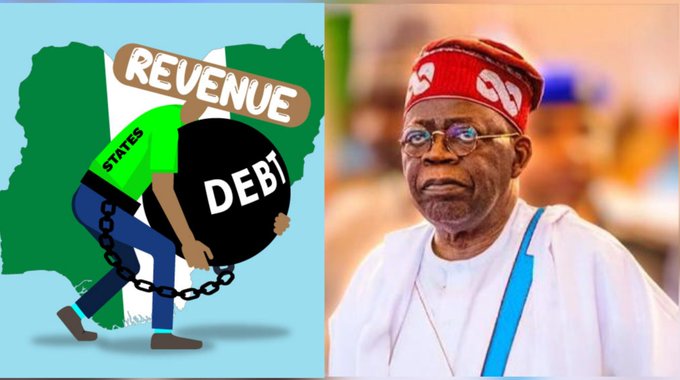
Tinubu Administration Draws Abu Dhabi Bank Loan to Refinance Expensive Debts Amid Asset Swap Secrecy
Abuja, August 20, 2026 — The Bola Tinubu-led Federal Government has taken a major $5 billion loan facility from First Abu Dhabi Bank (FAB) primarily to refinance more expensive existing debts, Finance Minister and Coordinating Minister of the Economy Taiwo Oyedele has confirmed, even as critics raise fresh questions over the opacity surrounding the complex asset-swap structure.
Oyedele disclosed the details on Wednesday during the presentation of the Nigeria Reform Scorecard in Abuja, explaining that the Total Return Swap (TRS) arrangement forms part of a wider $6 billion external borrowing package approved by the National Assembly on March 31, 2026.
Nigeria drew the first $1.5 billion tranche in June 2026, with further disbursements planned in phases.
Refinancing Costly Debts, Not Just New Spending
“The objective is to use it to refinance expensive debt so you can save money,” Oyedele stated.
He noted that some of Nigeria’s existing Eurobonds carry double-digit coupons, while current market yields have eased to around 7–7.5 percent.
The FAB facility, structured with a flexible interest rate (SOFR plus approximately 395–400 basis points), is expected to deliver a lower all-in cost than parts of the current debt portfolio.
The government deliberately designed the facility for gradual drawdowns.
“We’re assessing it in phases. You don’t want to take all the money at once. Because if you don’t spend it at once, you incur costs on the extra amount you’ve taken,” the minister explained.
Funds are earmarked for 2026 budget support, priority infrastructure and debt refinancing.
Under the TRS structure, Nigeria must pledge naira-denominated securities worth about 133.3 percent of the amount drawn as collateral. For the full $5 billion, this equates to roughly $6.65 billion in collateral.
Transparency Concerns Persist
Despite the National Assembly’s approval, the arrangement has drawn scrutiny from the International Monetary Fund and Fitch Ratings, which have flagged risks around transparency, foreign-exchange exposure, and the complexity of derivative-based financing that can fall outside conventional debt reporting.
Oyedele insisted there was “nothing special” about the loan and said the government would publish information on how public funds are spent.
He added that the Ministry of Finance and the Debt Management Office would release frequently asked questions on the transaction.
However, he declined to provide detailed project-by-project breakdowns specific to the FAB facility, arguing it should not be treated differently from other borrowings.
Rising Debt Pressures
Nigeria’s public debt stood at approximately $110.97 billion (₦159.27 trillion) by the end of 2025, with debt-service costs consuming over 80 percent of federal revenues in some periods.
The Tinubu administration has continued to rely on external financing while arguing that strategic refinancing and structural reforms will ultimately ease the burden.
As the remaining tranches of the $5 billion facility are expected to be drawn in coming months, public attention is likely to remain fixed on whether the promised cost savings materialize and whether fuller disclosure of the asset-swap mechanics and end-use of the funds will be provided.
The government maintains the deal is an efficient tool for managing Nigeria’s debt profile; skeptics continue to demand greater transparency.
 politics
 Adebayo Challenges Tinubu: Where Is Subsidy Money? Come Out and Account for It
 politics
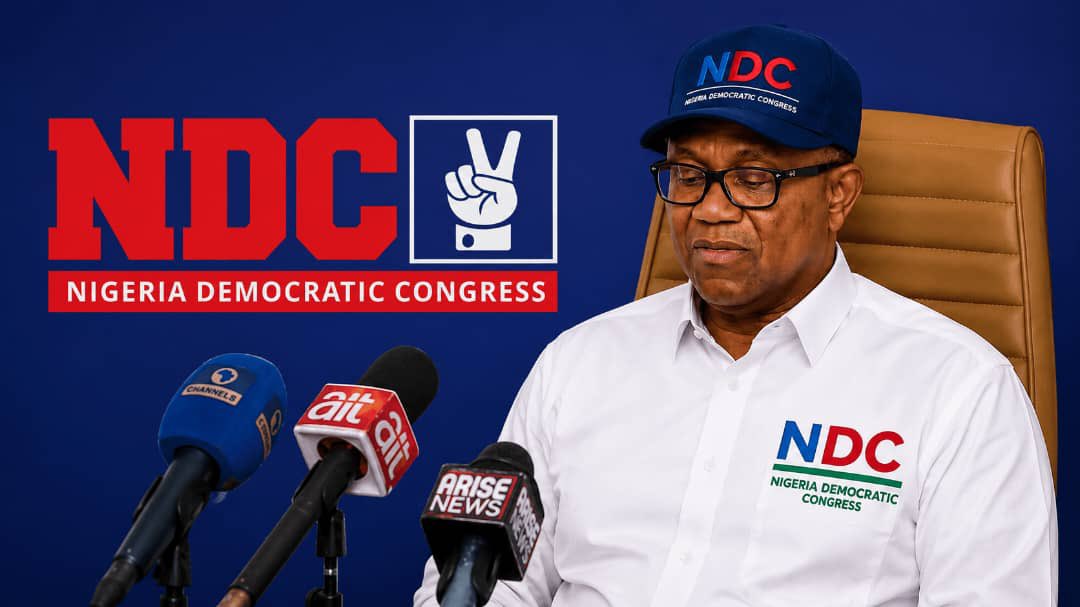
 NDC Wins Logo Battle as Abuja Court Orders INEC to Use Modified Design
 news
news Atiku Exposes Tinubu’s FAAC Scam: Bigger Naira, Poorer Nigerians
 news
news Police Arrest Hafsat Abubakar Over Fake Fintech Shutdown Document Circulated Online
 politics
 Sowore Declares Peter Obi Yelwata Blockade Government-Sponsored Political Attack
How do you feel about this news?
Community Additions
Have a news tip, correction, or extra context about this story? Post it below instantly. All submissions appear live on this screen immediately.