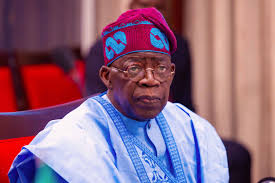
Judge Crushes Tinubu’s Extension Plea as Drug Trafficking Records Deadline Tightens
Abuja / Washington – August 19, 2026 — Nigerian President Bola Ahmed Tinubu has formally joined a request by the United States Department of Justice for a 10-day extension in a high-profile Freedom of Information Act (FOIA) case seeking the release of records linked to decades-old drug-trafficking allegations, according to court filings publicized by a Washington-based lobbying firm.
The development has intensified scrutiny of a legal battle that has stretched for more than three years and centres on historical US investigations from the late 1980s and early 1990s.
Court Filing and Judge’s Response
Tinubu’s legal team filed a notice of joinder in the US District Court for the District of Columbia, aligning with the Justice Department’s motion for additional time to respond to a motion for summary judgment. The lawyers stated they wanted the responses to remain on the same schedule.
US District Judge Beryl A. Howell, who has overseen the case, rejected the full 10-day extension.
Reports indicate she granted a shorter period, setting a new deadline of August 21, 2026, and noting that the litigation has already been pending for over three years.
The lawsuit, Aaron Greenspan v. Executive Office for U.S. Attorneys, et al., was brought by American transparency activist Aaron Greenspan.
It seeks records from agencies including the FBI, Drug Enforcement Administration (DEA) and others relating to past investigations that named Tinubu in connection with a 1993 civil forfeiture action involving alleged heroin proceeds.
Tinubu has consistently denied any wrongdoing and was never charged or convicted in the matter.
Lobbying Firm’s Allegations
The Washington firm Von Batten-Montague-York, L.C., which has been retained by former Nigerian Vice President Atiku Abubakar and has actively pushed for disclosure of the records, obtained and publicized Tinubu’s filing.
The firm alleged that the extension request was intended to create time for lobbying efforts in Washington.
According to the firm, the delay could be used to approach allies, including figures close to President Donald Trump, with arguments that public release of the files would harm US-Nigeria relations and undermine cooperation on counter-terrorism and efforts to address violence against Christians in northern Nigeria.
The firm also warned that any improper interference in the judicial or FOIA process should be exposed.
These claims represent the firm’s interpretation and have not been confirmed by Tinubu’s representatives or the Nigerian government in the available reports.
The records in question stem from a 1993 US civil forfeiture case in which investigators alleged that proceeds from a heroin trafficking organization were linked to certain bank accounts. Tinubu’s name appeared in related government filings from that era, but no criminal prosecution followed.
The FOIA case has seen earlier court orders directing agencies to process responsive non-exempt records after rejecting blanket “neither confirm nor deny” responses.
The lobbying firm has separately distributed materials related to the historical case to members of the Trump administration and Congress.
As the August 21 deadline approaches, attention remains focused on whether the long-sought documents will finally be released and what, if anything, they contain.
The episode underscores the intersection of historical US legal records, contemporary Nigerian politics, and bilateral relations at a sensitive moment.
Tinubu’s presidency has faced repeated political attacks over the old allegations, which he and his supporters have dismissed as recycled and unproven claims.
The coming days will test how the US court process balances transparency demands with the practical realities of long-running FOIA litigation.
 politics
 Adebayo Challenges Tinubu: Where Is Subsidy Money? Come Out and Account for It
 politics
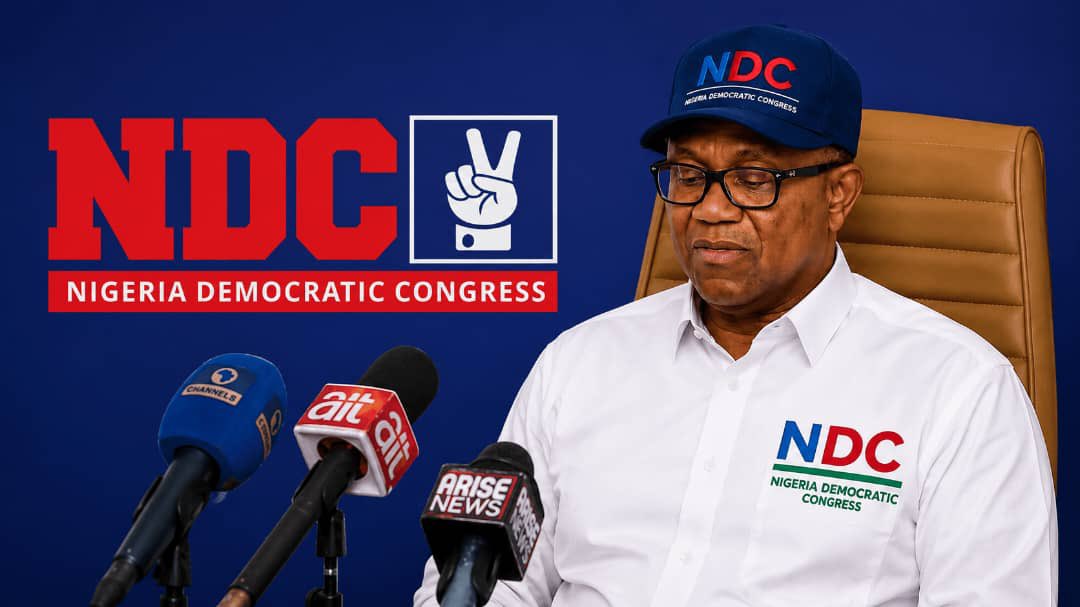
 NDC Wins Logo Battle as Abuja Court Orders INEC to Use Modified Design
 news
news Atiku Exposes Tinubu’s FAAC Scam: Bigger Naira, Poorer Nigerians
 news
news Police Arrest Hafsat Abubakar Over Fake Fintech Shutdown Document Circulated Online
 politics
 Sowore Declares Peter Obi Yelwata Blockade Government-Sponsored Political Attack
How do you feel about this news?
Community Additions
Have a news tip, correction, or extra context about this story? Post it below instantly. All submissions appear live on this screen immediately.