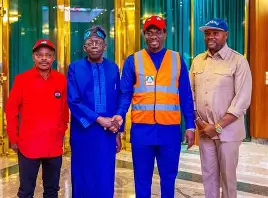
NLC Demands ₦500,000 Minimum Wage as Current ₦70,000 Fails Workers
Birnin Kebbi / Abuja – August 8, 2026 — Nigeria’s largest labor union has formally opened a new front in the struggle for better pay, declaring that the current ₦70,000 national minimum wage can no longer sustain workers and demanding a dramatic upward review to at least ₦500,000.
The call was made at the Nigeria Rights of Workers Summit held in Birnin Kebbi, Kebbi State, where Nigeria Labour Congress (NLC) Deputy President Audu Titus Amba, representing NLC President Joe Ajaero, told delegates that the existing wage arrangement had been overtaken by economic realities.
“Anything less than ₦500,000 cannot cater for workers. The current minimum wage is due for review, and we will soon begin negotiations with the government,” Amba said.
The ₦70,000 minimum wage was signed into law by President Bola Tinubu in July 2024 after months of tense negotiations that raised the previous floor from ₦30,000.
At the time, it represented a significant increase. Two years later, labour leaders argue that persistent inflation, rising food prices, transport costs and housing expenses have wiped out the gains.
Business Insider Africa notes that the current wage is worth roughly $51, while the labour demand of ₦500,000 equates to about $365 — a more than 600 per cent jump.
Nigeria’s minimum wage remains among the lowest in Africa when compared with peers such as Kenya, South Africa and Mauritius.
The Trade Union Congress (TUC) joined the NLC in supporting the demand, stressing that workers’ purchasing power has been severely eroded.
Amba was careful to emphasize that organized labor is not seeking confrontation with the Federal Government. Instead, the unions want a structured renegotiation process involving government, labour and employers—the traditional tripartite arrangement.
Kebbi State Governor Nasir Idris, who hosted the summit, pledged support. He reminded participants that he was among the first governors to implement a higher state wage of ₦75,000 and promised to champion improved remuneration for workers at the Nigeria Governors’ Forum.
The current minimum wage law shortened the statutory review cycle from five years to three, meaning the next formal negotiation window has effectively opened.
Both labour and some government figures, including Chief of Staff Femi Gbajabiamila earlier this year, have acknowledged that the ₦70,000 figure no longer reflects prevailing economic conditions.
As talks loom, the gap between labor’s ₦500,000 demand and what federal and state governments can realistically afford is expected to dominate the coming months.
For ordinary Nigerian workers struggling to feed their families and keep a roof over their heads, the outcome will determine whether their salaries can once again keep pace with the cost of living.
 politics
 Adebayo Challenges Tinubu: Where Is Subsidy Money? Come Out and Account for It
 politics
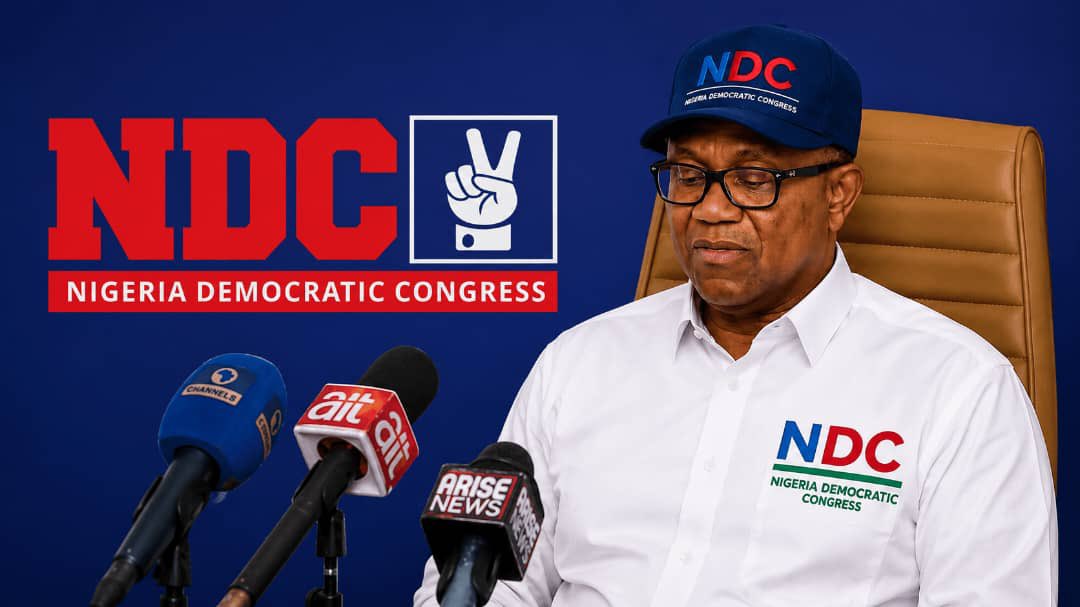
 NDC Wins Logo Battle as Abuja Court Orders INEC to Use Modified Design
 news
news Atiku Exposes Tinubu’s FAAC Scam: Bigger Naira, Poorer Nigerians
 news
news Police Arrest Hafsat Abubakar Over Fake Fintech Shutdown Document Circulated Online
 politics
 Sowore Declares Peter Obi Yelwata Blockade Government-Sponsored Political Attack
How do you feel about this news?
Community Additions
Have a news tip, correction, or extra context about this story? Post it below instantly. All submissions appear live on this screen immediately.