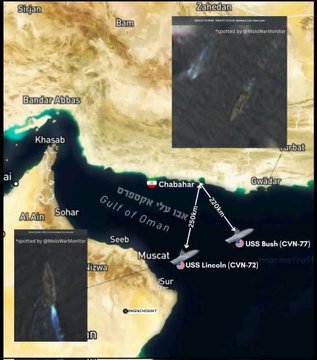
“Accept Our Conditions or Hormuz Remains Shut,” Revolutionary Guard Tells America
Tehran / Region – August 8, 2026 — Iran’s Islamic Revolutionary Guard Corps (IRGC) has declared that any full reopening of the strategic Strait of Hormuz depends on the United States accepting Tehran’s conditions, and is not tied to ongoing negotiations with Oman.
In a statement reported by Al Jazeera and other outlets on Saturday, the IRGC emphasised that progress in bilateral discussions with Muscat over shipping routes does not automatically translate into free navigation through the vital waterway.
Conditions Tied Directly to Washington
The Guards linked the resumption of normal commercial traffic to an end to what they describe as U.S. military interference, naval actions and broader pressure on Iran. Officials have repeatedly warned that continued American involvement in redirecting ships or challenging Iranian-designated routes will draw a “crushing response.”
According to recent IRGC assessments, transit capacity under Iranian supervision has recovered to roughly half of pre-war levels in recent weeks.
Vessels are required to obtain permits and follow routes designated by Tehran. Traffic outside those corridors remains highly restricted and, in some cases, subject to interdiction.
Oman Talks Proceed, But Limited Impact
Iran and Oman have advanced discussions on the geographical coordinates of potential safe shipping channels through the strait.
Iranian Foreign Ministry officials have described these talks as progressing, with some reports of agreement on route coordinates and possible joint management arrangements.
However, both the Foreign Ministry and the IRGC have stressed that even a finalized understanding with Oman would not make the waterway fully secure or open while U.S. naval activities and the blockade of Iranian ports continue.
Tehran has rejected any arrangement that would create parallel corridors or dilute what it claims as its primary authority over the waterway.
Strategic Stakes Remain High
The Strait of Hormuz, through which a significant portion of the world’s oil and liquefied natural gas traditionally passed, has been at the centre of the conflict that erupted in late February 2026.
Control of the waterway has become a core element of Iran’s leverage in negotiations and a flashpoint for repeated military exchanges with U.S. forces.
While U.S. officials and regional partners continue to push for unrestricted freedom of navigation, Iranian hardliners, particularly within the IRGC, view recognition of Tehran’s role in managing the strait as a non-negotiable outcome of the current confrontation.
As diplomatic efforts with Oman continue and military posturing persists on both sides, the IRGC’s latest message leaves little ambiguity: full commercial reopening of the Strait of Hormuz remains conditional on Washington meeting Iran’s stated demands.
 politics
 Adebayo Challenges Tinubu: Where Is Subsidy Money? Come Out and Account for It
 politics
 NDC Wins Logo Battle as Abuja Court Orders INEC to Use Modified Design
 news
news Atiku Exposes Tinubu’s FAAC Scam: Bigger Naira, Poorer Nigerians
 news
news Police Arrest Hafsat Abubakar Over Fake Fintech Shutdown Document Circulated Online
 politics
 Sowore Declares Peter Obi Yelwata Blockade Government-Sponsored Political Attack
How do you feel about this news?
Community Additions
Have a news tip, correction, or extra context about this story? Post it below instantly. All submissions appear live on this screen immediately.