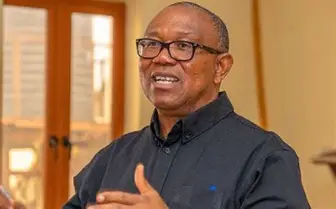
Obi: 24-Hour Electricity in Four Years Is Impossible
Abuja, Nigeria – July 27, 2026 — In a rare display of political candor, Peter Obi, presidential candidate of the Nigeria Democratic Congress (NDC) for the 2027 general election, has ruled out promising Nigerians nationwide 24-hour electricity within four years, describing such an assurance as “impossible.”
Speaking during a Sunday night interview on Channels Television’s Politics Today, the former Anambra State governor said improving electricity supply would remain a top priority of his administration if elected, but he refused to make what he called empty campaign promises that previous leaders had failed to keep.
“I will not tell Nigerians I am going to give them reliable, stable 24-hour electricity within four years; it is impossible,” Obi stated firmly.
He explained that constructing a power plant typically takes about four years, while upgrading transmission infrastructure also requires several years of sustained work.
Instead of the familiar “24-hour power” slogan that has featured in successive campaigns, Obi outlined a measurable goal: increasing Nigeria’s electricity generation, transmission, and distribution from the current level of roughly 4,000 megawatts to at least 10,000 megawatts within four years.
He emphasized that the country is already generating more than it can effectively transmit and distribute, pointing to systemic bottlenecks rather than a simple shortage of installed capacity.
Obi proposed a multi-pronged approach that includes embedded generation, off-grid and mini-grid solutions, and scaling successful private-sector models such as the Geometric Power plant in Aba across more locations.
“We will be able to generate more than 10,000, transmit and distribute that,” he said, stressing that the work would involve a variety of practical, proven methods rather than grand but unachievable declarations.
Nigeria’s power sector has long been a source of national frustration. With a population exceeding 200 million, the country continues to struggle with frequent grid collapses, limited access for tens of millions of citizens, and heavy reliance on expensive diesel generators by businesses and households.
Obi’s remarks come against the backdrop of earlier campaign pledges by other politicians, including President Bola Tinubu’s 2022 promise of steady electricity within four years.
Critics have repeatedly pointed to the gap between those promises and the persistent reality of unreliable supply.
By openly rejecting the 24-hour target, Obi appears to be positioning himself as a candidate focused on achievable milestones rather than populist rhetoric.
Supporters have welcomed the honesty, describing it as a refreshing departure from the cycle of over-promising that has characterized Nigerian politics for decades.
Some critics, however, argue that even the 10,000 MW target may prove ambitious without deeper structural reforms in the sector.
As the 2027 presidential race gathers momentum, Obi’s stance on electricity could become a defining feature of his campaign.
It signals a deliberate attempt to manage expectations while still offering a concrete improvement target that, if met, would more than double current operational capacity.
Whether voters will reward this measured approach or continue to demand the familiar language of “light for all” remains to be seen.
For now, the NDC candidate has drawn a clear line: he will not promise what he believes cannot be delivered in a single four-year term.
 politics
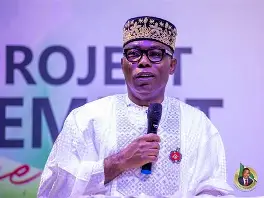
 Adebayo Challenges Tinubu: Where Is Subsidy Money? Come Out and Account for It
 politics
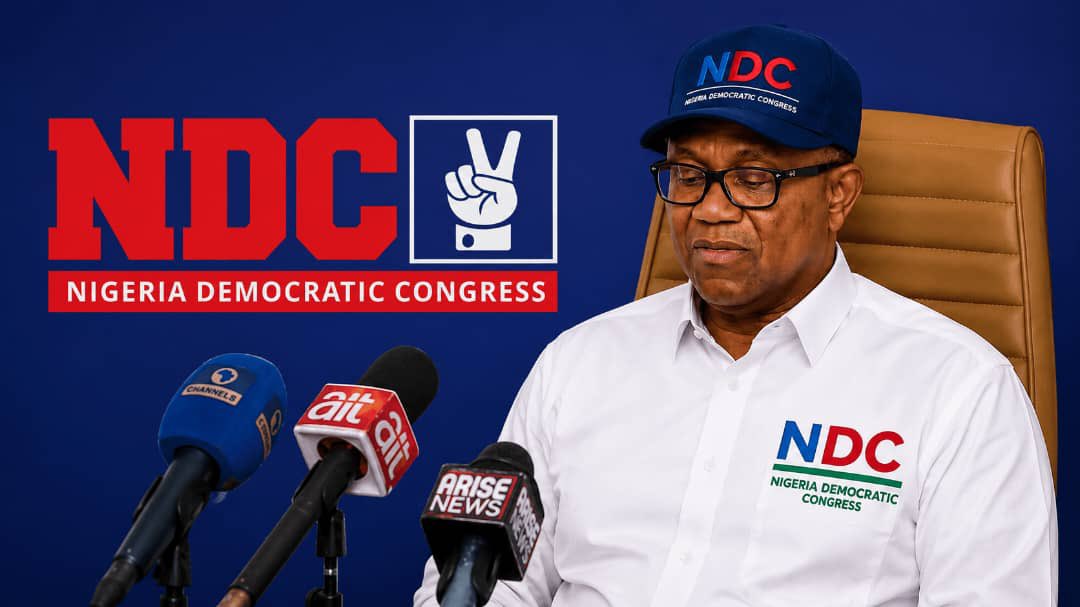
 NDC Wins Logo Battle as Abuja Court Orders INEC to Use Modified Design
 news
news Atiku Exposes Tinubu’s FAAC Scam: Bigger Naira, Poorer Nigerians
 news
news Police Arrest Hafsat Abubakar Over Fake Fintech Shutdown Document Circulated Online
 politics
 Sowore Declares Peter Obi Yelwata Blockade Government-Sponsored Political Attack
How do you feel about this news?
Community Additions
Have a news tip, correction, or extra context about this story? Post it below instantly. All submissions appear live on this screen immediately.