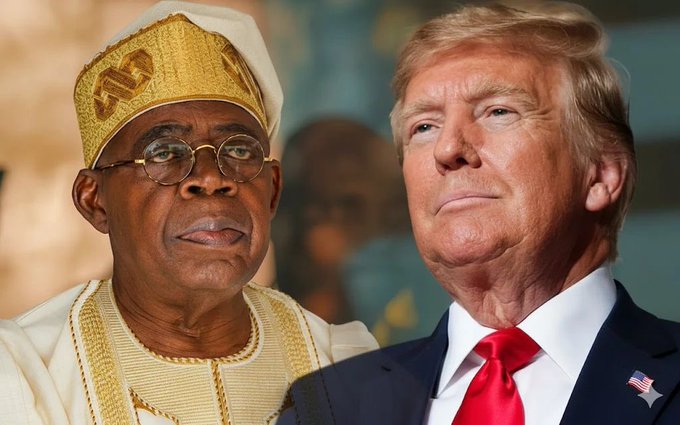
US Officials Deny Trump Letter Praising Tinubu on Terror
Abuja, Nigeria – July 25, 2026—A fresh political storm has erupted after reports emerged that United States government officials have denied claims that President Donald Trump or any member of his Cabinet sent a letter of appreciation to Nigerian President Bola Tinubu regarding the country’s fight against terrorism.
The development follows the Nigerian presidency’s recent release of the text of a purported letter dated July 6, 2026, in which Trump was said to have praised Tinubu’s “decisive leadership” in tackling insecurity, particularly violence affecting Christian communities, and reaffirmed US support under a 2026 Defence Cooperation Roadmap.
Presidential Special Adviser Bayo Onanuga made the letter public on July 22, presenting it as a response to earlier correspondence from Tinubu.
In the quoted text, Trump reportedly thanked the Nigerian leader, highlighted joint security efforts including intelligence sharing and training, and described it as “a true honour” to stand with Nigeria against terrorists.
Nigerian officials, including the Minister of State for Foreign Affairs, portrayed the correspondence as validation of improved security collaboration and the efforts of the Armed Forces.
However, the release quickly drew scrutiny. Critics pointed out that only the text was shared — without a scanned original, White House letterhead, official seal, or signature — unlike verified presidential letters such as one previously sent to Argentine President Javier Milei.
US political strategist and lobbyist Karl Von Batten, whose firm has been linked to opposition figures, publicly questioned the document.
He highlighted the 16-day delay in its release and suggested it may have been timed amid other sensitive matters involving the Tinubu administration.
Von Batten and others have called for the original signed letter to be produced, noting the absence of independent White House confirmation.
Opposition groups, including the Allied Peoples Movement (APM) and the African Democratic Congress (ADC), accused the Presidency of overstating or misrepresenting the letter’s content for political gain.
They argued that even if genuine, it amounted to standard diplomatic language rather than a strong endorsement of performance against terrorism.
The episode comes against a complex backdrop. Earlier, the Trump administration had voiced sharp criticism over insecurity in Nigeria, including concerns about violence targeting Christian communities, and had taken steps such as designating Nigeria a Country of Particular Concern for religious freedom.
At the same time, cooperation has expanded in areas of counter-terrorism training, intelligence sharing, and joint operations.
As of the latest reports, no official statement from the White House or US State Department has publicly confirmed or fully detailed the letter in question, leaving the denial claims circulating widely on social media and among political actors.
The controversy has fueled heated debate online and offline. Supporters of the administration see the letter as evidence of strengthening international partnerships.
Critics view the handling of the document as another example of opacity and question its use for domestic political messaging ahead of future electoral contests.
For ordinary Nigerians grappling with insecurity in various regions, the back-and-forth over diplomatic correspondence risks overshadowing the more urgent need for tangible improvements in safety and governance.
Independent verification from US authorities remains key to resolving the dispute. Until then, the episode underscores the intense scrutiny surrounding any claims of foreign endorsement in Nigeria’s polarized political climate.
 politics
 Adebayo Challenges Tinubu: Where Is Subsidy Money? Come Out and Account for It
 politics
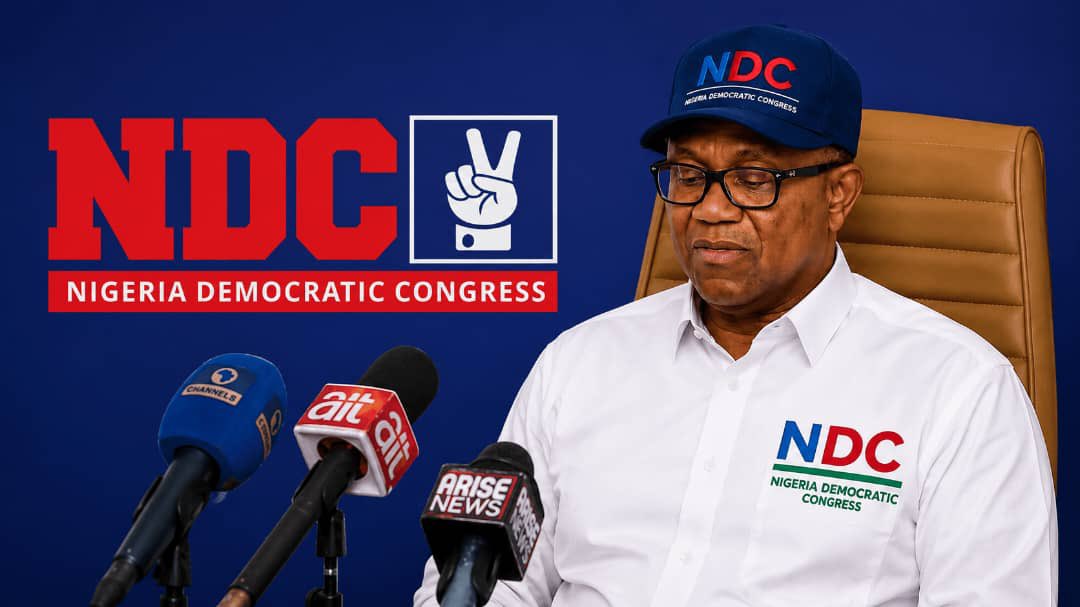
 NDC Wins Logo Battle as Abuja Court Orders INEC to Use Modified Design
 news
news Atiku Exposes Tinubu’s FAAC Scam: Bigger Naira, Poorer Nigerians
 news
news Police Arrest Hafsat Abubakar Over Fake Fintech Shutdown Document Circulated Online
 politics
 Sowore Declares Peter Obi Yelwata Blockade Government-Sponsored Political Attack
How do you feel about this news?
Community Additions
Have a news tip, correction, or extra context about this story? Post it below instantly. All submissions appear live on this screen immediately.