House Passes Tinubu’s State Police Bill: Historic Reform Heads to States
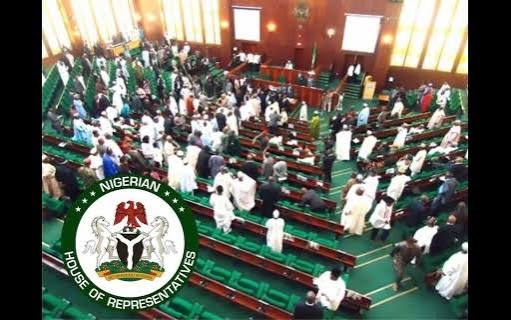
Abuja, Nigeria—July 24, 2026—In a landmark legislative move, the House of Representatives has passed President Bola Tinubu’s Executive Bill seeking to establish State Police across Nigeria, marking a significant step toward overhauling the country’s long-centralized security architecture.
The bill, which aims to amend the 1999 Constitution, was approved during Thursday’s plenary session after lawmakers opted for the executive version over an earlier House proposal.
It now advances to the 36 State Houses of Assembly, where it requires endorsement from at least 24 states (two-thirds) to proceed further in the constitutional amendment process.
A Response to Enduring Security Challenges
Proponents argue that State Police will bring policing closer to the people, enabling faster local responses, better community intelligence, and more effective tackling of region-specific threats like banditry, kidnapping, and insurgency.
Deputy Speaker Benjamin Kalu and other supporters described the reform as essential for enhancing coordination between federal and sub-national forces while addressing the overstretched nature of the federal Nigeria Police Force.
The development comes against a backdrop of persistent insecurity that has strained national resources and public confidence.
Many Nigerians and analysts have long advocated for decentralization, pointing to successful models in other federal systems where local forces better understand terrain, culture, and community dynamics.
Safeguards and Lingering Concerns
The bill reportedly includes provisions for oversight mechanisms, accountability frameworks, and federal standards to guide state operations.
Governors would gain authority to appoint State Police Commissioners, subject to legislative and other checks designed to prevent abuse.
However, the passage was not without drama. Some minority caucus members walked out, protesting the procedure and perceived lack of thorough debate.
Critics nationwide worry about potential politicization, risks of governors weaponizing local forces against opponents, funding challenges for poorer states, and possible exacerbation of ethnic or regional tensions.
Path Forward and National Implications
For the bill to become law, it must also receive Senate alignment if not already harmonized, followed by the required state approvals and presidential assent.
If successful, it would represent one of the most consequential constitutional changes in Nigeria’s Fourth Republic, fundamentally reshaping the balance between federal and state powers on security matters.
As the bill moves to the states, governors, lawmakers, and citizens will scrutinize its details—balancing hopes for improved safety against fears of abuse.
The coming weeks could prove decisive in determining whether Nigeria finally decentralizes its police system after decades of debate.
This reform arrives at a critical juncture, offering both promise and peril as the nation grapples with how best to secure lives and property in a complex, diverse federation.
 politics
 Adebayo Challenges Tinubu: Where Is Subsidy Money? Come Out and Account for It
 politics
 NDC Wins Logo Battle as Abuja Court Orders INEC to Use Modified Design
 news
news Atiku Exposes Tinubu’s FAAC Scam: Bigger Naira, Poorer Nigerians
 news
news Police Arrest Hafsat Abubakar Over Fake Fintech Shutdown Document Circulated Online
 politics
 Sowore Declares Peter Obi Yelwata Blockade Government-Sponsored Political Attack
How do you feel about this news?
Community Additions
Have a news tip, correction, or extra context about this story? Post it below instantly. All submissions appear live on this screen immediately.