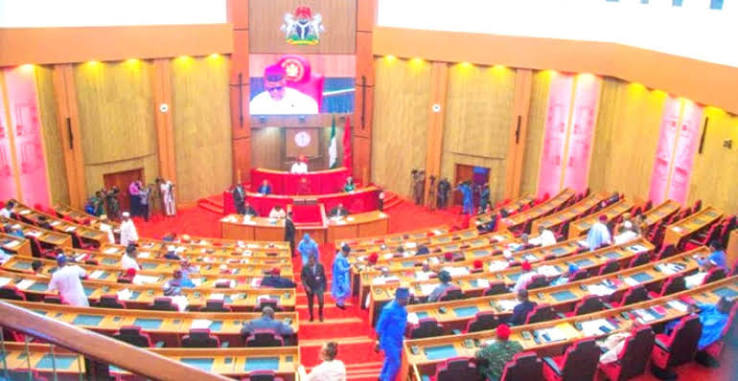
Social Media Shutdown Bill: ADC, SERAP Accuse Tinubu Govt of Silencing Critics Pre-2027
Abuja, Nigeria – July 23, 2026 — A controversial bill mandating social media giants and local bloggers to establish physical offices in Nigeria has ignited fierce debate, with opposition voices accusing the APC-led National Assembly of attempting to muzzle dissent and control online narratives as the 2027 elections approach.
The proposed legislation, which seeks to amend the Nigeria Data Protection Act 2023, requires platforms like Facebook, X (formerly Twitter), Instagram, WhatsApp, YouTube, and TikTok to set up verifiable physical offices in the country or face potential bans.
Bloggers would also need local offices, employee records, and membership in a recognized national association.
Bolaji Abdullahi, Spokesperson for the African Democratic Congress (ADC), minced no words in condemning the bill.
“A government that is confident in its record does not spend its time looking for new ways to control where Nigerians can speak,” he stated, describing the proposal as a “Social Media Shutdown Bill” that reveals deep insecurity within the Tinubu administration.
Abdullahi argued that fearful governments routinely reach for censorship disguised as regulation.
“This bill deserves to be rejected by all Nigerians, not because it threatens social media companies, but because it threatens every Nigerian’s right to speak freely,” he added.
The Socio-Economic Rights and Accountability Project (SERAP) has echoed these concerns, urging the National Assembly to withdraw the bill or face legal action.
SERAP views it as a backdoor resurrection of previously rejected “social media bills” that aimed to restrict online freedoms.
Proponents, including sponsors like Senator Ned Nwoko, maintain that the bill promotes accountability, data protection, tax compliance, and local economic benefits.
Nigeria boasts one of the world’s largest social media user bases, yet major platforms operate without physical presence, complicating grievance redress, legal enforcement, and revenue collection.
Similar requirements exist in other jurisdictions, and supporters argue Nigeria—a digital powerhouse—deserves the same level of engagement from global tech firms.
This development occurs against a backdrop of ongoing efforts to harmonize Nigeria’s digital policies.
The government recently suspended enforcement of overlapping internet platform rules to develop a unified framework, highlighting tensions between innovation, safety, and control in the digital space.
Civil society groups worry the bill could chill free expression, harm the digital economy, and set dangerous precedents for content regulation, especially with elections on the horizon.
As the bill advances, Nigerians from all walks of life are watching closely. Will lawmakers prioritize genuine regulation and economic fairness, or will fears of suppression prevail? The outcome could define the future of online freedoms in Africa’s largest democracy.
 politics
 Adebayo Challenges Tinubu: Where Is Subsidy Money? Come Out and Account for It
 politics
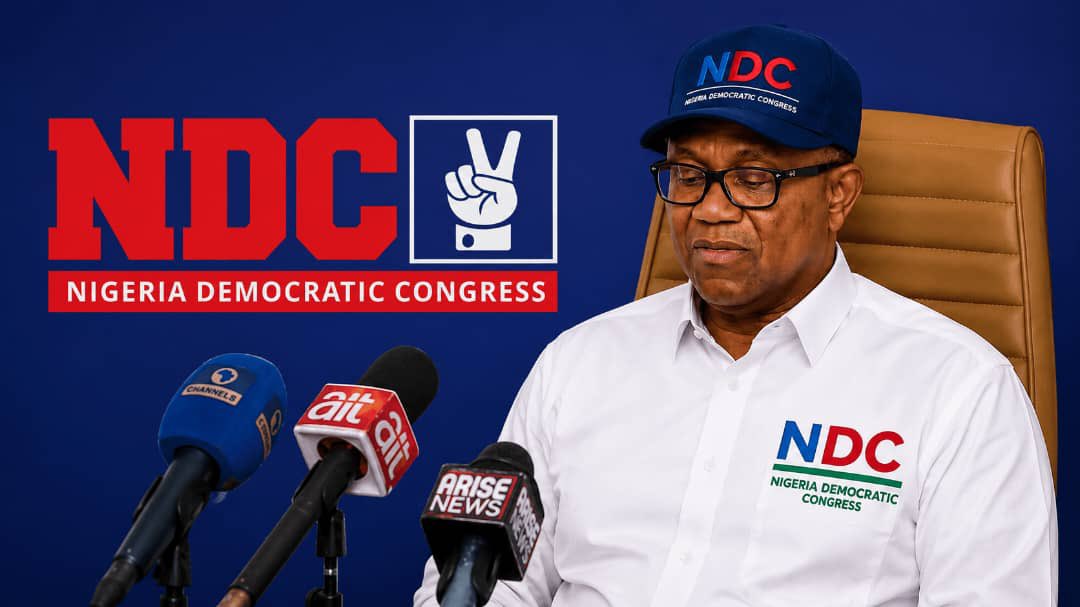
 NDC Wins Logo Battle as Abuja Court Orders INEC to Use Modified Design
 news
news Atiku Exposes Tinubu’s FAAC Scam: Bigger Naira, Poorer Nigerians
 news
news Police Arrest Hafsat Abubakar Over Fake Fintech Shutdown Document Circulated Online
 politics
 Sowore Declares Peter Obi Yelwata Blockade Government-Sponsored Political Attack
How do you feel about this news?
Community Additions
Have a news tip, correction, or extra context about this story? Post it below instantly. All submissions appear live on this screen immediately.