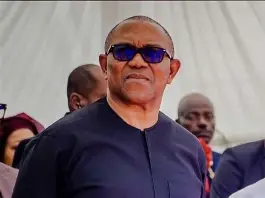
Peter Obi Urges US Backing for Credible 2027 Polls
Lagos, Nigeria | July 22, 2026 - In a significant move that has ignited fresh debate on Nigeria’s democratic future, Peter Obi, the presidential candidate of the Nigeria Democratic Congress (NDC), has publicly appealed to the United States government for support in ensuring free, fair, and credible elections in 2027.
The call, which underscores ongoing anxieties about electoral transparency and institutional independence ahead of the next general polls, comes as Obi positions himself as a leading voice for reform in a deeply polarized political landscape.
The former Anambra State governor, widely regarded for his frugal leadership style and emphasis on accountable governance, made the appeal amid broader discussions on strengthening bilateral ties, promoting opposition participation, and fostering an environment where democratic institutions can thrive without undue interference.
This latest statement aligns with Obi’s consistent advocacy for transparent processes, building on his previous engagements with US officials and public remarks emphasizing the need for real-time result transmission and citizen vigilance at polling units.
Peter Obi, who rose to national prominence as the Labour Party’s 2023 presidential candidate, has continued to champion issues of good governance, economic productivity, and youth empowerment.
After navigating party realignments — including a shift involving the NDC — he remains a formidable figure in opposition circles, often drawing massive support from young Nigerians disillusioned with the status quo.
His appeal to the US highlights concerns over potential electoral manipulation, institutional biases, and the need for international observers and diplomatic pressure to uphold democratic standards.
Obi has repeatedly stressed that Nigeria’s challenges — from multidimensional poverty affecting over 140 million citizens to insecurity and economic hardship — stem not from a lack of resources but from systemic issues that credible leadership and fair polls can address.
In earlier statements, Obi has predicted that 2027 will deliver free and fair elections, urging Nigerians to demand a repeat of the transparency associated with the historic 1993 polls.
He has also warned against rigging, called for electronic transmission of results, and emphasized that votes must count to restore public trust.
Obi’s NDC affiliation reflects ongoing opposition efforts to consolidate against the ruling APC.
He has faced allegations of government interference aimed at hindering his candidacy, including legal hurdles around party registration and personal/business pressures.
Despite these, Obi has vowed to remain on the ballot, challenging rivals to debates and focusing on issues like security, education, healthcare, and a shift to a production-driven economy.
His one-term pledge (if elected) and coalition-building attempts, including ties with figures like Rabiu Kwankwaso, signal a strategic focus on national unity over personal ambition.
Critics and supporters alike note his track record in Anambra, where he prioritized infrastructure, education, and fiscal prudence without personal enrichment.
This appeal arrives at a critical juncture. With economic pressures, insecurity, and youth unemployment dominating public discourse, the 2027 elections are seen by many as a potential turning point.
International support, particularly from the US, could bolster confidence in the process through technical assistance, observer missions, or diplomatic engagement.
Obi’s message resonates with millions who view him as a symbol of hope for a “New Nigeria” — one defined by competence, transparency, and citizen-centric policies.
Whether this call translates into tangible international involvement remains to be seen, but it amplifies the stakes for all political actors and institutions like INEC.
As Nigeria gears up for another electoral cycle, Obi’s intervention serves as both a plea and a challenge: for domestic stakeholders to prioritize integrity and for global partners to stand with democratic aspirations.
The coming months will test the resilience of Nigeria’s democracy and the determination of its people to shape their future at the ballot box.
 politics
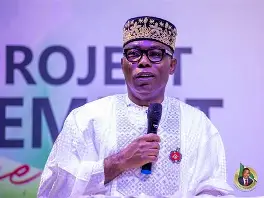
 Adebayo Challenges Tinubu: Where Is Subsidy Money? Come Out and Account for It
 politics
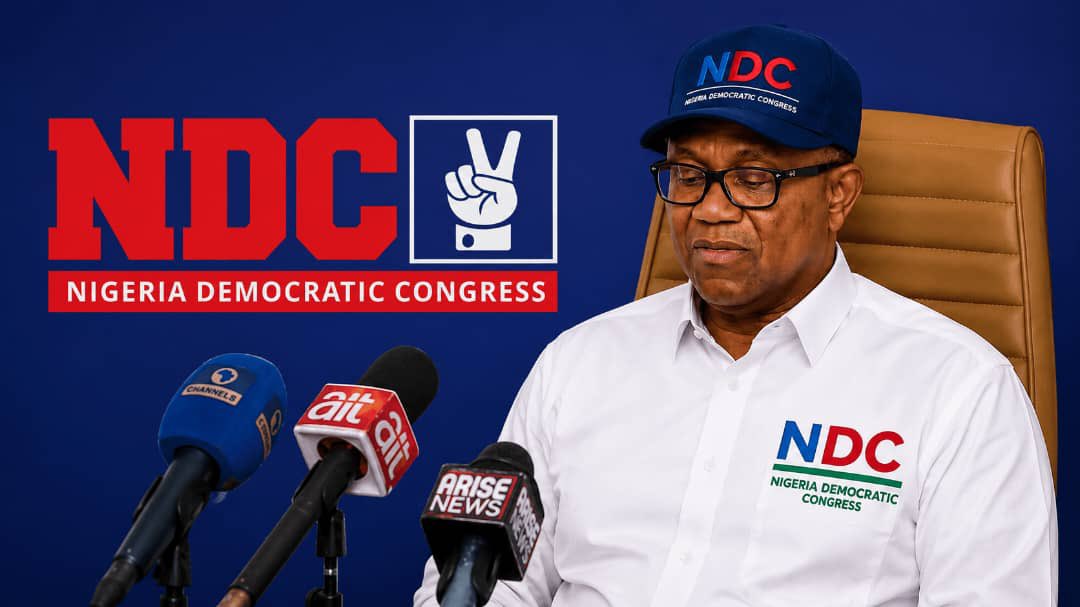
 NDC Wins Logo Battle as Abuja Court Orders INEC to Use Modified Design
 news
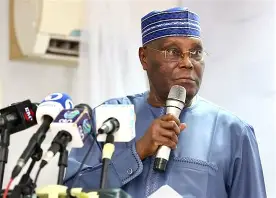
news Atiku Exposes Tinubu’s FAAC Scam: Bigger Naira, Poorer Nigerians
 news
news Police Arrest Hafsat Abubakar Over Fake Fintech Shutdown Document Circulated Online
 politics
 Sowore Declares Peter Obi Yelwata Blockade Government-Sponsored Political Attack
How do you feel about this news?
Community Additions
Have a news tip, correction, or extra context about this story? Post it below instantly. All submissions appear live on this screen immediately.