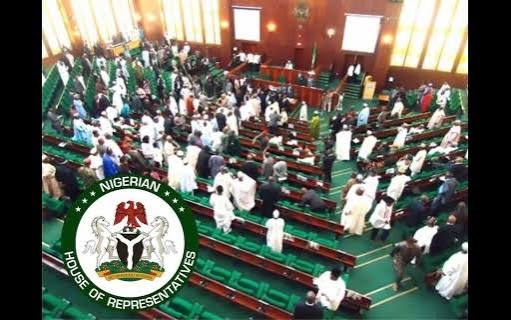
Tinubu’s State Police Dream Advances as Reps Grill Phantom Agency
Abuja, Nigeria – July 21, 2026 — In a significant step toward reshaping Nigeria’s security architecture, the House of Representatives has commenced clause-by-clause consideration of President Bola Ahmed Tinubu’s Executive Bill to establish State Police Services across the federation.
The House Committee on Constitution Review, chaired by Deputy Speaker Benjamin Kalu, is meticulously examining the provisions as part of the broader review of the 1999 Constitution.
This move aligns the lower chamber with the Senate, which has already passed its version of the bill, signaling strong legislative momentum for decentralizing policing in a country long plagued by insecurity.
The proposed reform envisions a dual policing system: a Federal Police Service handling national threats like terrorism, cybercrime, and border security, alongside State Police Services that would address local challenges under national minimum standards.
Proponents, including President Tinubu—who advocated for multi-layered policing as a former Lagos governor—argue it will make law enforcement more responsive and effective.
This development comes amid ongoing efforts to harmonize versions between the chambers, with the House previously passing its own bill before opting to prioritize the executive proposal for alignment.
Parallel Probe into Alleged Illicit Council
Simultaneously, the House has launched an investigation into the alleged establishment of the Presidential Foreign Investment Promotion Council (PFIPC), raising concerns over its creation without legal backing and its inclusion in the 2026 national budget with a substantial ₦1.3 billion allocation.
Lawmakers have summoned the Office of the Secretary to the Government of the Federation (OSGF) to explain the alleged use of government office space by the council.
The Central Bank of Nigeria (CBN) informed the committee that accounts linked to the entity show zero balances.
The controversy centers on Adeniyi Adeyemi, who presented himself as the council’s Director-General.
The Presidency has firmly distanced itself, declaring the PFIPC fictitious and lacking any presidential approval or legal foundation.
President Tinubu directed the Independent Corrupt Practices Commission (ICPC) to conduct a thorough probe, with a 30-day reporting deadline.
Allegations of forged documents, including appointment letters purportedly bearing the signature of Chief of Staff Femi Gbajabiamila, have fueled public debate.
Adeyemi has denied wrongdoing and leveled counter-claims, setting the stage for court proceedings.
House members view the matter as a serious threat to budgetary integrity and have constituted an ad-hoc committee, chaired by Rep. Yusuf Gagdi, to interface with relevant officials from the Budget Office and anti-corruption agencies.
These twin developments underscore the 10th National Assembly’s active role in both advancing President Tinubu’s Renewed Hope Agenda on security and safeguarding public resources.
State police, if ratified by the required number of state assemblies, could mark one of the most transformative constitutional changes since Nigeria’s return to democracy.
Observers note that while the state police bill enjoys broad support as a tool against rising insecurity, the PFIPC probe highlights persistent challenges around transparency and accountability in government processes.
As deliberations continue, Nigerians await outcomes that could profoundly influence the nation’s security landscape and governance standards.
 politics
 Adebayo Challenges Tinubu: Where Is Subsidy Money? Come Out and Account for It
 politics
 NDC Wins Logo Battle as Abuja Court Orders INEC to Use Modified Design
 news
news Atiku Exposes Tinubu’s FAAC Scam: Bigger Naira, Poorer Nigerians
 news
news Police Arrest Hafsat Abubakar Over Fake Fintech Shutdown Document Circulated Online
 politics
 Sowore Declares Peter Obi Yelwata Blockade Government-Sponsored Political Attack
How do you feel about this news?
Community Additions
Have a news tip, correction, or extra context about this story? Post it below instantly. All submissions appear live on this screen immediately.