Kidnappers Washed Our Smelly Clothes — Freed Oyo Teacher Debunks Staged Abduction Claims
IBADAN, Oyo State — In a poignant firsthand account that humanizes the ordeal of school abductions in Nigeria, a freed teacher from Oyo State has opened up about the grim realities of 56 days in bandit captivity, including how kidnappers washed the victims’ clothes when the smell became unbearable.
Zachery Olatunde, one of the teachers rescued alongside dozens of pupils from Oriire Local Government Area, spoke out in a video shared days after their dramatic release from the Old Oyo National Park.
His testimony directly counters social media skepticism suggesting the abduction was staged, emphasizing the brutality they endured.
“We looked clean when we were released because the kidnappers started washing our clothes when we began to smell,” Olatunde explained in Yoruba.
He pointed to their rough appearance, unkempt beards, and the visible trauma as proof of genuine suffering.
“Don’t they see how rough and dirty we the teachers were? Didn’t they see how rough our beards were, like that of a bush rat?”
Olatunde firmly rejected conspiracy theories, noting the deaths of two teachers during captivity as irrefutable evidence of the ordeal’s severity.
The victims were abducted on May 15, 2026, when armed terrorists stormed Community Grammar School, Baptist Nursery and Primary School, and L.A. Primary School in the Ahoro-Esiele and Yawota communities.
The attack claimed lives early: Assistant Headmaster Joel Adesiyan (also referred to as Esiyan Adegboye in some accounts) was killed while trying to escape, and Mathematics teacher Michael Oyedokun was brutally beheaded in captivity.
These tragedies intensified national outrage, prompting teacher strikes and widespread protests.
After weeks of intelligence-led operations involving the military, police, DSS, and local vigilantes, all surviving victims were rescued on July 10, 2026.
Eight suspected kidnappers were arrested, while several others were neutralized. No ransom was paid, and there was no prisoner swap, according to the Presidency.
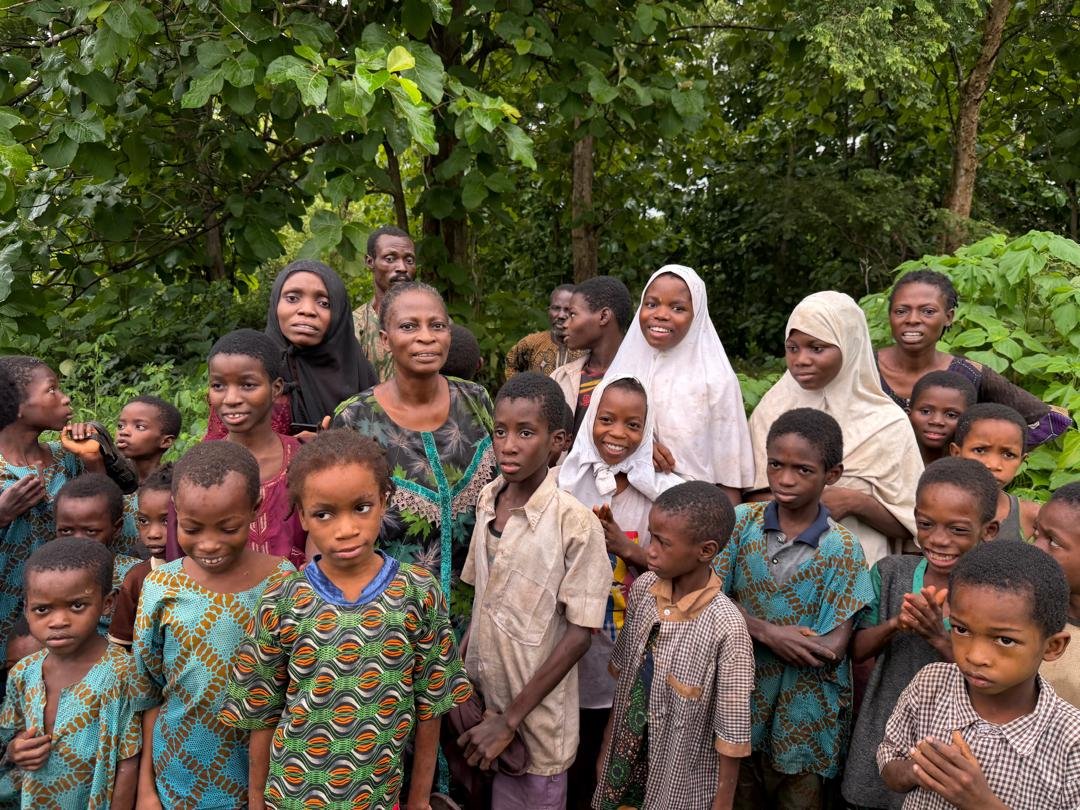
Olatunde also addressed the matching Ankara outfits some pupils wore upon release, clarifying it aligned with Oyo State policy requiring native attire on Fridays for primary pupils. Teachers and secondary students followed their respective dress codes.
This rescue brings relief to families and the nation after a harrowing period, but it also exposes deep vulnerabilities in Nigeria’s education sector.
School abductions remain a devastating tactic used by bandits and insurgents, disrupting learning and instilling fear in rural communities.
Governor Seyi Makinde has taken charge of the victims’ care and rehabilitation, while President Bola Tinubu commended security forces.
The freed principal, Rachael Alamu, expressed gratitude but highlighted the psychological scars, especially for the younger children who faced beatings when they cried.
As survivors begin the long journey of healing, Olatunde’s message is clear: stop the speculation and acknowledge the real human cost.
For a country battling insecurity, this successful operation without concessions offers a glimmer of hope—but sustained action is needed to prevent future tragedies.
The fight for safer schools continues. The story reminds us that behind every headline are real people—teachers and children whose lives were upended by violence. Their safe return is a victory worth celebrating, even as we demand better protection for Nigeria’s future.
 politics
 Adebayo Challenges Tinubu: Where Is Subsidy Money? Come Out and Account for It
 politics
 NDC Wins Logo Battle as Abuja Court Orders INEC to Use Modified Design
 news
news Atiku Exposes Tinubu’s FAAC Scam: Bigger Naira, Poorer Nigerians
 news
news Police Arrest Hafsat Abubakar Over Fake Fintech Shutdown Document Circulated Online
 politics
 Sowore Declares Peter Obi Yelwata Blockade Government-Sponsored Political Attack
How do you feel about this news?
Community Additions
Have a news tip, correction, or extra context about this story? Post it below instantly. All submissions appear live on this screen immediately.