
EFCC Frees Randy Peter, Mama P After Intense Naira Probe
ABUJA, Nigeria — In a development that has eased tensions among civil society groups, the Economic and Financial Crimes Commission (EFCC) has released outspoken activists Peter Akah (popularly known as Randy Peter or Peter for Nigeria) and Precious Oruche (Mama P or Mama Pee) after intense questioning related to alleged naira abuse.
The pair regained their freedom late on Thursday, July 16, 2026, after spending several more hours at the EFCC headquarters in Abuja — the second consecutive day of interrogation.
They had first appeared on Wednesday, undergone lengthy questioning, and were released on self-recognition around midnight, only to be asked to return the following day.
Their lawyer, Inibehe Effiong, confirmed the releases and strongly maintained that the money at the center of the investigation was not genuine Nigerian currency but prop money used solely for entertainment and content creation purposes.
The activists, known for their sharp criticism of government policies, fully cooperated with investigators throughout the process.
The case drew significant public attention and online speculation, with many supporters expressing worry after the activists spent extended periods (reportedly up to 11 hours on Wednesday) at the commission.
Activist Justice Crack, who monitored the situation, helped clarify developments and confirmed their eventual release.
This episode highlights the fine line between legitimate regulatory enforcement and perceptions of selective targeting of government critics.
Randy Peter and Mama P have built large followings through bold commentary on national issues, making their brief custody a flashpoint for debates about freedom of expression, the rule of law, and the EFCC’s role in a democratic society.
The EFCC, Nigeria’s premier anti-corruption agency, frequently invites individuals for questioning on economic and financial matters, including naira mutilation and abuse—offenses taken seriously under Nigerian law to protect the currency’s integrity.
In this instance, no formal charges have been filed against the duo as of the latest reports, suggesting the probe remains at the investigative stage.
For many ordinary Nigerians, cases like this raise important questions: Are anti-graft efforts being applied evenly, or are they sometimes used to intimidate vocal voices?
Conversely, defenders of the EFCC argue that no one — regardless of public profile — should be above the law when currency-related violations are alleged.
Randy Peter and Mama P’s release without charge brings temporary relief to their supporters, but the experience underscores the personal risks faced by activists who challenge power.
Their lawyer’s insistence that the items were props for entertainment content adds an important layer, distinguishing artistic expression from criminal intent.
As Nigeria continues its complex journey toward stronger institutions and greater accountability, incidents like this serve as reminders of the delicate balance between enforcement and civil liberties.
The public will be watching to see whether this matter concludes quietly or leads to further developments.
For now, two prominent critics are back home—free to continue their work, at least for the moment.
 politics
 Adebayo Challenges Tinubu: Where Is Subsidy Money? Come Out and Account for It
 politics
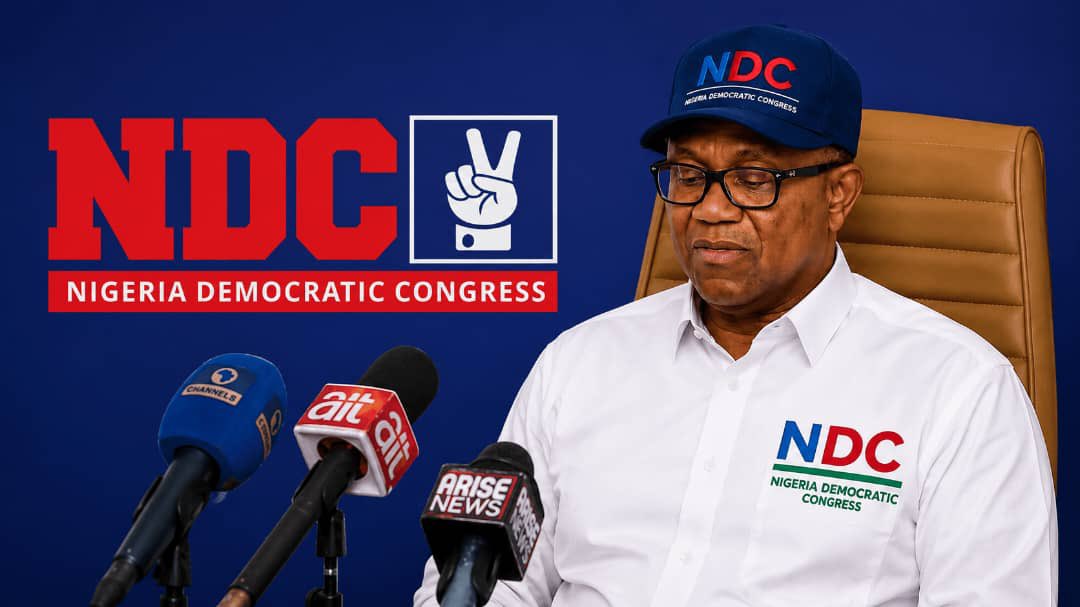
 NDC Wins Logo Battle as Abuja Court Orders INEC to Use Modified Design
 news
news Atiku Exposes Tinubu’s FAAC Scam: Bigger Naira, Poorer Nigerians
 news
news Police Arrest Hafsat Abubakar Over Fake Fintech Shutdown Document Circulated Online
 politics
 Sowore Declares Peter Obi Yelwata Blockade Government-Sponsored Political Attack
How do you feel about this news?
Community Additions
Have a news tip, correction, or extra context about this story? Post it below instantly. All submissions appear live on this screen immediately.