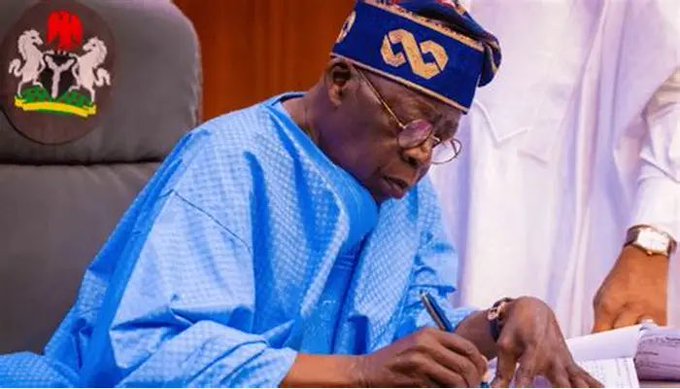
Tinubu Pushes Social Media Regulation Bill Amid Free Speech Fears
ABUJA, Nigeria— President Bola Tinubu’s administration has reignited national controversy with a proposed bill aimed at regulating social media and digital platforms, seeking to repeal and replace the outdated National Broadcasting Commission (NBC) Act of 2004.
The move, first highlighted in late 2023, continues to spark intense public discourse about the delicate balance between curbing online harms and protecting freedom of expression in Africa’s most populous nation.
During a high-level meeting at the NBC headquarters, Director-General Balarabe Ilelah described social media as a “growing concern” that the current legal framework cannot adequately address.
He emphasized that without updated legislation, unregulated digital content would continue to impact national stability, security, and public discourse.
The bill aims to grant the NBC explicit authority to oversee and sanction digital platforms, filling a critical regulatory gap.
Ilelah noted that in 2023 alone, the NBC issued 1,238 warnings and sanctioned six broadcast stations for violations, underscoring the commission’s existing enforcement role — but highlighting its limitations when it comes to social media giants and user-generated content.
This is not Nigeria’s first attempt at digital regulation. Previous efforts, such as the 2015-2016 Social Media Bill and the 2020 Twitter ban (later reversed), faced widespread backlash from civil society, journalists, activists, and tech stakeholders who feared government overreach and potential censorship.
Critics argue that such laws could be weaponized against dissenting voices, especially in a politically charged environment.
Supporters, however, point to real challenges: the rapid spread of fake news, hate speech, incitement to violence, cyberbullying, and threats to national security that have real-world consequences, from election interference to ethnic tensions and public health misinformation.
The proposal comes against a backdrop of broader digital governance efforts under the Tinubu administration, including data protection initiatives and identity management reforms.
Yet it raises profound questions: How do you regulate without stifling innovation, civic engagement, and the vibrant digital economy that millions of young Nigerians rely on for livelihoods, information, and activism?
As a veteran journalist who has covered Nigeria’s evolving media landscape for decades, I see both sides of this coin.
Unfettered social media has democratized information and amplified marginalized voices like never before.
At the same time, its darker underbelly — coordinated disinformation campaigns, ethnic incitement, and fraud — demands responsible guardrails.
The key test for any regulation will be its design: Does it include clear, proportionate rules with independent oversight, judicial safeguards, and protections against abuse?
Or will it concentrate excessive power in government agencies, potentially chilling free speech?
Civil society groups, legal experts, and opposition voices are likely to scrutinize the bill closely for compliance with constitutional rights to freedom of expression (Section 39 of the 1999 Constitution) and international standards on digital rights.
As the National Assembly considers this and similar proposals, Nigerians deserve a transparent, inclusive process that involves stakeholders from tech companies, media practitioners, civil society, and ordinary citizens.
True regulation should protect the public without punishing legitimate criticism or innovation.
The conversation around social media regulation is far from over. It touches the very essence of modern Nigerian democracy: how to harness technology’s power while safeguarding the freedoms that define a truly open society.
The outcome could shape the country’s digital future for generations to come.
 politics
 Adebayo Challenges Tinubu: Where Is Subsidy Money? Come Out and Account for It
 politics
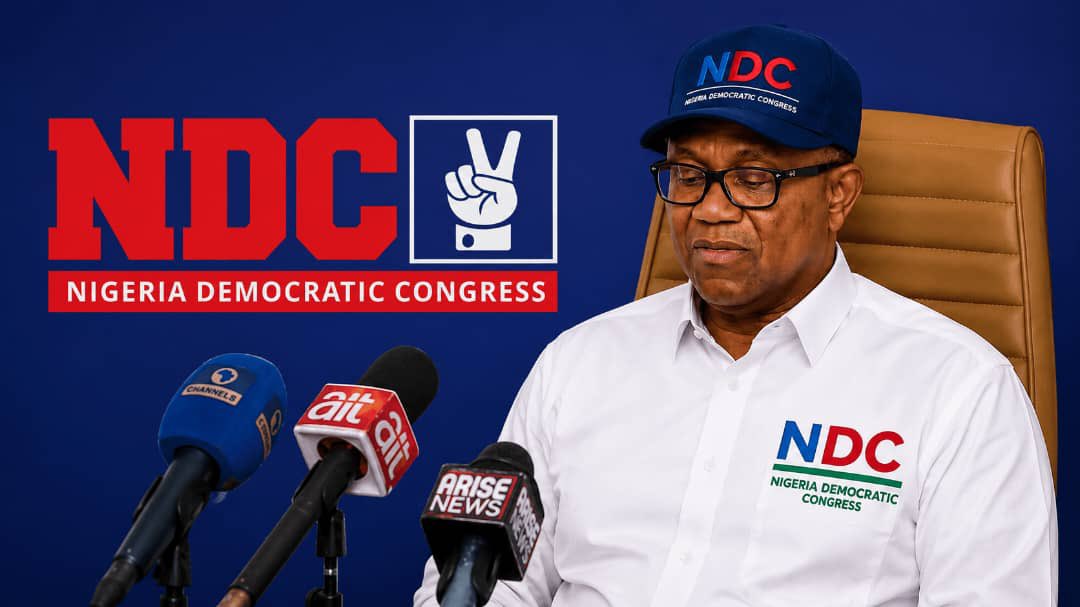
 NDC Wins Logo Battle as Abuja Court Orders INEC to Use Modified Design
 news
news Atiku Exposes Tinubu’s FAAC Scam: Bigger Naira, Poorer Nigerians
 news
news Police Arrest Hafsat Abubakar Over Fake Fintech Shutdown Document Circulated Online
 politics
 Sowore Declares Peter Obi Yelwata Blockade Government-Sponsored Political Attack
How do you feel about this news?
Community Additions
Have a news tip, correction, or extra context about this story? Post it below instantly. All submissions appear live on this screen immediately.