
Mary Habila Died in Power’s Bedroom — Nigeria’s Elites Bury the Poor to Shield Their Sins
Mary Habila was not a statistic. She was a young woman with dreams, hands trained to heal, a daughter, a sister, and a professional who left her home in Southern Kaduna to build something better.
A physiotherapist seconded to serve, she walked into the residence of a powerful man—Nigeria’s Minister of Works, David Umahi—and never walked out alive.
Found dead, reportedly naked, in his Uburu home in Ebonyi State on June 27, 2026, her story is not just a tragedy. It is a damning indictment of a nation where justice is not blind but bought, rented, and reserved exclusively for the connected.
This is not speculation from idle tongues. This is the raw, festering wound of selective justice that Nigeria has nursed for decades.
While the sons and daughters of the poor rot in cells for minor offenses—stealing a phone, protesting fuel prices, or simply existing in the wrong place at the wrong time—the elite operate in a parallel universe where accountability is optional, autopsies negotiable, and truth a commodity they can threaten lawsuits against.
Who Was Mary Habila?
Humanize her. Picture a determined young woman from a modest background in Kaduna State. She pursued education in a field dedicated to restoring dignity—helping the injured, the elderly, the broken walk again.
For three years, she served on secondment, her skills attached to the corridors of power. On that fateful trip, she traveled with another woman to Umahi’s residence.
What followed remains shrouded in conflicting narratives: official secondment for duty versus whispers of something far more personal and sinister.
Her body discovered in compromising circumstances. Doors forced open by worried family. Efforts to revive her that failed. And now, a rush toward burial even as investigators push back, demanding a full autopsy.
Mary wasn’t some faceless “domestic worker” or disposable staff. She was flesh and blood, someone’s pride, someone’s hope. Her death in the opulent quarters of a sitting minister screams for answers, not press statements laced with threats of legal action against critics.
Where is the transparency? Why the initial resistance to forensic clarity? In any just society, the powerful would step aside immediately for independent scrutiny.
In Nigeria, they issue denials, meet families for photo-ops, and let the machinery of influence grind slowly—protecting the system above all.
The Rot of Selective Justice
This is why selective justice must die a fiery death in Nigeria. It is not law; it is lawlessness dressed in agbada and designer suits.
The poor pay with their lives and freedom for the same “sins” that elites dismiss as “misunderstandings.”
A poor man caught in a brawl ends up in Kirikiri. A minister’s residence becomes the scene of an unexplained death, and the nation debates whether an autopsy is even necessary.
No arrests. No immediate suspension. Just “shock,” condolences, and calls for the family to speak publicly while police sources quietly challenge the official timeline.
Elites are shielded because the system is rigged in their favor. Police investigators, hospitals linked to the powerful (note the David Umahi Federal University connection), and political godfathers form an impenetrable fortress.
The same pattern repeats: high-profile scandals fizzle into oblivion. Forgotten names. Unresolved files. While the children of the masses—those without connections—face the full hammer of the law for far less.
They pay fines they cannot afford, lose years behind bars, or worse, become cautionary tales whispered in villages.
Why? Because power in Nigeria insulates. It buys silence. It controls narratives. It turns potential witnesses into liabilities. Mary Habila’s case exposes this hypocrisy in neon lights.
If the roles were reversed—if a poor physiotherapist’s home hosted the mysterious death of a minister’s aide—the entire security apparatus would descend like locusts. Swift arrests. Media frenzy. Justice theater for the cameras. But here? Delays, disputes over procedure, and public outrage met with defensiveness.
The Fierce Demand for Equal Scales
Enough. Selective and “subsidized” justice—where the connected get discounts on truth and consequences—has poisoned Nigeria’s soul.
It breeds cynicism, revolt, and the slow death of trust in institutions. Every Mary Habila whose light is extinguished without full reckoning adds fuel to the fire of resentment.
The elites thrive on this two-tiered system because it preserves their dominance.
The poor pay because they have no shields, no lawyers on retainer, no ministers issuing statements.
We must demand better. Independent probes. Autopsies without negotiation. Prosecution without fear or favor. The same rules for all. No more “he is a sitting minister” excuses.
No more rushed burials while questions linger. Mary’s family deserves closure, not condolences wrapped in influence. Nigeria deserves a justice system that doesn’t see class or status—only evidence and humanity.
Mary Habila’s death should not be another forgotten headline. It should ignite fury. It should force reform.
Her hands healed others; now her story must expose and heal the festering wound of inequality before our law.
The sons of the poor will no longer pay alone for sins the powerful commit with impunity. Not anymore.
Rest in power, Mary. The fight for your justice is the fight for all of us. Nigeria, wake up—or burn with the rage of the silenced.
 politics
 Adebayo Challenges Tinubu: Where Is Subsidy Money? Come Out and Account for It
 politics
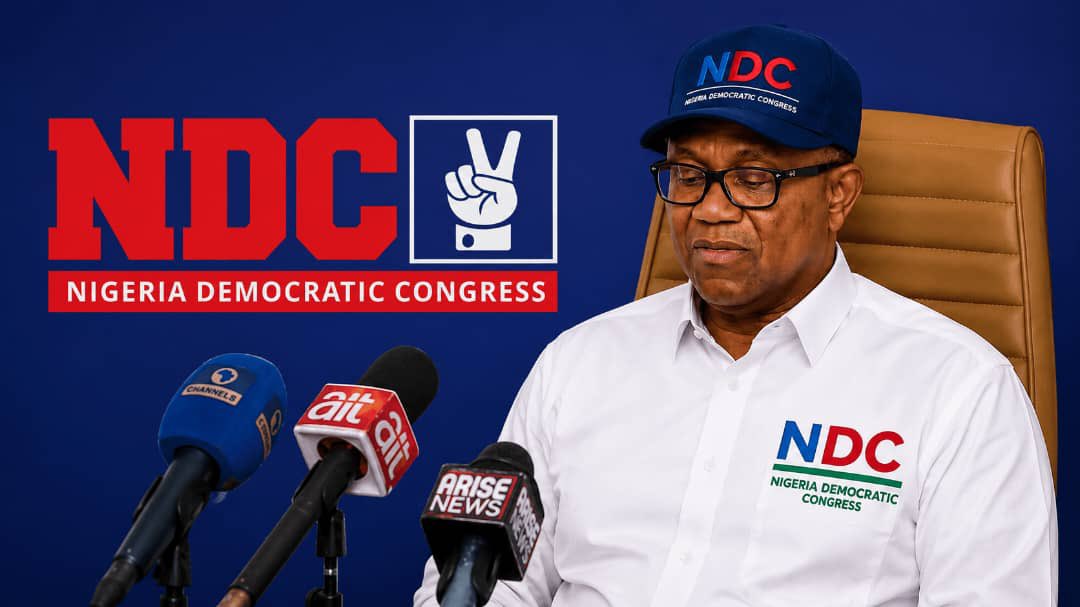
 NDC Wins Logo Battle as Abuja Court Orders INEC to Use Modified Design
 news
news Atiku Exposes Tinubu’s FAAC Scam: Bigger Naira, Poorer Nigerians
 news
news Police Arrest Hafsat Abubakar Over Fake Fintech Shutdown Document Circulated Online
 politics
 Sowore Declares Peter Obi Yelwata Blockade Government-Sponsored Political Attack
How do you feel about this news?
Community Additions
Have a news tip, correction, or extra context about this story? Post it below instantly. All submissions appear live on this screen immediately.