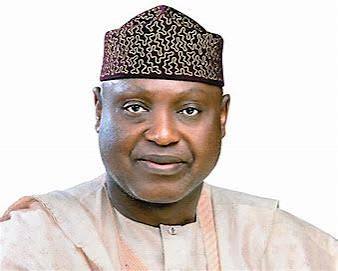
SDP Slams Oyebanji for Taxing Ekiti Without Transparency Amid Revenue Explosion
ADO-EKITI, Nigeria — In a scathing critique that cuts to the heart of governance failures in Nigeria, the Social Democratic Party (SDP) has strongly condemned the Governor Biodun Oyebanji-led APC administration in Ekiti State for domesticating the federal government’s new tax regime, describing it as “taxation without accountability” and a breach of the sacred social contract between government and citizens.
The statement, released by SDP South West Zonal Organising Secretary Comrade Wale Balogun on July 13, argues that taxation must serve the common good through transparent deployment of resources — not become another tool to extract more from struggling citizens while governments fail to deliver basic services.
Ekiti’s Internally Generated Revenue (IGR) reportedly jumped from about ₦10.9 billion in 2020 to approximately ₦34.7 billion in 2024, while total revenue skyrocketed from ₦72.7 billion to over ₦377 billion, largely driven by increased Federation Account allocations following the removal of fuel subsidies and naira float. Gross FAAC allocations alone rose from ₦49.1 billion to over ₦287.2 billion in the same period.
Yet, the SDP insists these impressive figures raise more questions than celebration: Where exactly has the money gone?
Why do citizens still grapple with poor rural roads, inadequate healthcare, substandard education, water shortages, and youth unemployment despite the revenue boom?
Broader Critique of APC Governance
The party links Ekiti’s situation to national APC policies under President Bola Tinubu, pointing to the hardships triggered by subsidy removal and currency float — record inflation, eroded purchasing power, and deepening poverty.
It criticizes perceived weaknesses in public financial management, fiscal discipline, and the slow pace of anti-corruption efforts, alongside persistent issues like budget rollovers that create doubts about project execution and value for money.
The SDP demands comprehensive accountability before any new tax drive: full disclosure of annual IGR, statutory allocations, grants, executed projects, independent value-for-money audits, and clarification on local government funding autonomy.
Priorities also come under fire. While projects like the Ado-Ekiti overhead bridge are highlighted as achievements, many residents question their relevance compared to pressing needs in agriculture, healthcare, education, and job creation.
The party stresses that infrastructure must deliver measurable economic and social returns, not serve as political monuments.
Constitutional and Democratic Concerns
Drawing from Chapter II of the 1999 Constitution (Sections 14, 16, and 17), the SDP reminds leaders that the security and welfare of the people must be the primary purpose of government.
It calls for social justice, equality of opportunity, and prudent use of resources to fight poverty and build a self-reliant economy.
The statement also touches on lingering questions about the credibility of past elections in Ekiti, urging stronger democratic legitimacy through performance and openness.
It positions the SDP — and its presidential candidate Prince Adewole Adebayo — as offering a genuine alternative rooted in production-driven development, transparency, and social democracy.
The party urges Ekiti residents to demand accountability before accepting more taxes and calls on Osun voters to reject APC policies in upcoming polls.
Looking toward 2027, it frames the election as a chance to reject “anti-poor” policies nationwide.
A Call for Responsible Stewardship
This intervention reflects deep public frustration across Nigeria: revenues are rising, yet the lived reality for ordinary people — especially in states like Ekiti — remains one of hardship.
Governments at all levels must recognize that legitimacy flows not just from winning elections but from earning trust through visible results and openness.
As Comrade Balogun aptly concludes, “Eternal vigilance is the price of liberty.”
For Ekiti and Nigeria, the real test of any tax regime lies not in how much is collected, but in how wisely and transparently it is spent for the benefit of the greatest number.
The debate is far from over — citizens across Ekiti and Nigeria will be watching closely to see whether increased revenue translates into improved lives or further extraction without results.
 politics
 Adebayo Challenges Tinubu: Where Is Subsidy Money? Come Out and Account for It
 politics
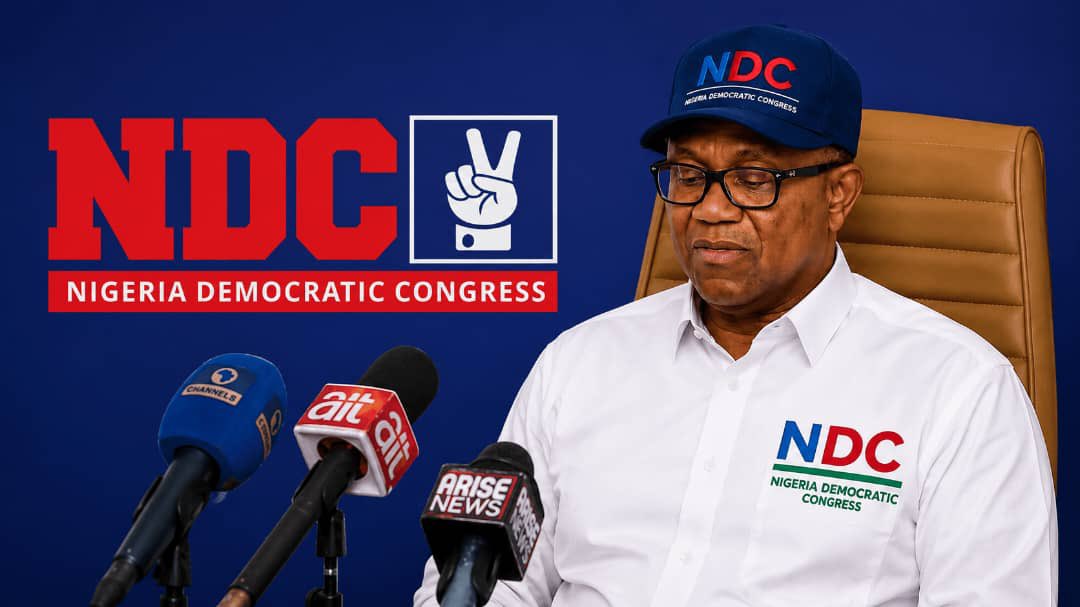
 NDC Wins Logo Battle as Abuja Court Orders INEC to Use Modified Design
 news
news Atiku Exposes Tinubu’s FAAC Scam: Bigger Naira, Poorer Nigerians
 news
news Police Arrest Hafsat Abubakar Over Fake Fintech Shutdown Document Circulated Online
 politics
 Sowore Declares Peter Obi Yelwata Blockade Government-Sponsored Political Attack
How do you feel about this news?
Community Additions
Have a news tip, correction, or extra context about this story? Post it below instantly. All submissions appear live on this screen immediately.