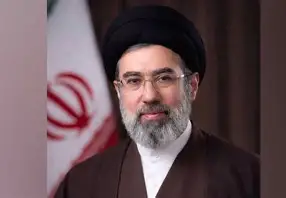
Mojtaba Khamenei Vows Revenge for Slain Father as Tensions with US Escalate
TEHRAN— In his first major public message since assuming power, Iran’s Supreme Leader Ayatollah Mojtaba Khamenei has declared that avenging the assassination of his father and predecessor, Ayatollah Ali Khamenei, is “the demand of the nation” and “must certainly” take place.
The statement, read on state television on Saturday, July 11, 2026, came days after elaborate funeral ceremonies for the late leader, who was killed in a joint US-Israeli airstrike on February 28, 2026, along with several family members.
Mojtaba Khamenei, who succeeded his father following a swift appointment by the Assembly of Experts, described the killing as part of two recent wars that claimed numerous “martyrs.”
“We pledge to avenge the pure blood of the martyred leader and all the martyrs of these two wars from the criminal and disgraced killers,” the statement said. “This revenge is the demand of our nation, and it must certainly take place.”
The message further warned that those responsible “will take the hope of a peaceful death in their beds to the grave,” adding that the mission could involve “free people around the world.”
It emphasized that the vow would be fulfilled regardless of whether he or other officials remained in power.
Ayatollah Ali Khamenei, who led Iran for over three decades following the death of Ayatollah Ruhollah Khomeini, was killed on the first day of escalated conflict with Israel and the United States.
His death triggered massive public mourning, week-long funeral processions across Tehran, Qom, and his hometown of Mashhad, and a period of national reflection.
Mojtaba Khamenei, long viewed as a shadowy but influential figure within hardline circles, has maintained a low public profile since the strikes, reportedly due to injuries sustained and security concerns.
His brothers appeared at public memorials, but the new leader’s absence fueled speculation until this pointed statement.
The vow comes as fragile ceasefire arrangements and indirect negotiations between Iran, the United States, and Israel remain precarious.
US President Donald Trump has issued repeated warnings to Tehran, while mediators struggle to stabilize talks focused on issues including the Strait of Hormuz shipping security.
Iranian officials have consistently blamed Washington and Tel Aviv for the assassination, framing it as an act of aggression that demands a response.
The statement’s reference to a broader “national” and even international duty for revenge raises concerns about potential escalation, proxy actions, or renewed militant campaigns.
Mojtaba Khamenei’s ascension and this first major address signal continuity in Iran’s defiant posture against perceived external enemies.
Analysts note that while the new leader inherits a devastated economy, war-weary population, and complex international isolation, his emphasis on revenge could consolidate hardline support within the Revolutionary Guards and conservative factions.
Yet the message also underscores deep personal loss: Mojtaba reportedly lost not only his father but other close family members in the strikes.
This human dimension adds emotional weight to Iran’s official narrative of resistance and retribution.
As regional powers and global actors monitor developments, the coming weeks will test whether this pledge translates into concrete policy shifts or remains symbolic rhetoric aimed at domestic unity.
For a nation still reeling from conflict, the balance between vengeance and reconstruction remains delicate and fraught with risk.
The world watches closely as Iran’s third Supreme Leader defines his era through the shadow of his father’s violent end.
 politics
 Adebayo Challenges Tinubu: Where Is Subsidy Money? Come Out and Account for It
 politics
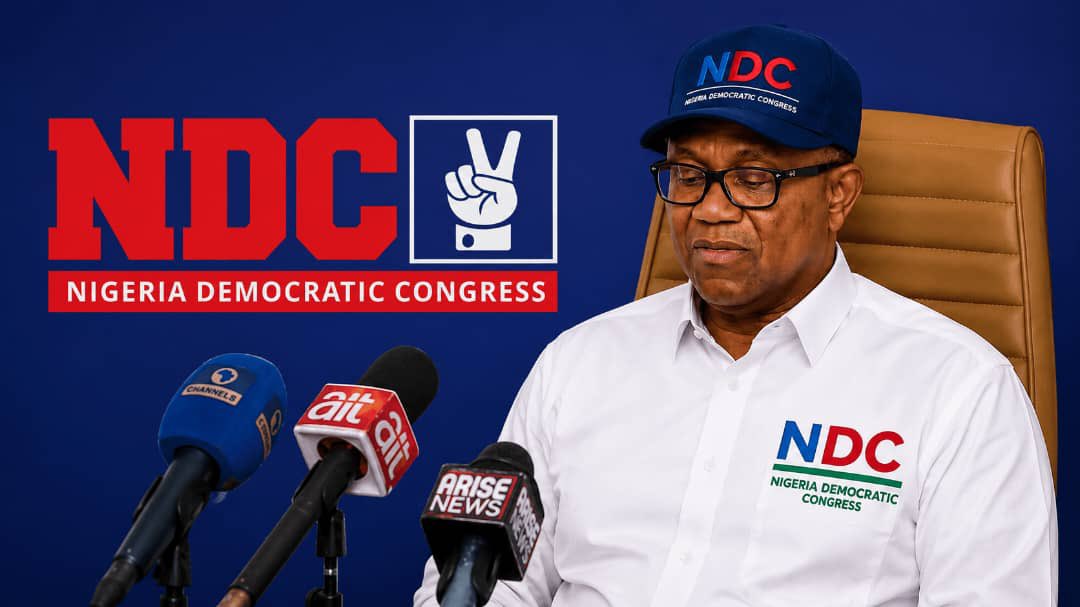
 NDC Wins Logo Battle as Abuja Court Orders INEC to Use Modified Design
 news
news Atiku Exposes Tinubu’s FAAC Scam: Bigger Naira, Poorer Nigerians
 news
news Police Arrest Hafsat Abubakar Over Fake Fintech Shutdown Document Circulated Online
 politics
 Sowore Declares Peter Obi Yelwata Blockade Government-Sponsored Political Attack
How do you feel about this news?
Community Additions
Have a news tip, correction, or extra context about this story? Post it below instantly. All submissions appear live on this screen immediately.