Senate Rejects PFIPC ₦1.3 Billion Probe, Awaits ICPC Report
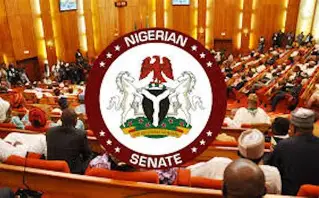
ABUJA, Nigeria — In a move that has sparked mixed reactions across Nigeria’s political landscape, the Senate on Wednesday declined a motion seeking an immediate legislative investigation into the controversial ₦1.3 billion allocation to the so-called Presidential Foreign Intervention Promotion Council (PFIPC) in the 2026 Appropriation Act.
The decision came after Deputy Senate President Barau Jibrin, who presided over plenary, noted that President Bola Tinubu had already directed the Independent Corrupt Practices and Other Related Offences Commission (ICPC) to conduct a comprehensive probe into the matter.
Lawmakers voted to allow the anti-graft agency to conclude its work before considering further action.
The PFIPC saga erupted after reports revealed that ₦1.3 billion (broken down into personnel, overhead, and capital expenditures) was appropriated for an entity the Presidency has repeatedly described as fictitious and non-existent.
An individual named Prince Adeniyi Adeyemi Matthew allegedly posed as its Director-General, operating from an office in the Federal Secretariat, forging documents, and opening multiple bank accounts.
President Tinubu’s swift directive to the ICPC and the ongoing trial of the alleged impostor have been cited as sufficient grounds for the Senate to step back from duplicating efforts.
Critics, however, argue that legislative oversight remains essential to uncover how such a substantial sum entered the national budget in the first place.
The rejection of Senator Kawu Sumaila’s motion reflects a delicate balance in Nigeria’s governance: respecting executive-led investigations while maintaining the National Assembly’s constitutional role in public finance scrutiny.
Supporters of the deferral see it as avoiding overlap and politicization, while others view it as reluctance to thoroughly probe potential lapses in budget processes.
This development occurs amid broader public concerns over budget integrity, ghost projects, and transparency in public spending.
The PFIPC case has become a symbol of questions surrounding how unauthorized or fraudulent items find their way into national budgets — issues that resonate deeply with citizens tired of financial scandals.
As the ICPC investigation progresses, Nigerians will be watching closely for accountability, full disclosure, and reforms to prevent recurrence.
The episode underscores the ongoing need for stronger inter-institutional collaboration and robust safeguards in the budgetary system.
For a country striving to build trust in its democratic institutions, transparent resolution of the PFIPC matter could serve as a positive signal of commitment to good governance.
 politics
 Adebayo Challenges Tinubu: Where Is Subsidy Money? Come Out and Account for It
 politics
 NDC Wins Logo Battle as Abuja Court Orders INEC to Use Modified Design
 news
news Atiku Exposes Tinubu’s FAAC Scam: Bigger Naira, Poorer Nigerians
 news
news Police Arrest Hafsat Abubakar Over Fake Fintech Shutdown Document Circulated Online
 politics
 Sowore Declares Peter Obi Yelwata Blockade Government-Sponsored Political Attack
How do you feel about this news?
Community Additions
Have a news tip, correction, or extra context about this story? Post it below instantly. All submissions appear live on this screen immediately.