
N37bn Renovation Fiasco: Lawmakers Battle Faulty Mics, E-Voting in 'Upgraded' Chambers
Abuja, Nigeria – July 4, 2026 — Two years after lawmakers were displaced from their chambers for a lavish renovation project costing Nigerians an eye-watering N37 billion, the return to the “upgraded” facilities has proven anything but smooth.
Senators and House of Representatives members are now contending with faulty microphones, inoperative electronic voting systems, and audio issues that hinder proceedings and public scrutiny.
The National Assembly Complex renovation, initially approved by former President Muhammadu Buhari in 2019 at N37 billion, was later scaled back amid public outcry and COVID-19 disruptions.
The project, eventually executed in phases by Visible Construction Limited, forced plenary sessions into cramped committee rooms from April 2022 to April 2024.
Expectations were high for a modern, efficient legislative workspace upon resumption in April 2024.
Instead, recurring technical failures have left many questioning the quality and value of the massive public investment.
In the Senate, complaints surfaced early. In May 2024, Senator Ali Ndume publicly criticized the chamber, comparing it to a mere conference room.
He highlighted the lack of functional electronic voting facilities and poor audio quality that made it difficult to identify speakers.
Senate President Godswill Akpabio noted that the contract was awarded during the previous assembly, distancing the current leadership from direct responsibility.
Similar issues plague the House of Representatives. Microphones frequently fail, forcing lawmakers to switch seats mid-session.
Journalists in the public gallery often struggle with muffled audio, making coverage challenging.
During a December 2025 plenary, Deputy Speaker Benjamin Kalu was seen tapping microphones in frustration while attempting to restore sound.
The electronic voting system, once a hallmark of transparency, has largely remained unused. What began as a training session on its operation has not translated into reliable deployment.
The deficiencies came into sharp focus during critical constitutional amendment debates. On June 11, 2026, while considering the state police bill, Speaker Tajudeen Abbas announced that the e-voting system was non-functional, leading to a manual headcount by sergeants-at-arms.
The Senate faced a similar technical glitch on June 24, also resorting to manual voting.
Governance expert Chibuzo Okereke described the House process as a missed opportunity, emphasizing that constitutional amendments demand strict adherence to procedures ensuring clear majorities — ideally through recorded division or roll call rather than imprecise hand counts or voice votes.
Critics argue these methods undermine accountability, especially for matters requiring a two-thirds majority.
This is not an isolated incident. The 10th House has previously used voice votes for high-stakes decisions, such as the removal of Code of Conduct Tribunal Chairman Danladi Umar in 2024 and the approval of emergency rule in Rivers State in 2025 — both requiring two-thirds support under the constitution.
Such practices have fueled ongoing debates about procedural integrity.
The renovation saga adds to broader frustrations over governance efficiency and fiscal responsibility in Nigeria.
While the project aimed to modernize the legislative arm, the current state of disrepair in essential tools like microphones and voting technology raises serious concerns about oversight, contractor accountability, and value for money.
As lawmakers continue to navigate these challenges, many Nigerians — already burdened by economic pressures — wonder why such a significant investment has not delivered the functional, transparent parliament the country deserves.
Calls for investigations into the renovation process and its outcomes are likely to grow, especially as the assembly tackles weighty national issues in the lead-up to future elections.
The images circulating from recent sessions vividly capture the frustration: lawmakers tapping unresponsive mics and presiding officers managing makeshift voting procedures in chambers meant to symbolize democratic strength.
This story, underscores a familiar Nigerian paradox — grand promises and huge expenditures yielding underwhelming results.
For the National Assembly to regain public trust, addressing these foundational operational failures is not optional; it is essential.
 politics
 Adebayo Challenges Tinubu: Where Is Subsidy Money? Come Out and Account for It
 politics
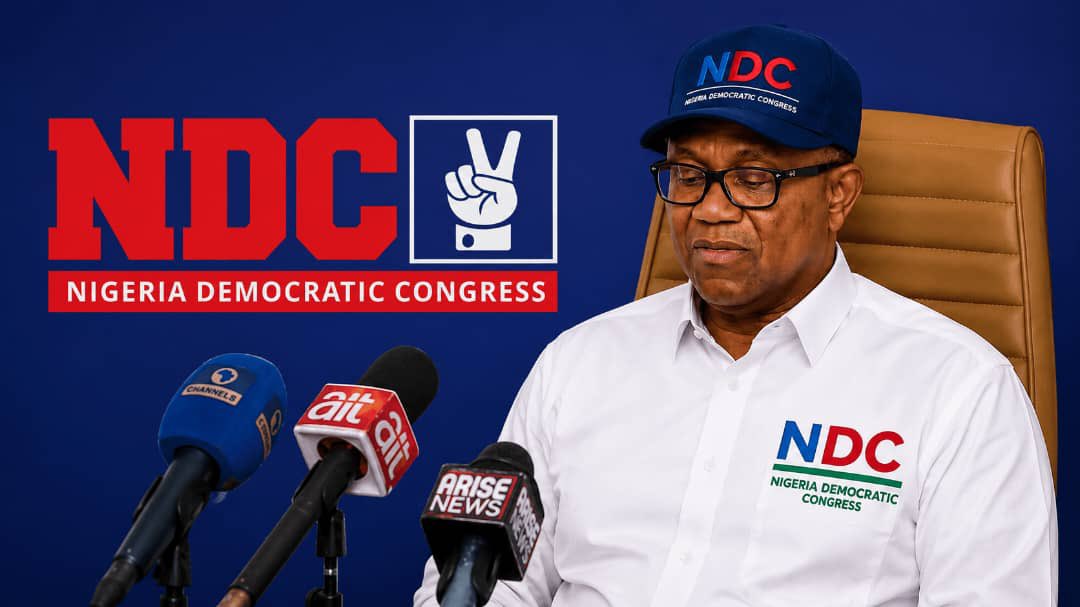
 NDC Wins Logo Battle as Abuja Court Orders INEC to Use Modified Design
 news
news Atiku Exposes Tinubu’s FAAC Scam: Bigger Naira, Poorer Nigerians
 news
news Police Arrest Hafsat Abubakar Over Fake Fintech Shutdown Document Circulated Online
 politics
 Sowore Declares Peter Obi Yelwata Blockade Government-Sponsored Political Attack
How do you feel about this news?
Community Additions
Have a news tip, correction, or extra context about this story? Post it below instantly. All submissions appear live on this screen immediately.