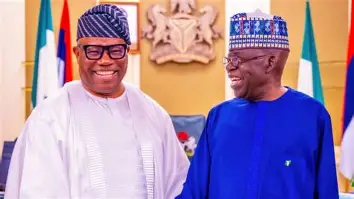
EFCC Shadow Over Akpabio: Tinubu’s Alleged Leash on Senate President Exposed
ABUJA, Nigeria — A widely circulated video and accompanying statement on X (formerly Twitter) by user @Dee_9889 has thrust Senate President Godswill Akpabio back into the spotlight, reigniting controversial claims about the leverage allegedly used to ensure his loyalty to President Bola Tinubu’s administration.
In the post, which has garnered significant engagement, the user asserts that Akpabio was installed as Senate President specifically because of multiple unresolved EFCC cases hanging over him.
According to the claim, these cases serve as a constant reminder, compelling him to “fall in line” with executive directives.
The post warns that any deviation could lead to his prosecution and imprisonment.
The attached video appears to be an edited split-screen clip featuring Akpabio and another political figure, with overlays referencing 2027 politics and past eras, amplifying the narrative of compromised leadership.
Godswill Akpabio, a prominent APC figure and former Governor of Akwa Ibom State, has faced several high-profile corruption allegations over the years.
These include claims of diverting substantial funds during his governorship (2007–2015) and issues related to his tenure as Minister of Niger Delta Affairs.
While investigations by the Economic and Financial Crimes Commission (EFCC) have been reported in the past, no conclusive convictions have been secured, and Akpabio has consistently denied wrongdoing.
His emergence as Senate President in 2023 was itself a subject of intense political maneuvering within the 10th National Assembly.
Critics have long alleged that his position provides a shield, while supporters argue such claims are politically motivated smears aimed at undermining the current leadership.
This latest viral narrative emerges against a backdrop of heightened political activity as Nigeria looks toward the 2027 general elections.
Opposition voices, including supporters of figures like Peter Obi, frequently criticize the ruling APC and National Assembly leadership for alleged executive overreach and lack of independence.
Akpabio has faced other controversies during his tenure, including accusations of high-handedness in Senate proceedings, sexual harassment petitions (which he has denied), and debates over legislative priorities.
However, he has also been praised by some for steering the Senate through complex national issues.
Public reactions to the post reflect Nigeria’s deeply polarized political landscape.
Supporters of the claim see it as evidence of systemic compromise in governance, while defenders dismiss it as unsubstantiated opposition propaganda designed to destabilize institutions.
Many ordinary Nigerians express fatigue with recurring allegations of elite impunity, calling for stronger independent institutions regardless of party lines.
The controversy highlights persistent challenges in Nigeria’s political system: the intersection of anti-corruption efforts with political power plays, the independence (or perceived lack thereof) of the legislature, and the weaponization of investigative agencies.
True or exaggerated, such claims erode public trust in democratic institutions at a time when citizens grapple with economic hardships and demand accountable leadership.
As the 2027 electoral cycle gains momentum, expect intensified scrutiny of key figures like Senate President Akpabio. Whether these allegations prompt formal investigations, legislative reforms, or simply fade as political noise will say much about the health of Nigeria’s governance structures.
For now, the viral post serves as a reminder of the deep skepticism many Nigerians hold toward their leaders—and the urgent need for transparency and institutional integrity if public confidence is to be restored.
 politics
 Adebayo Challenges Tinubu: Where Is Subsidy Money? Come Out and Account for It
 politics
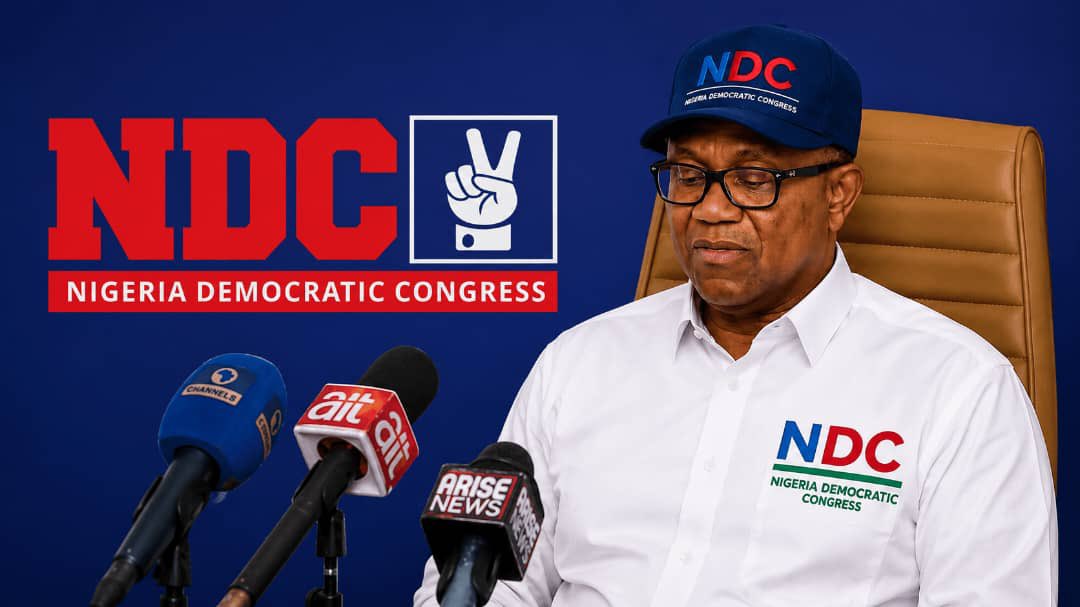
 NDC Wins Logo Battle as Abuja Court Orders INEC to Use Modified Design
 news
news Atiku Exposes Tinubu’s FAAC Scam: Bigger Naira, Poorer Nigerians
 news
news Police Arrest Hafsat Abubakar Over Fake Fintech Shutdown Document Circulated Online
 politics
 Sowore Declares Peter Obi Yelwata Blockade Government-Sponsored Political Attack
How do you feel about this news?
Community Additions
Have a news tip, correction, or extra context about this story? Post it below instantly. All submissions appear live on this screen immediately.