Nigeria's FDI Rebounds: $923 Million Signals Second Year of Growth Under Tinubu
July 3, 2026 - In the bustling corridors of international conferences and the data rooms of Nigeria’s National Bureau of Statistics (NBS), a narrative of cautious optimism is emerging around foreign direct investment (FDI) in Africa’s most populous nation.
According to detailed figures shared by StatiSense, a prominent data insights platform focused on African statistics, Nigeria has recorded two consecutive years of FDI growth under President Bola Tinubu’s administration following a sharp low in 2023.
The numbers tell a story of rebound: After FDI inflows plummeted to a low of $377.38 million in 2023, they surged 78.75% to $674.71 million in 2024 and climbed another 36.80% to $923.01 million in 2025.
This marks a notable departure from the volatility and declines seen in prior years, including steep drops during the Buhari era (e.g., -32.16% in 2021 and -33.02% in 2022).
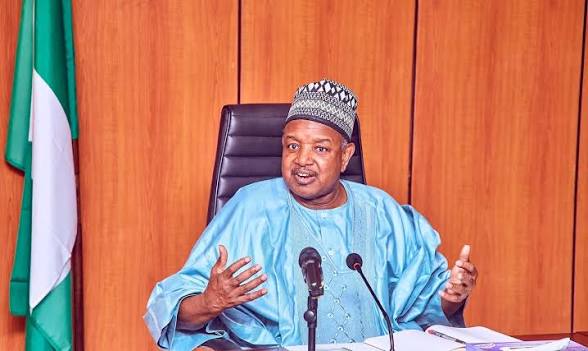
Minister of Budget and Economic Planning, Senator Abubakar Bagudu, has been vocal in championing these gains.
Speaking at the Third Hamburg Sustainability Conference in Germany on July 2, 2026, Bagudu declared that President Tinubu’s bold economic reforms have positioned Nigeria as “Africa’s most attractive investment destination.”
He highlighted improvements in macroeconomic stability, restored investor confidence, and new opportunities in infrastructure, energy, agriculture, manufacturing, digital innovation, and climate-resilient development.
Bagudu’s remarks came alongside tangible diplomatic moves: meetings with the German-African Business Association and ODDO BHF on green investments, carbon credits, and sustainable forestry, plus the signing of a Memorandum of Understanding with the H2Global Foundation to develop Nigeria’s green hydrogen potential.
European partners reportedly praised the policy shifts for enhancing Nigeria’s investment outlook.
These align with broader Tinubu administration efforts since 2023, including fuel subsidy removal, foreign exchange liberalization, and incentives aimed at attracting long-term capital.
Proponents argue these “painful but necessary” measures are laying foundations for sustainable growth, with early GDP improvements (around 3.84% in 2024) and stabilized reserves cited as evidence.
Nigeria’s FDI journey has long been marked by boom-and-bust cycles tied to oil prices, policy shifts, security concerns, and global events.
Peak inflows in earlier decades (often $5-7 billion annually in the late 2000s to early 2010s) dwarfed recent figures, driven heavily by oil and gas.
The post-2015 decline reflected lower commodity prices, economic headwinds, and investments by multinationals.
The StatiSense data, attributed to NBS (2025), focuses on specific FDI inflows and shows a clear post-2023 uptick.
However, broader sources paint a more mixed picture. UNCTAD and other trackers report varying annual figures (e.g., around $1.08 billion in some 2024 estimates), with quarterly data sometimes highlighting dominance of short-term portfolio investments (FPI) over sticky, job-creating FDI.
In Q1 2025, for instance, FDI remained a small share of total capital inflows.
Challenges persist: insecurity in parts of the country, infrastructure gaps, regulatory hurdles, high inflation (still elevated into 2026), and naira volatility continue to test investor appetite. Critics, including opposition voices like Peter Obi, point to unfulfilled $50 billion+ investment pledges and question the depth of “real” FDI versus hot money.
Independent rankings occasionally place Nigeria mid-tier in Africa for ease of doing business and appeal.
This two-year growth streak is undeniably positive amid a tough global environment and domestic reforms.
It signals potential momentum in diversification beyond oil—toward renewables like green hydrogen, agriculture, and tech—especially as Nigeria courts partners in Europe and beyond.
Success in translating inflows into factories, jobs, and inclusive growth could bolster the “Renewed Hope” agenda and enhance economic resilience.
Yet, as veteran observers note, FDI alone doesn’t equate to widespread prosperity.
Nigerians continue to grapple with high living costs, and the true test lies in sustaining this trajectory, addressing structural bottlenecks, and ensuring investments deliver tangible benefits in employment, technology transfer, and poverty reduction.
As Minister Bagudu engages globally, the data from StatiSense offers a data-driven lens: recovery is underway, but the journey toward becoming Africa’s undisputed investment powerhouse demands continued bold execution, transparency, and citizen-focused outcomes.
Nigeria’s vast market, youthful population, and resource base remain compelling—now it’s about turning potential into enduring progress.
 politics
 Adebayo Challenges Tinubu: Where Is Subsidy Money? Come Out and Account for It
 politics
 NDC Wins Logo Battle as Abuja Court Orders INEC to Use Modified Design
 news
news Atiku Exposes Tinubu’s FAAC Scam: Bigger Naira, Poorer Nigerians
 news
news Police Arrest Hafsat Abubakar Over Fake Fintech Shutdown Document Circulated Online
 politics
 Sowore Declares Peter Obi Yelwata Blockade Government-Sponsored Political Attack
How do you feel about this news?
Community Additions
Have a news tip, correction, or extra context about this story? Post it below instantly. All submissions appear live on this screen immediately.