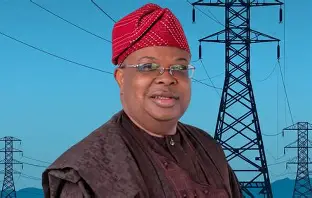
Electricity Will Improve" — Tegbe's Big Assurance for Nigerians in 2026
Abuja, Nigeria—July 2, 2026—In a fresh wave of optimism for millions of electricity-starved Nigerians, the Minister of Power, Joseph Olasunkanmi Tegbe, has assured citizens that electricity supply will see significant improvement before the end of 2026.
Speaking today, the minister highlighted simultaneous efforts by the Federal Government to rehabilitate the beleaguered national grid, positioning this as a key pillar in addressing the country’s chronic energy deficit.
The announcement comes against the backdrop of Nigeria’s long-standing power crisis, where unreliable supply has hampered economic growth, disrupted daily life, businesses, healthcare, and education for decades.
Many households and industries continue to rely heavily on costly diesel and petrol generators, contributing to environmental pollution and inflated operational expenses.
Context and Minister’s Track Record of Pledges
Minister Tegbe, who assumed office earlier in June 2026 following his swearing-in by President Bola Ahmed Tinubu, has been vocal about incremental progress.
Shortly after confirmation, he reported feedback indicating improvements in power supply over recent weeks, attributing gains to presidential support, stakeholder engagements with agencies like the Transmission Company of Nigeria (TCN), and ongoing reforms.
He has consistently tempered expectations, stating he is not promising “24/7” magic-wand solutions but “visible improvements.”
Earlier commitments included stabilizing the grid within his first 100 days and broader reforms to boost generation, transmission, and distribution.
Initiatives mentioned in recent briefings include the installation of transformers adding thousands of MVA capacity, grid digitalization projects, and ambitions for massive long-term expansion to 277 gigawatts by 2060, leveraging renewables and Nigeria’s vast gas reserves.
Today’s assurance specifically ties improved supply to active rehabilitation works on the national grid, which has suffered multiple collapses even in 2026, underscoring the urgency of infrastructure upgrades.
Challenges, Skepticism, and Public Sentiment
While the minister’s words offer hope, they echo familiar refrains that have tested Nigerian patience over successive administrations.
Social media reactions to the announcement reflect a mix of cautious optimism, fatigue, and outright cynicism. Many users recall past unfulfilled promises, with comments like “Action speaks louder than words” and references to politicians’ track records surfacing prominently.
Nigeria’s power sector faces deep-rooted issues: inadequate generation capacity (often struggling below 6,000 MW despite higher potential), transmission bottlenecks, distribution inefficiencies, gas supply constraints, and vandalism.
Recent grid collapses earlier in the year highlighted vulnerabilities, even as some projects like the revival of plants (e.g., Alaoji) and transformer installations show pockets of advancement.
Economic implications are profound. Reliable power could unlock manufacturing growth, attract foreign investment, reduce generator imports, and ease the burden on small businesses and families.
Conversely, continued shortfalls risk exacerbating inflation, unemployment, and migration pressures.
Broader Reforms and the Road Ahead
Tegbe’s ministry is engaging multiple stakeholders for coordinated action, emphasizing accountability, commercial viability, and private sector involvement. Over $2 billion in fresh investments has reportedly been attracted, with market revenues showing growth.
As rehabilitation progresses, key questions remain: Will specific metrics—such as reduced outage hours, increased megawatts, or fewer collapses—be transparently reported?
How will gains reach underserved rural areas versus urban centers? And can political will sustain these efforts beyond election cycles?
For now, Nigerians are watching closely. The minister’s latest pledge arrives at a critical juncture, blending renewed government focus with the hard realities of execution.
Whether 2026 marks a genuine turning point in Nigeria’s energy story—or another chapter of deferred hopes—will depend on tangible results on the ground, not just assurances from the podium.
 politics
 Adebayo Challenges Tinubu: Where Is Subsidy Money? Come Out and Account for It
 politics
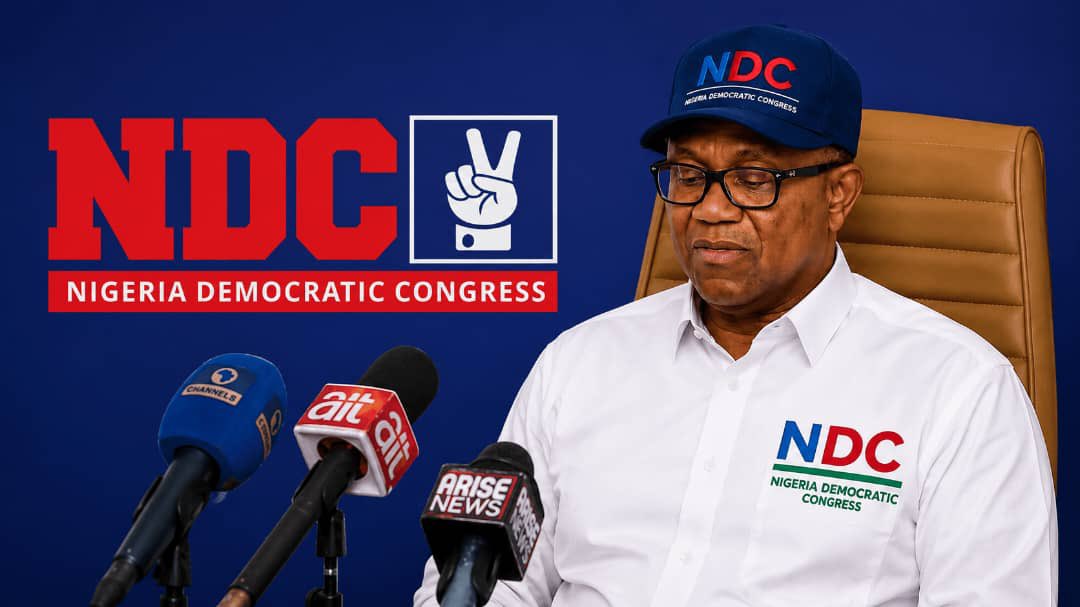
 NDC Wins Logo Battle as Abuja Court Orders INEC to Use Modified Design
 news
news Atiku Exposes Tinubu’s FAAC Scam: Bigger Naira, Poorer Nigerians
 news
news Police Arrest Hafsat Abubakar Over Fake Fintech Shutdown Document Circulated Online
 politics
 Sowore Declares Peter Obi Yelwata Blockade Government-Sponsored Political Attack
How do you feel about this news?
Community Additions
Have a news tip, correction, or extra context about this story? Post it below instantly. All submissions appear live on this screen immediately.