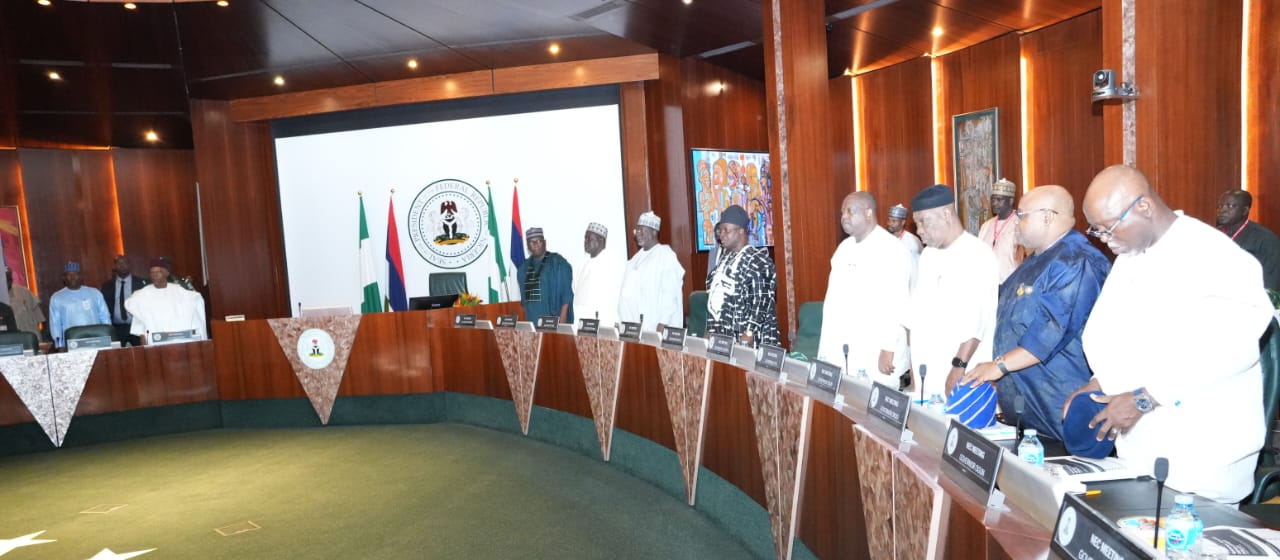
FEC Approves ₦286 Billion Maritime Overhaul
Abuja, Nigeria – June 30, 2026 – In a decisive push to modernize Nigeria’s maritime sector and unlock the vast potential of its blue economy, the Federal Executive Council (FEC), chaired by President Bola Ahmed Tinubu, has approved four strategic projects totaling approximately ₦286 billion.
The move signals a renewed commitment to safer ports, cleaner waters, and enhanced navigational efficiency in a country whose coastline and inland waterways are critical lifelines for trade, energy, and livelihoods.
Announced on Monday by Minister of Environment Balarabe Abbas Lawal, who stood in for Minister of Marine and Blue Economy Adegboyega Oyetola, the approvals reflect a holistic approach to addressing long-standing challenges in Nigeria’s maritime domain: plastic pollution choking waterways, aging infrastructure hindering vessel traffic, fire risks at oil terminals and ports, and silted channels restricting access.
The package includes targeted acquisitions and infrastructure work designed for immediate operational impact and long-term sustainability:
-Two Marine Pollution Control Vessels (~₦59.05 billion): These specialized ships will tackle plastic waste and other marine debris across territorial waters, creeks, and inland waterways.
Beyond cleanup, they aim to bolster environmental protection and navigational safety in pollution-prone areas.
-
Six Pilot Cutter Boats (~₦80.03 billion): Essential for safe pilot transfers and channel navigation, these vessels will improve coordination between ships and the Nigerian Ports Authority (NPA), reducing delays and enhancing port throughput.
-
Two Firefighting Boats (~₦34.06 billion, approx. $16 million): Equipped for rapid response to ship fires, oil terminal incidents, and waterfront emergencies, these assets will strengthen safety protocols at critical facilities.
-
Capital and Maintenance Dredging of the Escravos Channel (₦112.85 billion): Delivered via a joint venture between the NPA and private partners, this project will deepen and maintain the vital channel, removing silt, improving access for larger vessels, supporting pollution surveillance, and upgrading navigational aids.
Together, these initiatives are expected to enhance port competitiveness, create jobs in construction and operations, attract investment, and position Nigeria as a more reliable hub in the Gulf of Guinea.
Nigeria’s blue economy—encompassing shipping, fisheries, tourism, offshore energy, and aquaculture—has long been undervalued relative to its potential.
The establishment of the dedicated Ministry of Marine and Blue Economy in 2023 under President Tinubu’s administration marked a policy shift, with ongoing efforts like the Deep Blue Project already credited with curbing piracy and boosting investor confidence.
These latest approvals come amid a flurry of FEC infrastructure decisions, including trillions in road projects, underscoring a focus on connectivity across transport modes.
For the maritime sector, the investments address practical bottlenecks: congested or shallow channels limit trade volumes, while pollution and safety gaps deter international partners.
Successful execution could yield dividends in revenue (Nigerian ports already generate significant income), job creation, and environmental resilience.
Yet, as veteran observers note, approvals are one thing—delivery is another. Nigerians have grown weary of grand announcements followed by delays, cost overruns, or abandoned projects.
Transparency in procurement, timely execution, value-for-money audits, and public-private partnership oversight will be crucial.
Critics in public discourse have already questioned whether funds will reach intended outcomes or face diversion, a perennial concern in large-scale Nigerian infrastructure.
For coastal communities in the Niger Delta and beyond, these projects carry tangible promise: cleaner waters for fishing, safer navigation for traders, and emergency readiness against the oil-related incidents that have scarred the region.
Businesses reliant on imports and exports stand to gain from reduced turnaround times and fewer disruptions.
On a national scale, stronger maritime infrastructure supports broader economic goals—diversification beyond oil, food security through aquaculture, and regional trade leadership.
Minister Lawal framed the approvals as key to modernizing ports and fostering blue economy growth. If realized with efficiency, they could serve as a model for future investments in this strategic sector.
As Nigeria navigates economic reforms and global headwinds, today’s announcement offers a measured dose of optimism.
The real test, as always, lies in turning paper approvals into functional assets that deliver for citizens, the environment, and the economy.
Watchful eyes across the maritime community—and the wider public—will be monitoring progress closely.
 politics
 Adebayo Challenges Tinubu: Where Is Subsidy Money? Come Out and Account for It
 politics
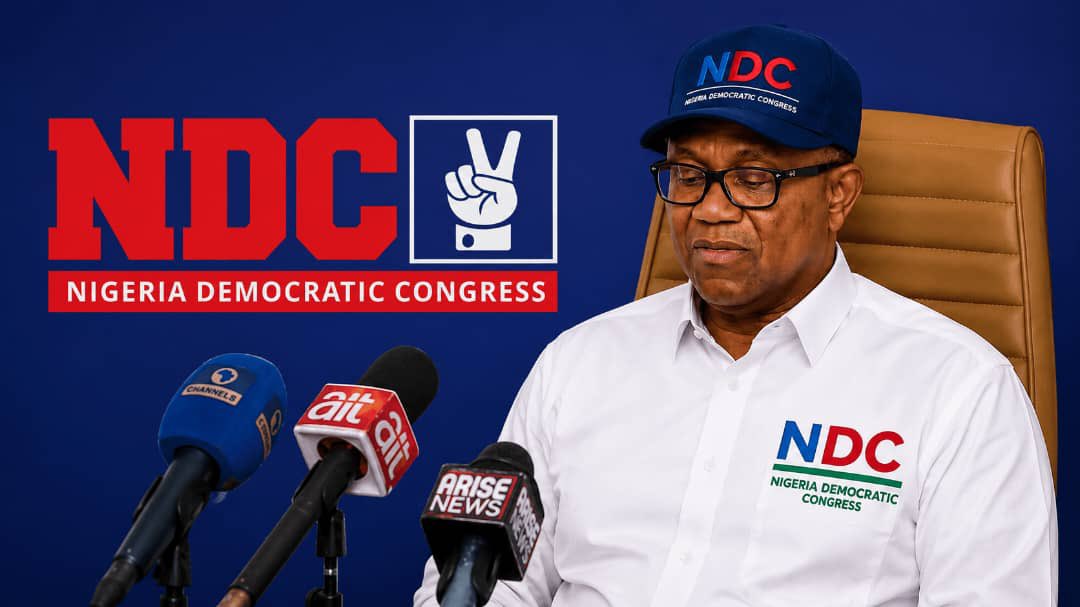
 NDC Wins Logo Battle as Abuja Court Orders INEC to Use Modified Design
 news
news Atiku Exposes Tinubu’s FAAC Scam: Bigger Naira, Poorer Nigerians
 news
news Police Arrest Hafsat Abubakar Over Fake Fintech Shutdown Document Circulated Online
 politics
 Sowore Declares Peter Obi Yelwata Blockade Government-Sponsored Political Attack
How do you feel about this news?
Community Additions
Have a news tip, correction, or extra context about this story? Post it below instantly. All submissions appear live on this screen immediately.